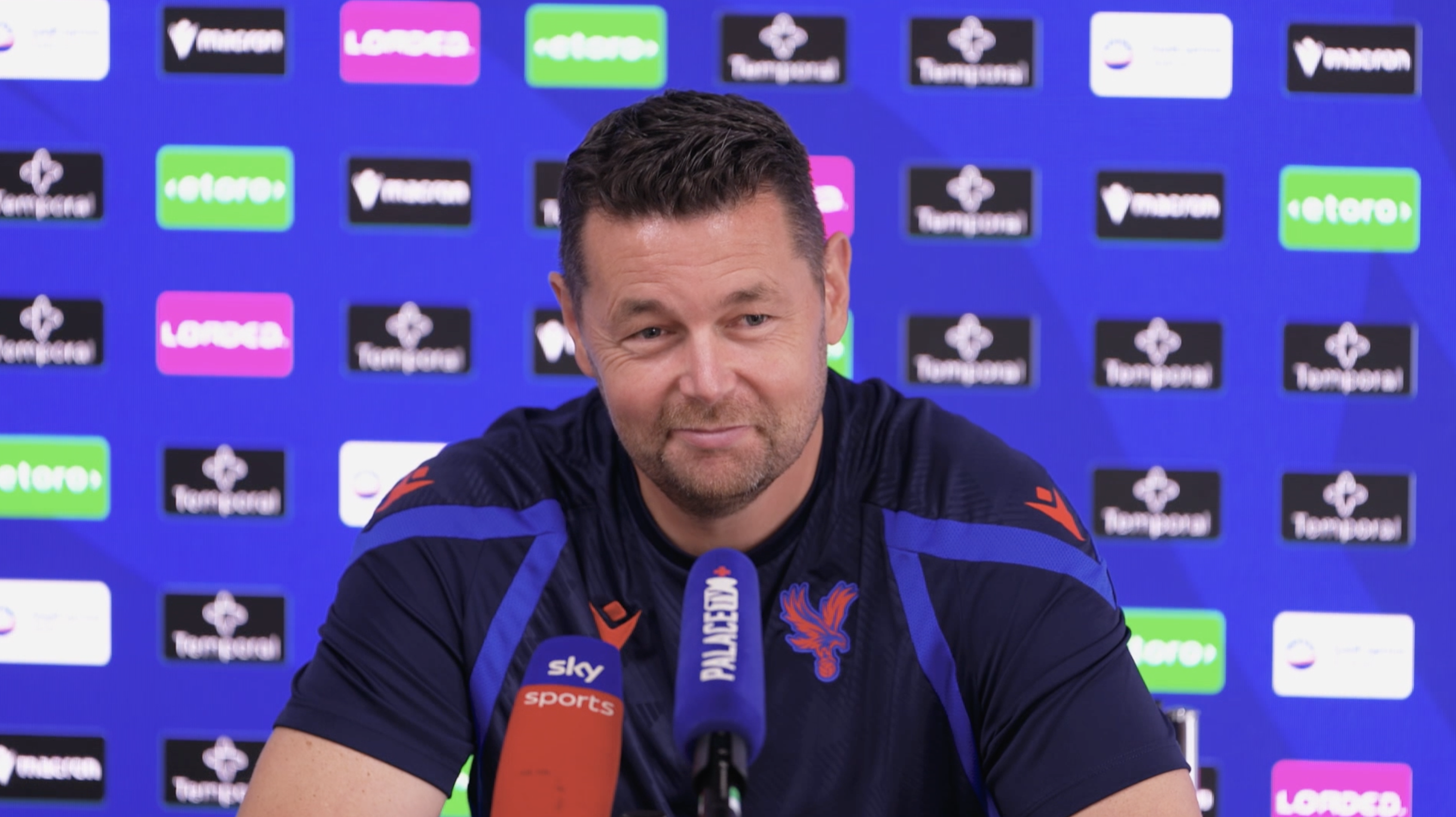
Xabi Alonso refused to blame the referee after Chelsea's controversial 1-0 defeat at Sunderland — and instead pointed the finger squarely at his own players.
Enzo Le Fée's 36th-minute penalty settled a tight, bad-tempered game at the Stadium of Light on Sunday, but it was the decision to award it — and the one that went against Cole Palmer minutes earlier — that dominated the fallout. Alonso, though, would not hide behind either call.
"I haven't seen it back. Nothing to comment on the referee. It is something that is our fault. We could have done better," the Chelsea manager told the BBC after the game. It was a strikingly honest assessment from a manager whose side had just been beaten by the team that started the day bottom of the Premier League — and it set the tone for everything he said afterwards.
The penalty that decided it
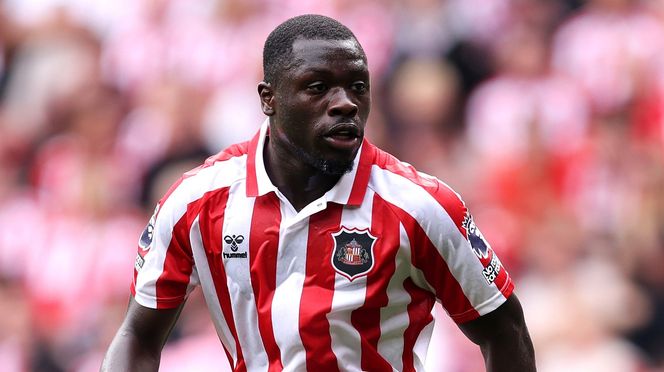
The game's decisive moment came when Brian Brobbey, Sunderland's powerhouse striker, burst into the Chelsea penalty area with Levi Colwill in close attendance. The two grappled — Brobbey grabbed Colwill by the collar before clipping his own ankles and hitting the deck — and referee Jarred Gillett pointed to the spot immediately.
VAR reviewed the incident and opted against sending Gillett to the pitchside monitor, confirming the on-field decision. Colwill was booked, and Le Fée — who had already missed a penalty at the Stadium of Light this season — sent Mike Penders the wrong way to score what proved to be the winner. It was only the second goal Sunderland have scored on home soil in the Premier League this season.
Colwill, who had been battered by Brobbey's physicality all afternoon, was hooked at half-time. Brobbey, booked himself for pushing over Roméo Lavia, left to a standing ovation when he was substituted, having been the major difference between the sides. Read our full-time report for how the rest of the game unfolded.
"It's our mistake"
Speaking to Sky Sports after the match, Alonso was asked directly about both penalty incidents — and his answers were consistent. On Palmer's denied shout, he said: "I haven't seen Cole's actions, but there could be a chance that it could be given." On the Sunderland penalty, he was blunter still: "The other one, I think it's an action where he can defend better. It's our mistake."
He returned to the theme when pressed on Brobbey's impact. "He is stoppable but only when you defend better than we did," Alonso said. "I'm not happy with how we defended that [the penalty] situation. It is not good from us."
The manager was also seen in animated discussion with fourth official John Busby during the game, remonstrating that Colwill had been fouled before his challenge on Brobbey. But by full time, his message had settled: Chelsea did not do enough to win, whatever the officials did or did not do.
Palmer's denied penalty
The flashpoint that will anger Chelsea supporters most came in the 24th minute, when Palmer burst through on goal and went down under challenges from Luke O'Nien and substitute Jules Ahoka right on the edge of the penalty area. VAR checked the incident and ruled there had been no foul at all — regardless of whether the contact was inside or outside the box.
It was a strange call on two counts: replays suggested there was clear contact on Palmer, and the same VAR process then stood by a far softer penalty at the other end twelve minutes later. Alonso, to his credit, did not lean on the inconsistency. "We did not deserve more than one point," he said. "We didn't produce enough to deserve to win. We missed patience and quality and creativity in the last third."
The numbers backed him up. football.london noted that none of Chelsea's midfield attack won a duel or a tackle in the opening 20 minutes, and Sky Sports' analysis described Alonso's side as second-best throughout. Sunderland, for all their struggles this season, wanted it more.
Penders: "It wasn't a penalty"
Not everyone in the Chelsea camp was as forgiving as the manager. Goalkeeper Mike Penders, starting in place of the injured Emiliano Martínez, was blunt about the decision that beat him.
"For me it wasn't a penalty. I think Levi barely touched him, I think it was the other way round. He grabbed him. I didn't agree with the decision," Penders told Sky Sports. "We can't change it but I don't think it was one."
Penders could do nothing about Le Fée's spot kick, and little else troubled him all afternoon — which was part of the problem. Chelsea's best response was a single Pedro Neto effort, and Alonso's side never looked like finding an equaliser despite pushing until the end.
Sunderland's afternoon had started badly, with Granit Xhaka forced off with a calf injury after just three minutes. But Régis Le Bris's side regrouped, and the win lifts the Black Cats off the foot of the table while easing the pressure on their under-fire manager.
So what now for Chelsea?
Chelsea now head into the international break with serious questions to answer. This was not a smash-and-grab — Sunderland were the better side for long spells, and Alonso's own verdict was that his team lacked "speed on the ball, a bit of patience playing against a low block" and "didn't create enough chances".
"We were missing a bit of speed on the ball, a bit of patience playing against a low block," he said. "We didn't create enough chances, we didn't have enough patience or creativity to create chances. That's why we were not close to scoring. We could have done even better. We didn't do enough to score what would have been the equaliser."
The break gives Alonso two weeks to work on exactly that — but it also gives the noise around his position two weeks to grow. Chelsea have now lost to the side that started the day bottom of the league, and the manager himself has admitted his team did not deserve more than a point.
Beyond the Final Whistle: Alonso deserves credit for refusing the easy excuse — managers who blame officials after defeats like this usually lose the dressing room faster than they lose games. But honesty cuts both ways: if his players cannot create chances against a low block and cannot defend one physical striker, the problem is not VAR, it is the team he is building. The Palmer decision was wrong and the Brobbey one was soft, yet neither explains a performance in which Chelsea's attack won nothing for twenty minutes. Alonso is right to blame his players. The question now is whether he can fix them.
Was Alonso right to blame his players, or did VAR cost Chelsea at Sunderland? Let us know in the comments.