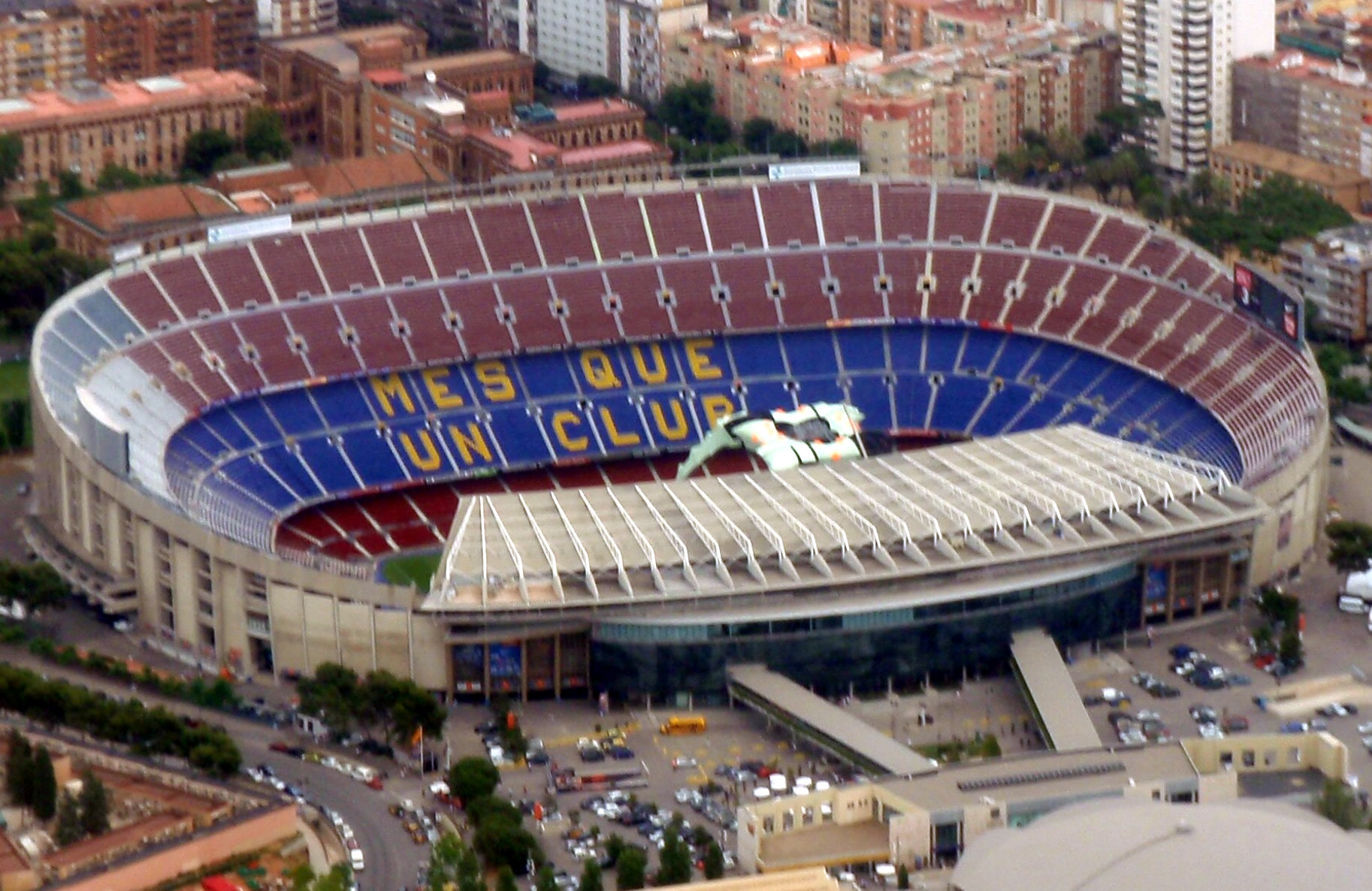
Barcelona's UEFA Women's Champions League league-phase match against Arsenal at Camp Nou has been moved back by one day, from Wednesday, November 11 to Thursday, November 12, because of a planned general strike in Spain — with kick-off, venue and tickets all otherwise unchanged.
It is, on paper, the standout fixture of the league phase: the first meeting between the two clubs since Arsenal stunned Barcelona in the 2025 final. Off the pitch, though, the date has become a problem nobody in football created — and nobody in football could solve on the original day.
Strike forces a one-day delay
UEFA confirmed on Wednesday that the game will now be played on November 12, still at Camp Nou and still kicking off at 18:45 CET (17:45 GMT), according to Reuters. The governing body said the switch was agreed with both clubs and made under the competition regulations, after it was judged that the match could not be staged properly on November 11.
Arsenal confirmed the same details in their own announcement: the venue and kick-off time stay the same, tickets bought for November 11 remain valid for November 12, and supporters who can no longer make the new date can claim a full refund.
The strike itself is a nationwide general strike planned for November 11. Spanish reporting has linked it to the country's housing crisis, along with wider anger over wages and the cost of living. Barcelona had already asked UEFA last week to look again at the scheduling, fearing what a strike day would mean in practice: transport disruption across the city, problems getting staff, officials and supporters to and from the stadium, and doubts over the usual matchday operations — and even the pre-match media and training schedule — that a Camp Nou European night depends on.
For a fixture of this size, staged deliberately at Camp Nou rather than a smaller ground, those are not minor worries. A half-empty stadium because fans cannot travel, or a matchday operation running on skeleton staff, would have undermined the occasion UEFA and both clubs are trying to build.
Why Tuesday was never really an option
Barcelona's first instinct, according to Spanish media reports last week, was to bring the game forward a day to Tuesday, November 10. That idea ran into a simple calendar problem wearing red.
Arsenal are due at Anfield on Sunday, November 8, to face Liverpool in the Women's Super League. Asking the Arsenal side to go from Anfield on Sunday to Camp Nou on Tuesday — with barely a day to recover, travel and prepare — was never a fair or realistic turnaround, and it would probably have forced a reshuffle of the domestic fixture as well.
Pushing the European game back 24 hours instead is the compromise that costs nobody a match. Arsenal get an extra day after Liverpool, Barcelona keep their Camp Nou date, and travelling supporters lose, at most, a day of their plans rather than the trip itself — with a refund on the table for anyone whose plans genuinely cannot move.
A final rematch that needs no extra spice
The delay will not cool the story of the game itself. In Lisbon in 2025, Stina Blackstenius scored the only goal as Arsenal beat Barcelona 1-0 in the final, lifting the club's second European title and stopping Barcelona from winning a third Champions League in a row.
Before that night, this fixture had been brutally one-sided the other way: Barcelona beat Arsenal 4-1 and 4-0 in the group stage in 2021-22. That history is exactly why this league-phase meeting matters. Barcelona will see it as a chance to reassert an order they believe Lisbon interrupted; Arsenal will see it as proof, on Barcelona's own biggest stage, that the final was no accident.
Arsenal's wider European form this season underlines that they travel as contenders, not tourists — the men's side's recent win over Lille is part of a club-wide European push, and the women's team will expect the same standard at Camp Nou. Women's football on this continent keeps producing these heavyweight nights, as the recent draw between the United States and Spain also showed.
So what does the delay change?
Mostly, the logistics — and that is precisely the point of moving early. Supporters with flights and hotels booked for November 11 now have a clear, confirmed alternative date almost a month in advance, instead of a week of rumours. Both squads get a slightly longer build-up after their weekend league games, which, if anything, should improve the quality of the spectacle.
What it does not change is the stakes in the league phase. This is matchday four territory in a format where the top places bring a direct route to the quarter-finals and the middle places mean a play-off. A result at Camp Nou will shape both clubs' European winters, whenever in that week it is played.
There is also a wider lesson UEFA will not mind learning in public: when a major fixture is deliberately moved into a major stadium, it inherits major-city risks — strikes, transport and all. Planning for that, early and openly, is better than discovering it in the final 48 hours.
Beyond the Final Whistle: this is the right call, made at the right time. A one-day move protects the match, the supporters and the occasion — and a final rematch of this quality deserves a full Camp Nou and two properly prepared teams, not a strike-day scramble. The delay changes the diary, not the story: on November 12, Barcelona still owe Arsenal an answer for Lisbon.
Will the extra day help Arsenal more — or will a wounded Barcelona make home advantage count at Camp Nou? Have your say in the comments.