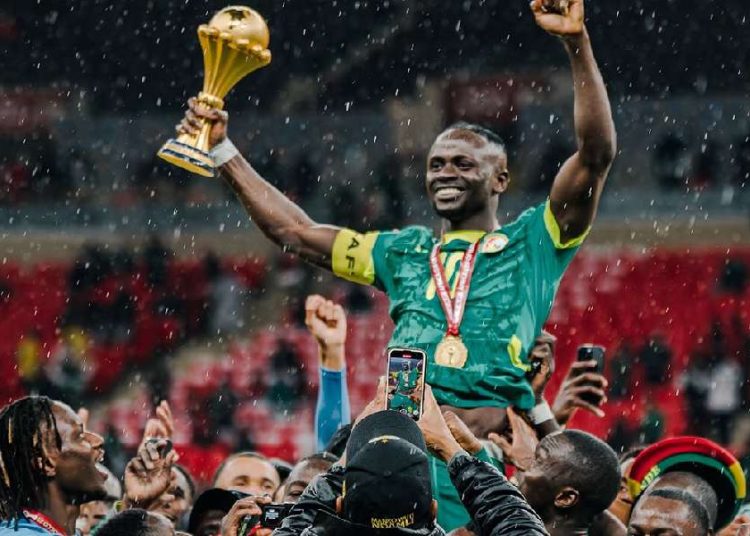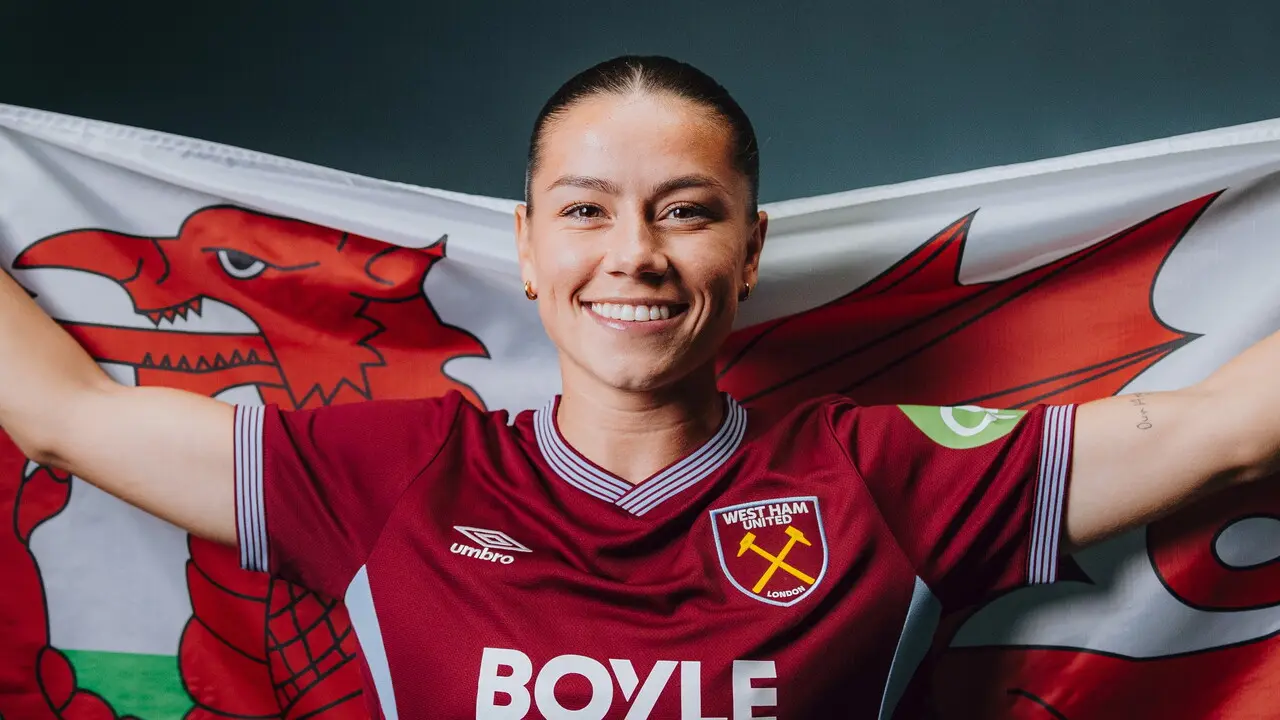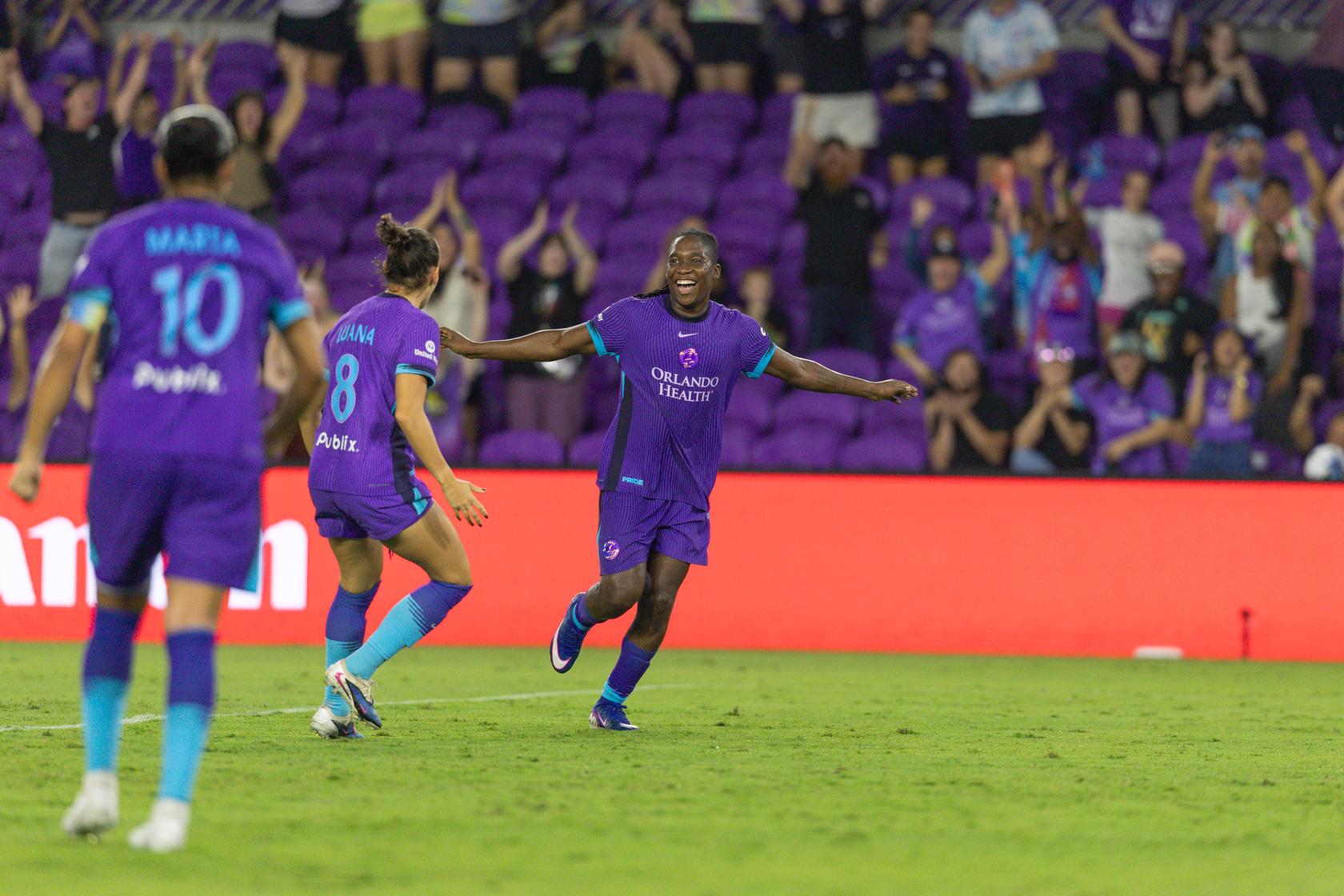
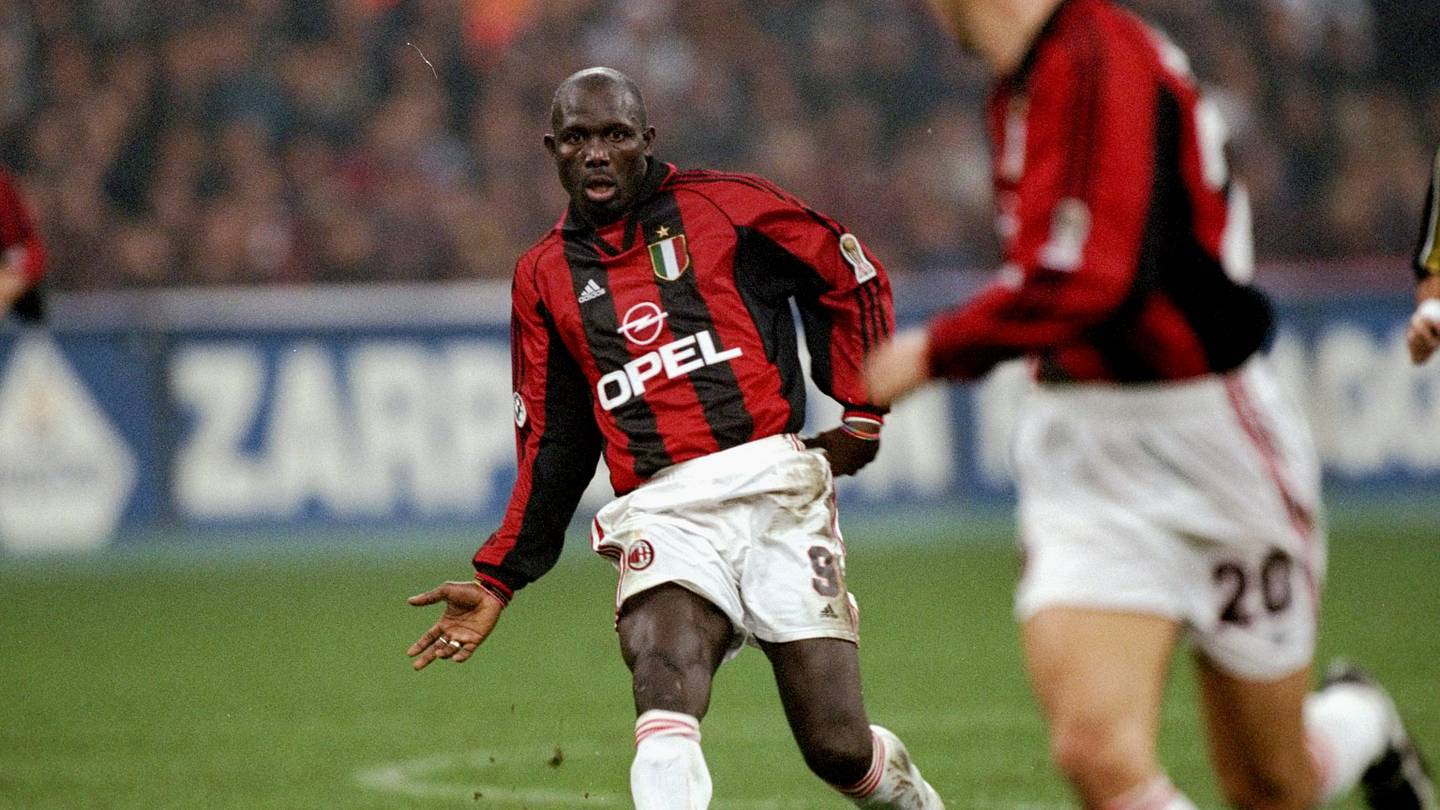
Picking Africa's greatest team is an argument with no safe answers — but some names pick themselves. A Ballon d'Or winner leads the line, the most decorated African footballer in history plays beside him, and the Premier League's greatest African scorer completes a front three no defence on earth would want to face.
Every continent produces legends, but Africa's story is different. Its greatest players did not just star in Europe's top leagues — they changed what those leagues believed an African footballer could be. Thomas N'Kono redefined goalkeeping for a generation of Europeans. George Weah reached a summit no African has reached before or since. Mohamed Salah closed his Premier League chapter as the competition's highest-scoring overseas player of all time. This is Beyond The Final Whistle's best African XI of all time: a 4-3-3 picked on peak, longevity, medals and influence, with every selection argued and the painful omissions explained at the end.
The exercise follows the same rules as our Best Premier League XI of All Time — the most-read page on this site — and draws on our ranking of the greatest African players in Premier League history. Where this list disagrees with other rankings, including Sports Mole's top ten, we will tell you why.
The XI in full
Formation: 4-3-3. Thomas N'Kono (Cameroon); Achraf Hakimi (Morocco), Samuel Kuffour (Ghana), Kolo Touré (Ivory Coast), Celestine Babayaro (Nigeria); Michael Essien (Ghana), Yaya Touré (Ivory Coast), Jay-Jay Okocha (Nigeria); Mohamed Salah (Egypt), George Weah (Liberia, captain), Samuel Eto'o (Cameroon).
Five nations supply the team, three decades of football are represented, and the spine runs from Yaoundé to Cairo to Monrovia. Now the arguments, position by position.
A goalkeeper who taught Europe, and a defence built on medals
Thomas N'Kono is the easiest pick in this team. Cameroon's No. 1 at the 1982 World Cup, where the Indomitable Lions went home unbeaten, and again in 1990, when they beat holders Argentina and reached the quarter-finals, N'Kono spent nine years at Espanyol and twice won African Footballer of the Year — as a goalkeeper, in an era when the award belonged to strikers. His influence travelled further than his medals: a young Gianluigi Buffon watched him at Italia '90 and was so inspired that he later named his son Thomas after him. When the greatest goalkeeper of the modern era models himself on you, your place in this team is not up for debate. Vincent Enyeama, Nigeria's long-time No. 1 and outstanding at the 2010 and 2014 World Cups, is the closest challenger — but N'Kono changed how a continent was seen.
At right-back, Achraf Hakimi is the modern era's irresistible claim. The Morocco captain is the only defender in this XI still playing, and his case no longer needs patience: a Champions League winner with Paris Saint-Germain who scored in the 2025 final, and a full-back so complete that, as ESPN recorded, he scored a hat-trick and made two more goals from right-back in PSG's 5-1 win at Le Havre on 30 October 2026. Defenders are not supposed to decide matches like that. Hakimi does it in the biggest club competition on earth and he does it for Morocco, the first African nation ever to reach a World Cup semi-final, in Qatar in 2022. No African full-back in history has combined his engine, his output and his medals.
The centre-back pairing is built on European Cups and league titles. Samuel Kuffour spent eleven years at Bayern Munich, won six Bundesliga titles and started the 2001 Champions League final victory over Valencia — the rock of the best club side in Europe at the turn of the century, and a defender whose aggression and timing made him a Bayern institution. Beside him, Kolo Touré brings a different kind of reliability: an Invincible with Arsenal in 2003-04, when Arsène Wenger's side went a whole Premier League season unbeaten, a title winner again with Manchester City in 2012, and an Africa Cup of Nations champion with Ivory Coast in 2015. Kalidou Koulibaly, for a decade among the best three centre-backs in world football at Napoli and later a title winner in Saudi Arabia, pushes Kolo hard — but Touré's medals across two English champions and an unbeaten season give him the shirt.
Left-back is the honest problem position, and we will not pretend otherwise. Africa has produced world-class players in almost every role except this one. Celestine Babayaro gets the nod as the most accomplished natural left-back the continent has fielded in Europe's major leagues: an Olympic gold medallist with Nigeria at Atlanta '96, and a Chelsea regular for eight seasons, winning the FA Cup in 2000 and playing Champions League football at Stamford Bridge. Lucas Radebe, Leeds United's captain and a South African icon, and Morocco's Noureddine Naybet, a La Liga champion with Deportivo, are the alternatives readers will argue for — and the argument is legitimate. That is the nature of an all-time XI.
Power, medals and pure magic in midfield
Michael Essien anchors the three. At his Chelsea peak, between 2005 and 2010, there was no more complete defensive midfielder in world football: two Premier League titles, a Champions League medal in 2012, and a physical dominance that earned him the nickname The Bison. Essien's misfortune was injury; his legacy is that for five years he made the strongest league in the world look a weight class below him. Ghana have produced few greater players, and this team needs his steel in front of Kuffour and Touré.
Ahead of him stands the most dominant African midfielder of the Premier League era. Yaya Touré won African Footballer of the Year four years running, from 2011 to 2014 — a record streak — lifted the Champions League with Barcelona in 2009 as part of Pep Guardiola's treble winners, then became the engine of Manchester City's rise, winning three Premier League titles. His 2013-14 season, with 20 league goals from midfield, remains one of the great individual campaigns in English football history, and he closed his international story by captaining Ivory Coast to the AFCON title in 2015. On any list of the greatest Champions League players of all time, the midfield conversation eventually reaches Yaya. In this team, he is untouchable.
The third shirt goes to joy. Jay-Jay Okocha won the Africa Cup of Nations with Nigeria in 1994 and Olympic gold in 1996, became the most expensive African player in the world when Paris Saint-Germain signed him in 1998, and then spent four years at Bolton Wanderers producing skills that English fans still replay today — so good, as the song went, they named him twice. The counter-argument is Abedi Pele: three times African Footballer of the Year and a European Cup winner with Marseille in 1993, the first African to lift that trophy with a French club. It is the closest call in this entire XI. Okocha wins it on influence — he is the player a generation of Nigerian and African children imitated in the street, and an all-time team should carry the continent's imagination as well as its medals.
A front three from three different footballing worlds
On the right, Mohamed Salah. His Premier League record is now closed and it is staggering: 193 goals — 191 for Liverpool and two for Chelsea — making him the highest-scoring African and the highest-scoring overseas player in the competition's history. Add a Champions League title and two Premier League titles with Liverpool, and the Egyptian, now a Trabzonspor player after leaving Anfield on a free transfer in the summer of 2026, has the strongest statistical case of any African forward who has played in England. OneFootball ranked him the greatest African player of all time outright; in this team he does not need the crown, because the two men beside him hold claims of their own.
Through the middle, the captain: George Weah. In 1995 the Liberian won the Ballon d'Or and was named FIFA World Player of the Year — the first and, to this day, only African to win either award. At AC Milan he won two Serie A titles and scored goals that remain in the competition's folk memory, including his length-of-the-pitch solo run against Verona in 1996. Weah did all of it while carrying a country that was tearing itself apart in civil war, funding the national team from his own pocket; he later became his country's president. There are greater trophy cabinets in this team. There is no greater figure.
On the left, the most decorated African footballer of all time. Samuel Eto'o won the Champions League three times — with Barcelona in 2006 and 2009, scoring in both finals, and with Inter in 2010, completing back-to-back trebles with two different clubs, a feat no other player has matched. He scored 130 goals for Barcelona, won two Africa Cup of Nations titles and an Olympic gold medal with Cameroon, and his 18 goals make him the top scorer in AFCON history. Four times African Player of the Year, Eto'o was the definitive big-game striker of his generation: when a final needed deciding, from Paris in 2006 to Rome in 2009 to Madrid in 2010, he was there. In a 4-3-3 he drifts in from the left exactly as he did in Guardiola's Barcelona. Defences knew it was coming. It never mattered.
The omissions that hurt — starting with Drogba
Every all-time XI is defined by who it leaves out, and this one's hardest call is Didier Drogba. The Ivorian scored 10 goals in 10 finals for Chelsea, won four Premier League titles and decided the 2012 Champions League final almost single-handedly. He misses out only because a front three cannot hold four men, and Weah and Eto'o — a Ballon d'Or winner and the continent's most decorated player — cannot be dropped, while Salah's numbers cannot be argued with. Drogba is the first name on the bench and the pick most likely to flood our comments. Sadio Mané, a Champions League and Premier League winner with Liverpool and the man who led Senegal to their first AFCON title in 2022, is next in the queue. Roger Milla, whose goals at 38 carried Cameroon to the 1990 World Cup quarter-finals and changed how the world saw African football, Nwankwo Kanu, an Invincible and Olympic champion of rare elegance, and Riyad Mahrez, Leicester City's title miracle and a treble winner with Manchester City, complete a bench most continents would envy.
What this team tells us about where African football is going
Look at the dates. The spine of this side peaked between 1995 and 2015 — yet the two youngest members, Hakimi and Salah, are not relics of a golden age but its continuation. Hakimi is 28 and, on current form, still adding to his case every month; behind him, a new wave led by Victor Osimhen and Ademola Lookman is pressing claims that could redraw this XI within a decade. That is the real story of African football in 2026: the pipeline that once sent one genius a generation to Europe now sends a teamful every season, and the argument over this XI will be harder, not easier, in ten years' time.
Beyond the Final Whistle: this XI is not really a debate about the past — it is a measure of how far the African game has come. A continent that produced the only Ballon d'Or winner in this team, the most decorated player in this team and the Premier League's greatest overseas scorer in this team was never short of talent; it was short of believers. N'Kono, Weah, Eto'o, the Touré brothers' generation and now Hakimi and Salah have made belief unavoidable. The next African Ballon d'Or winner is not a fantasy — on the evidence of the last thirty years, it is an appointment waiting to be kept.
So, over to you: is Drogba the biggest injustice in this team, does Abedi Pele walk into your midfield, and who is the first name on your teamsheet? Give us your African XI in the comments.