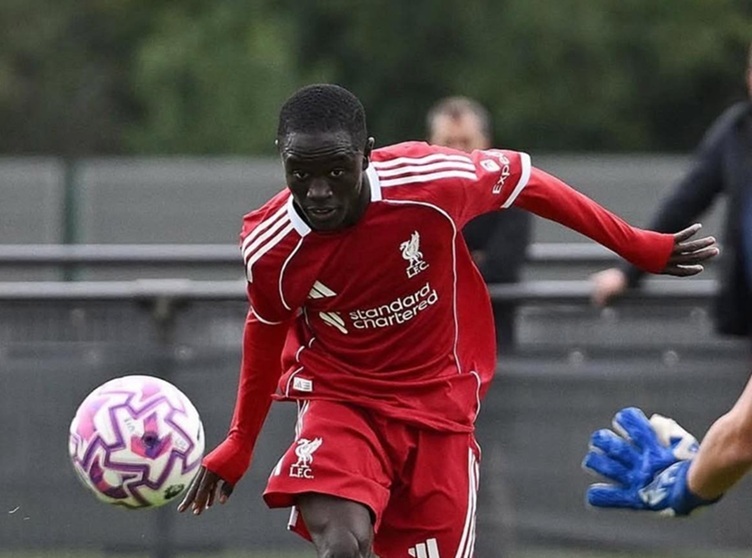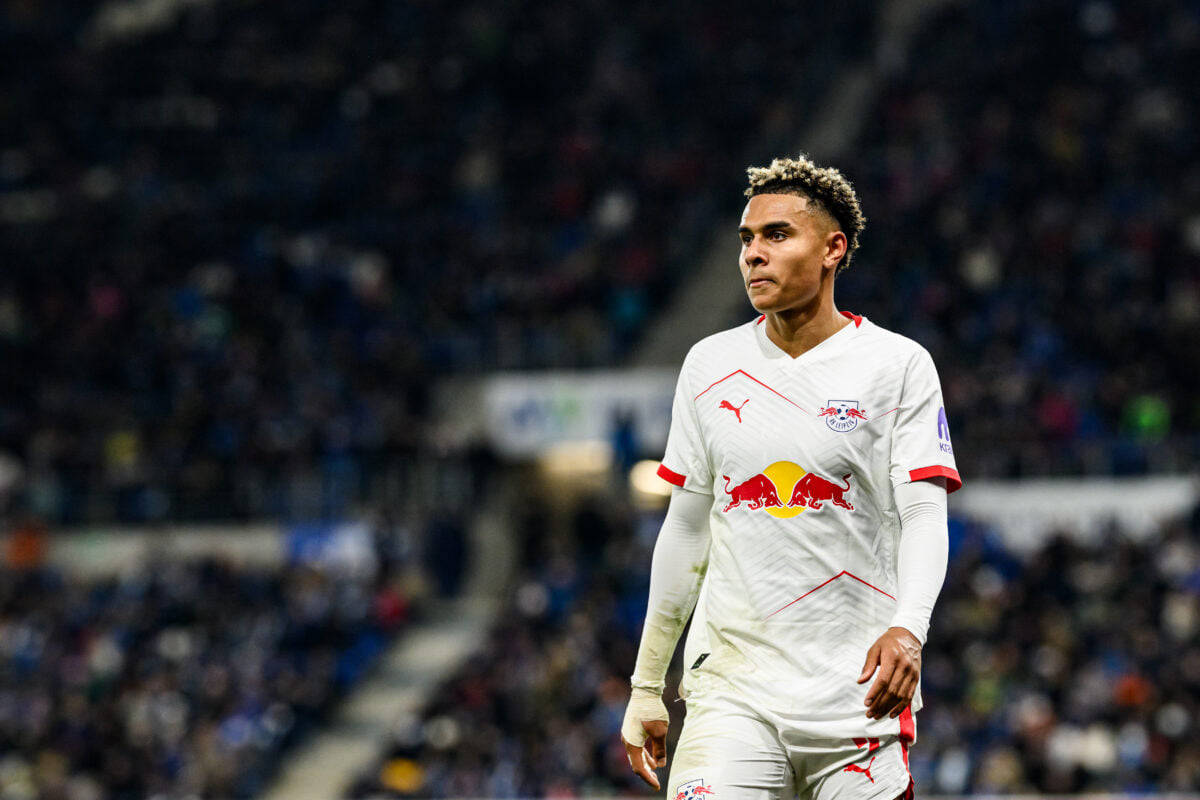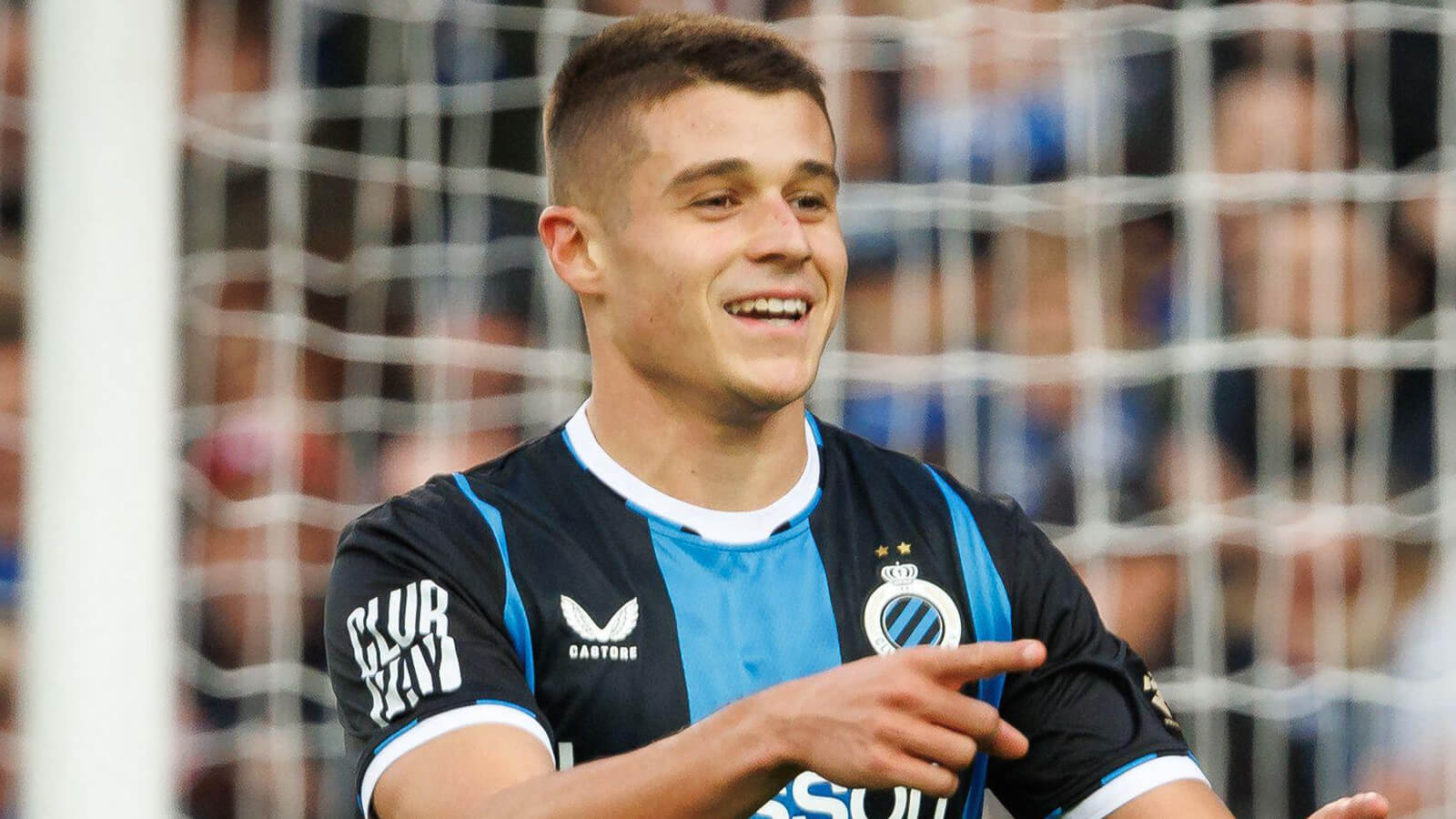

Three numbers tell the story of the summer of 2026 in Germany. Bundesliga clubs spent €783.8 million on new players. They brought back €834.4 million in sales. And the league finished the window €50.6 million in profit — the only one of Europe's top three spending leagues to end the summer in the black, in a window headlined by Yan Diomandé's €125 million move from RB Leipzig to Real Madrid, the biggest sale in Bundesliga history and the most expensive transfer ever involving an African player.
This is the complete final account of that window: every one of the 18 clubs ranked by net spend, the biggest deals, the smartest sellers, and what the money means now that the season it was spent on is under way. The club-by-club figures below are drawn from Transfermarkt's record of the summer 2026 Bundesliga window, which totals €783.80 million spent and €834.42 million recouped across 300 arrivals and 296 departures. They cross-check against Football Benchmark's Big Five analysis, which also had the Bundesliga ending the window in surplus, at €38 million on its methodology, while Sky Sports' Opta-based count put German gross spending lower, at £507.6 million. The gaps between providers are methodology, not mystery: loan fees and loans made permanent are counted differently by everyone, and every figure in this article is on the reported-fee basis.
The full table: all 18 clubs ranked by net spend
Gross spending makes headlines, but net spend — what a club spent minus what it brought in — is the table that explains the window. On reported fees, Borussia Dortmund, not Bayern Munich, finished as Germany's biggest net spenders, while eight clubs, led by RB Leipzig's extraordinary €116.25 million surplus, ended the summer in profit.
| Club | Spent | Sold | Net spend |
|---|---|---|---|
| Borussia Dortmund | €108.5m | €38.5m | +€70m |
| Bayern Munich | €106.95m | €51.96m | +€54.99m |
| Bayer Leverkusen | €157m | €119.85m | +€37.15m |
| Hamburger SV | €31.1m | €10.3m | +€20.8m |
| VfB Stuttgart | €55m | €38.4m | +€16.6m |
| SV Elversberg | €12.1m | €0m | +€12.1m |
| 1. FC Köln | €25.65m | €18m | +€7.65m |
| FC Schalke 04 | €2.65m | €0.2m | +€2.45m |
| SC Paderborn | €8.7m | €6.43m | +€2.27m |
| FC Augsburg | €15.15m | €14.15m | +€1m |
| 1. FSV Mainz 05 | €9m | €11.98m | −€2.98m |
| TSG Hoffenheim | €66.2m | €72.45m | −€6.25m |
| 1. FC Union Berlin | €8m | €18.9m | −€10.9m |
| Borussia Mönchengladbach | €16m | €32.25m | −€16.25m |
| Werder Bremen | €7.3m | €42.5m | −€35.2m |
| SC Freiburg | €46m | €88.55m | −€42.55m |
| Eintracht Frankfurt | €41m | €86.25m | −€45.25m |
| RB Leipzig | €67.5m | €183.75m | −€116.25m |
Read the table from both ends. At the top, 10 of the 18 clubs were net buyers, but the three biggest German clubs did their buying in completely different ways: Dortmund spent without selling, Bayern spent in two huge strokes, and Leverkusen outspent everyone while selling almost as fast as they bought. At the bottom, Leipzig's €183.75 million of income was more than the combined sales of the league's seven smallest sellers, and Freiburg, Frankfurt and Werder Bremen each banked profits above €35 million. Compare the shape of this table with the Premier League's £3.48 billion summer and the difference between the two leagues stops being about money and starts being about philosophy.
Gross spending tells a different story
Rank the same window by money out the door, ignoring sales, and a different club leads it. Bayer Leverkusen were the Bundesliga's biggest gross spenders at €157 million — the only German club above €110 million — rebuilding at speed with Guéla Doué (€30 million from Strasbourg), Afonso Moreira (€29.5 million from Lyon), Moussa Diaby (€28 million, returning from Al-Ittihad), Miguel Gutiérrez (€26 million from Napoli) and Facundo Medina (€23 million from Marseille). Dortmund followed at €108.5 million and Bayern at €106.95 million.
Bayern's gross figure hides the most concentrated window in Germany: €100 million of their €106.95 million went on just two players, Ismael Saibari from PSV and Nathaniel Brown from Frankfurt, at €50 million each. Leverkusen's net figure of €37.15 million, only third in the table, shows the other side of their summer: €119.85 million came back in, including €40 million from Arsenal for Piero Hincapié and €32 million from Juventus for Kerim Alajbegovic. And Leipzig, seventh by gross spending, generated more income than Leverkusen and Bayern's sales combined. It is the same lesson the Serie A table taught: in the modern market, the gross ranking flatters the reckless and the net ranking finds the truth.
The biggest deals of the summer
The Bundesliga's window was defined by sales, not signings: the four biggest fees of the summer all involved players leaving Germany or moving within it, and African players were at the centre of the market. The headline deals, ranked by fee, were:
Yan Diomandé, RB Leipzig to Real Madrid — €125 million. The biggest deal in Bundesliga history on the selling side, the most expensive transfer ever involving an African player, and a one-year development story: Leipzig signed the Ivorian winger in the summer of 2025 and sold him to Madrid twelve months later for a fee Sky Sports recorded at £107.1 million on its own basis. Our La Liga spending breakdown tells the buying side of the same deal.
Johan Manzambi, SC Freiburg to Aston Villa — €60 million. The second-biggest sale of the window came from the league's model development club: Freiburg sold the 20-year-old Swiss midfielder to Villa for a fee that alone covered their entire summer spend one and a half times over.
Ismael Saibari, PSV Eindhoven to Bayern Munich — €50 million. Joint-biggest purchase of the window. The Morocco international arrived after a breakout World Cup — three goals as Morocco reached the quarter-finals — signed a deal until 2031, and marked his Bundesliga debut with two assists in 29 minutes against Stuttgart. An ankle ligament injury suffered in the Klassiker in October has since interrupted his start, but Bayern's biggest bet of the summer was placed on an African star.
Nathaniel Brown, Eintracht Frankfurt to Bayern Munich — €50 million. The other half of Bayern's two-man window, and the biggest fee ever paid between Bundesliga clubs for a defender: the Germany left-back swapped Frankfurt for Munich after a World Cup in which he was one of his country's few bright spots.
Bazoumana Touré, TSG Hoffenheim to Newcastle United — €50 million. Another African headline: the 20-year-old Ivorian winger became Hoffenheim's record sale, more than doubling what the club spent all summer on replacements.
Loïs Openda, RB Leipzig to Juventus — €42.75 million. The Belgian striker's loan was made permanent, the second pillar of Leipzig's record income. Below him came Hincapié's €40 million permanent move from Leverkusen to Arsenal — and the window's strangest deal: Leverkusen signed teenager Kerim Alajbegovic from Salzburg for €8 million at the start of the window and sold him to Juventus for €32 million before it closed, a €24 million profit on a player who never played a competitive minute for them.
The selling league: Leipzig's surplus and the Diomandé model
Every league in Europe's Big Five has a role in the market, and Germany's is now unmistakable: it is the development league, the place where the continent's richest clubs come to buy players other people finished making. Only Ligue 1, with a €730 million surplus on Football Benchmark's count, out-sold the Bundesliga this summer, and the German model is broader: Leipzig's €116.25 million profit was built on two deals, but Frankfurt (€45.25 million profit), Freiburg (€42.55 million) and Werder Bremen (€35.2 million, on just €7.3 million spent) all ran the same play at different scales. Even the promoted clubs told the story from the other end — Schalke, Elversberg and Paderborn spent €23.45 million between them, less than half the price of one Saibari, because the Bundesliga's economics no longer ask its smallest clubs to gamble.
The Diomandé deal is the model in its purest form. Leipzig identified an Ivorian teenager, gave him a season of Bundesliga football, and sold him for €125 million — more than their entire squad cost to assemble in most recent windows. It is brilliant business and an uncomfortable truth at the same time: the Bundesliga developed the most expensive African player in history, and the prime of his career will be spent in Madrid. Whether that is the league's strength or its ceiling is the argument German football keeps having with itself, and this window sharpened it: of the five biggest fees involving Bundesliga clubs this summer, four were sales to England, Spain or Italy.
How the record was built, year by year
This summer was not a one-off; it was the second act of a two-year surge. In the summer of 2025, Bundesliga clubs set a league gross-spending record of around €851 million on Transfermarkt's count, with Leverkusen's €198 million outlay a Bundesliga club record — yet even then, sales outran spending across the league, powered by the Premier League's raids for Florian Wirtz, Hugo Ekitike, Benjamin Šeško and Xavi Simons. In 2026 the gross total eased to €783.8 million, but income climbed to €834.42 million, because the selling machine no longer depends on one superstar a year: this window produced a €125 million sale, a €60 million sale and three more at €50 million.
Football Benchmark's five-window view puts the pattern in its proper frame. Big Five spending peaked at €8.1 billion in 2025 and eased to €7.4 billion in 2026, while the Premier League's net outlay — €1.6 billion this summer, and above €1 billion in all five windows analysed — has no equivalent anywhere else. Germany sits at the opposite pole: close to balance or in surplus, year after year, converting coaching and minutes for young players into the fees that England, Spain and Italy pay. The Bundesliga's total balance has now been positive in back-to-back summers, and its clubs have done it while Bayern reached the sharp end of the Champions League and Dortmund rebuilt an entire attack. The model works. The question is only what it costs in trophies.
What the spending means for the rest of the season
Three consequences follow. The first is at the top: Dortmund's €70 million net spend — Konstantinos Karetsas (€30 million), Giannis Konstantelias (€26 million) and Joey Veerman (€22 million) — is a direct challenge to Bayern, whose €54.99 million net was spent on two players rather than a rebuild. The early evidence, a 2-2 Klassiker draw in October, suggests the gap the money was meant to close is closing. The second is Leverkusen's churn: no club in Germany turned over more value in either direction, and a squad that bought five starters and sold its defensive leader in one window will either gel into the league's most exciting side or spend the season as a work in progress. The third is at the bottom, where Schalke's €2.65 million window — the smallest in the league — and Elversberg's €12.1 million will be tested against a relegation fight in which money, for once, was barely spent by anyone.
January will ask the selling league an awkward question. Leipzig, Freiburg and Frankfurt are sitting on more than €200 million of combined profit, and history says Bundesliga clubs reinvest late and carefully rather than splurge — but a title race this open, and a Champions League race this crowded, may tempt one of them to break the habit. If you want the longer view of what the finished product of this development model looks like, our ranking of the best Premier League XI of all time is full of players the Bundesliga made and England bought.
Beyond the Final Whistle: the Bundesliga banked a €50.6 million profit in the summer of 2026, and it should be read as neither prudence nor surrender — it is a business model working exactly as designed, and its design is the problem. Germany found, developed or polished Diomandé, Manzambi, Touré and Hincapié, then sold all four abroad in a single window for €275 million. A league that reliably produces the players the whole continent wants will never be poor. Whether it can still produce the teams that beat them in May is the only question this money cannot answer.
So, over to you: did the Bundesliga win this window by selling smart — or is every record sale another star the league will spend a decade trying to replace? Let us know in the comments.