African football gets its answer on Tuesday afternoon. The Court of Arbitration for Sport (CAS) will finally rule on whether Senegal keep the Africa Cup of Nations title they won on the pitch in Rabat — or whether Morocco keep the one they were handed in a boardroom two months later.
CAS confirmed on Monday that the parties have been notified its decision will be rendered on Tuesday 24 November in the course of the afternoon (GMT), as reported by Reuters. It brings to a close a dispute that has hung over the continent's biggest trophy for ten months.
The final nobody could forget
The final itself, on 18 January in Rabat, finished Senegal 1-0 Morocco after extra time, Pape Gueye scoring the winner, as detailed by SuperSport. But the scoreline is only half the story. Late in regulation time, with the match still goalless, Morocco were awarded a penalty — and Senegal's players walked off the pitch in protest, several heading for the dressing room, while some supporters attempted to get onto the field.
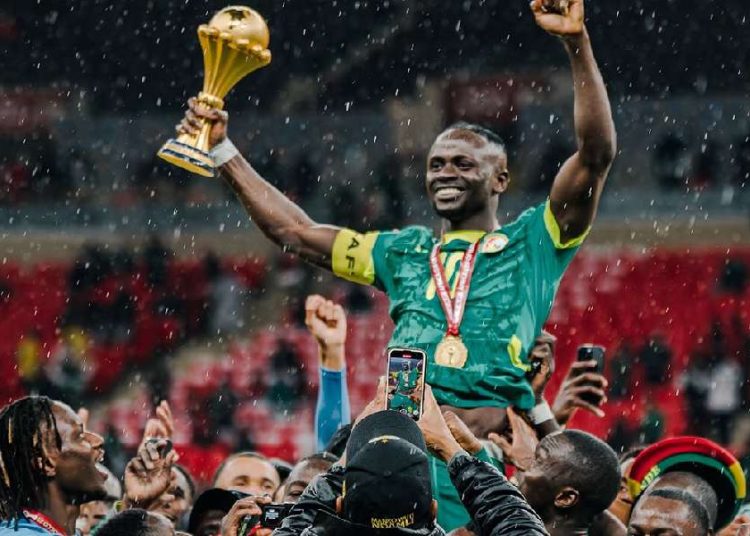
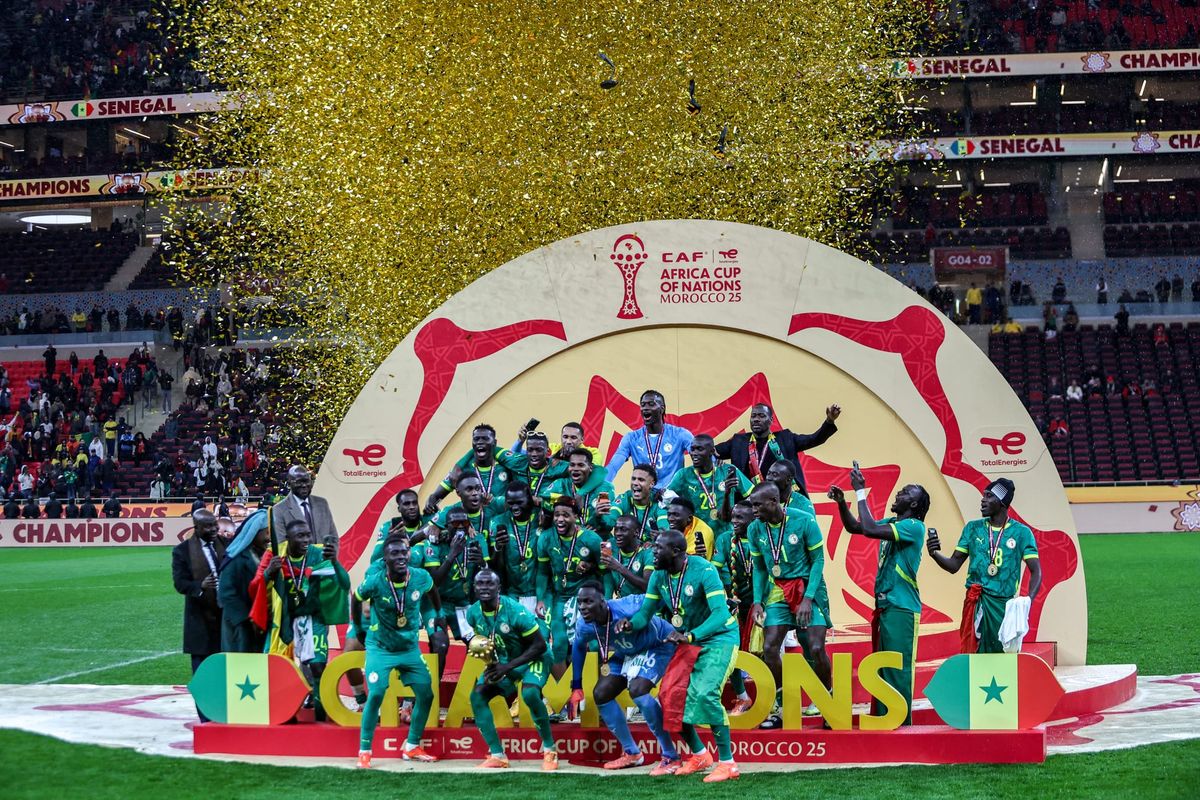
Senegal were off the pitch for 14 minutes before play resumed. Morocco missed the spot kick, the match went to extra time, and Gueye's goal won the trophy on the field. Senegal lifted it, celebrated it, and even paraded it to their supporters in Paris at the end of March.
How a title was won, lost and appealed
Two months after the final, CAF's Appeal Board ruled that Senegal had forfeited the match by walking off, overturned the result and recorded it as a 3-0 victory for Morocco. The Senegalese Football Federation (FSF) denounced the ruling as the "most blatant administrative robbery in the history of our sport" and appealed to CAS on 25 March.
Senegal's case rests on a simple argument: the referee's decision is final, and the referee allowed the match to be completed. The hearing took place behind closed doors at CAS headquarters in Lausanne on 8 October, with Senegal, Morocco and CAF all heard. CAS initially expected to rule within days, then opted to issue a complete ruling with full legal grounds — a formal CAS Award, which carries the same weight as a national court judgement.
The panel is presided over by French sports law expert Gerald Simon, alongside Italian professor Luigi Fumagalli and Zurich professor Ulrich Haas.
What Tuesday's verdict means for both nations
For Senegal, victory restores more than a trophy: it restores the second AFCON title in their history, won by a golden generation that has kept delivering — the Lions of Teranga were in ruthless form again this month, as our report on Senegal's 4-1 rout of Sudan showed, and they have already booked their place at the next tournament, as covered in Senegal becoming the first team to qualify for AFCON 2027. Defeat leaves the walk-off as the defining image of their campaign and sets a precedent that a result settled on the pitch can be rewritten months later.
For Morocco, defeat strips away a first African title since 1976 that they never got to celebrate on the night. Victory, however, would still carry an asterisk in the eyes of much of the continent — champions by forfeit is a label no federation wants attached to a golden era.
Beyond the Final Whistle: Football has a simple social contract — the whistle blows, the result stands, and arguments happen afterwards. CAF broke that contract when it rewrote a final two months later, and whatever Lausanne decides on Tuesday, the damage to trust in African football's institutions is already done. Senegal's players were wrong to walk off; but a title should be lost on grass, not on letterhead. If CAS restores the 1-0, it will not just be Senegal's win — it will be a win for every fan who believes the pitch, not the committee room, decides who champions are.
Who should be recognised as African champions on Tuesday night — the team that won the final, or the team the regulations point to? Have your say in the comments.