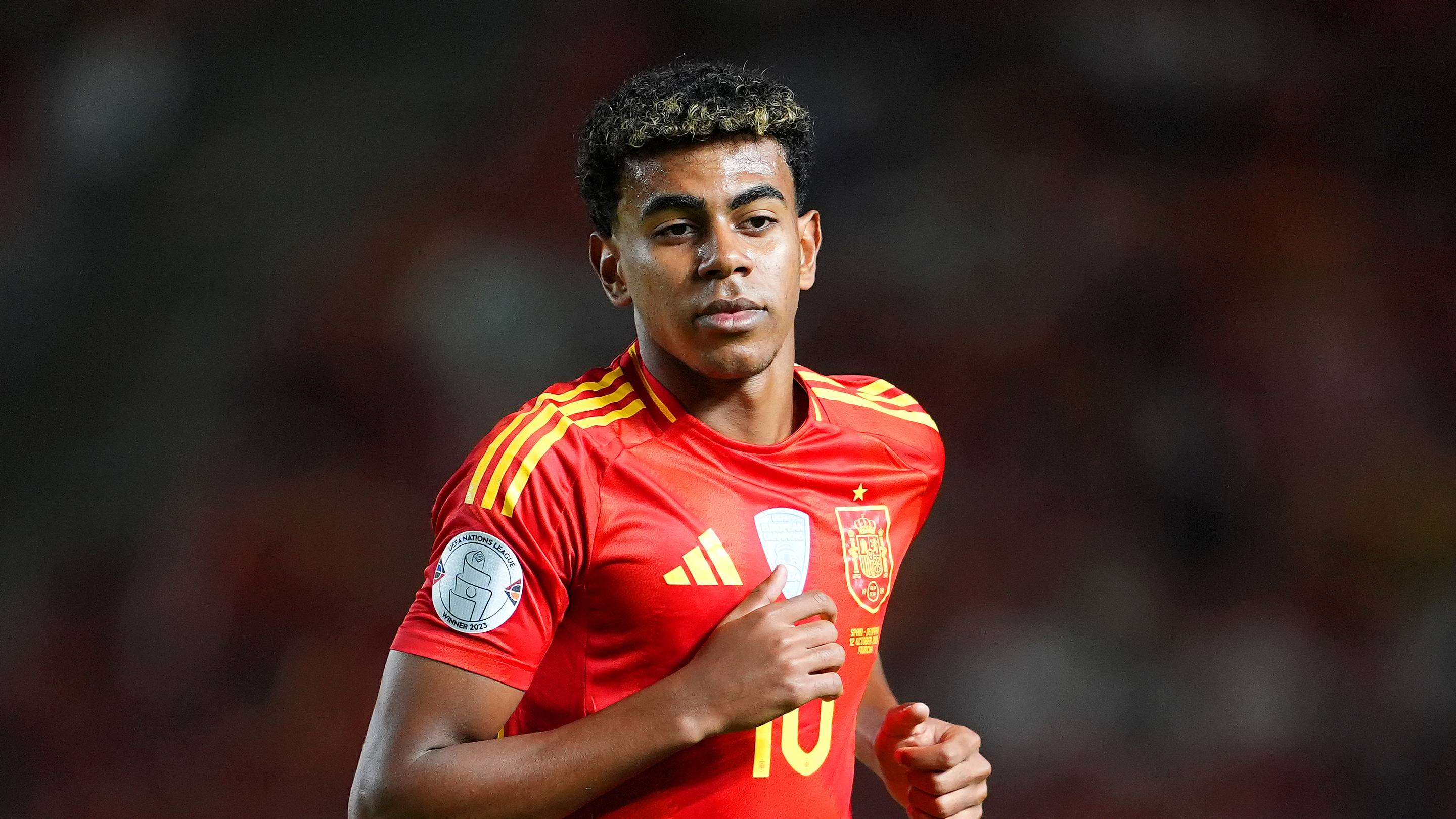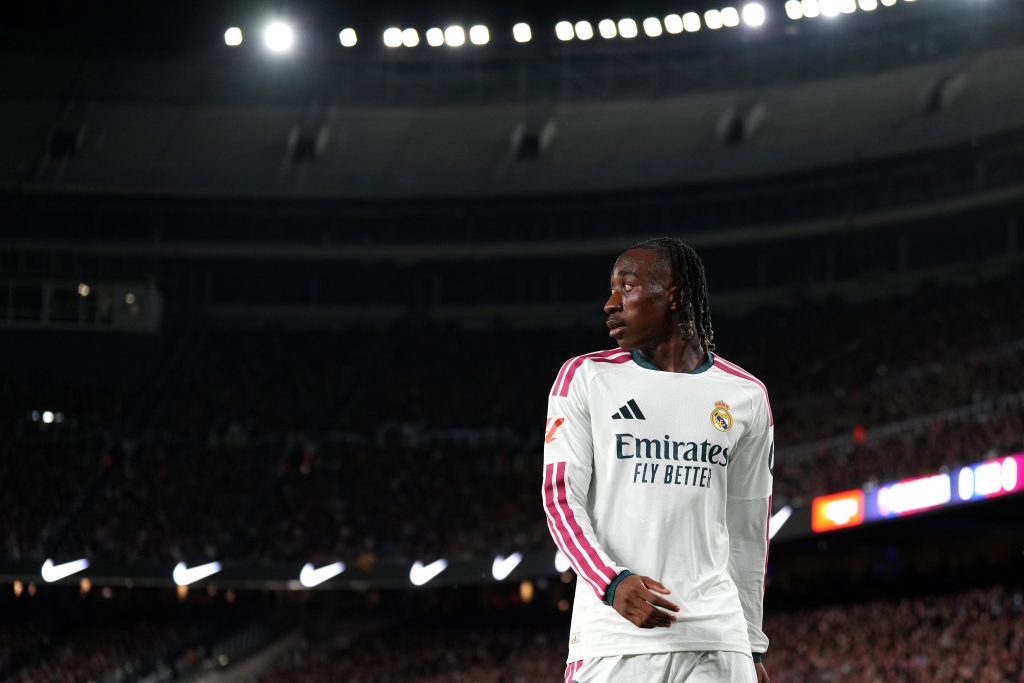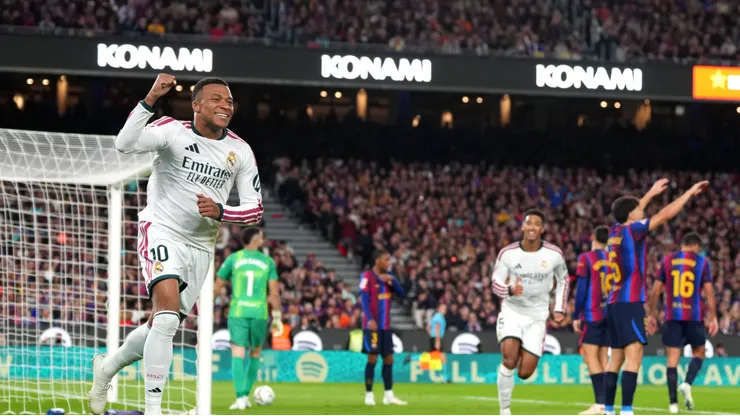

Pau Cubarsí has won Tuttosport's 2026 Golden Boy award with a landslide 475 of 500 points — becoming only the second defender to take the prize since 2003, and Barcelona's fifth winner.
The 19-year-old centre-back was announced as the winner on Monday, succeeding Désiré Doué (2025) and following his own Barcelona teammates Pedri, Gavi and Lamine Yamal as winners since 2021. With five winners, Barcelona now stand clear of Borussia Dortmund and Manchester United in the award's history. The prizes will be handed out in Turin on December 14.
The case, as Reuters reported and Barcelona's own announcement confirms, rests on a year most defenders twice his age would envy. Cubarsí anchored Barcelona's second consecutive La Liga title, added the Spanish Super Cup, and then helped Spain win the World Cup — where he was named FIFA Young Player of the Tournament in a side that conceded just one goal all tournament.
Why defenders almost never win these awards
Individual prizes are built for forwards. Goals compress into highlights; defensive excellence dissolves into ninety minutes of positioning, anticipation and passes that only look simple because the man playing them makes them so. Since the Golden Boy began in 2003, only Matthijs de Ligt in 2018 had broken the attackers' monopoly before Cubarsí — eight years between defensive winners tells its own story about what voters are trained to see.
Cubarsí forced them to see it anyway. A landslide of 475 points from a possible 500 is not a sympathy vote for a promising youngster; it is a jury deciding the argument was not close. Spain's one-goal-conceded World Cup run gave his defending a statistic even highlight culture could grasp, and Barcelona's back-to-back titles — covered across our recent Barcelona coverage, including the 6-1 win over Alavés — kept him on the biggest domestic stage every week.
The modern centre-back, redefined
What separates Cubarsí is not only what he stops. His distribution and reading of the game are the foundation of how Barcelona build: line-breaking passes played early, a first touch that turns pressure into possession, and positioning so mature that the desperate defending — the sliding tackles voters love — rarely becomes necessary. He defends, increasingly, by making defending unnecessary.
That profile is exactly where the position is heading. The elite centre-back is now a playmaker who happens to start deepest, judged as much on pass selection under a press as on duels won. Cubarsí at 19 is not adapting to that future; he is one of the players defining it, for a Barcelona side whose academy keeps producing era-shaping talent — Messi, Pedri, Gavi, Yamal and now Cubarsí on the same Golden Boy roll of honour.
So what does this mean for Barcelona and Spain?
Barcelona have their defensive cornerstone for a decade — if they can protect him. A teenage centre-back who has already won La Liga twice and a World Cup will attract the kind of attention, and the kind of workload, that burns out young defenders. Managing his minutes and his contract is now as important as anything the club does on the pitch.
For Spain, the message is just as significant: their World Cup triumph was built on control, and Cubarsí is control made flesh at the back. A national team that concedes once in a tournament has a platform to contend for years. And for the awards culture itself, his landslide may finally shift what "best young player" means — away from goals alone, toward the players who make the goals possible and the clean sheets routine.
Beyond the Final Whistle verdict: Cubarsí did not win the Golden Boy despite being a defender — he won it because his defending, and his passing, were impossible to ignore even for voters who usually only watch the ball hit the net. At 19, he is already the template for the modern centre-back. Is he the best young defender in the world right now — and could he one day challenge for the Ballon d'Or itself? Tell us what you think in the comments.