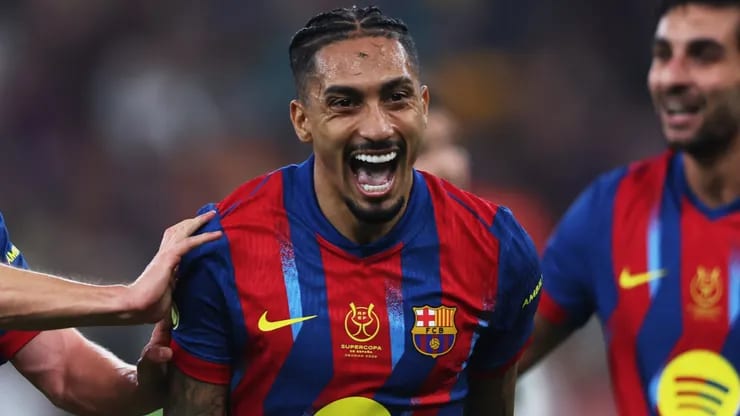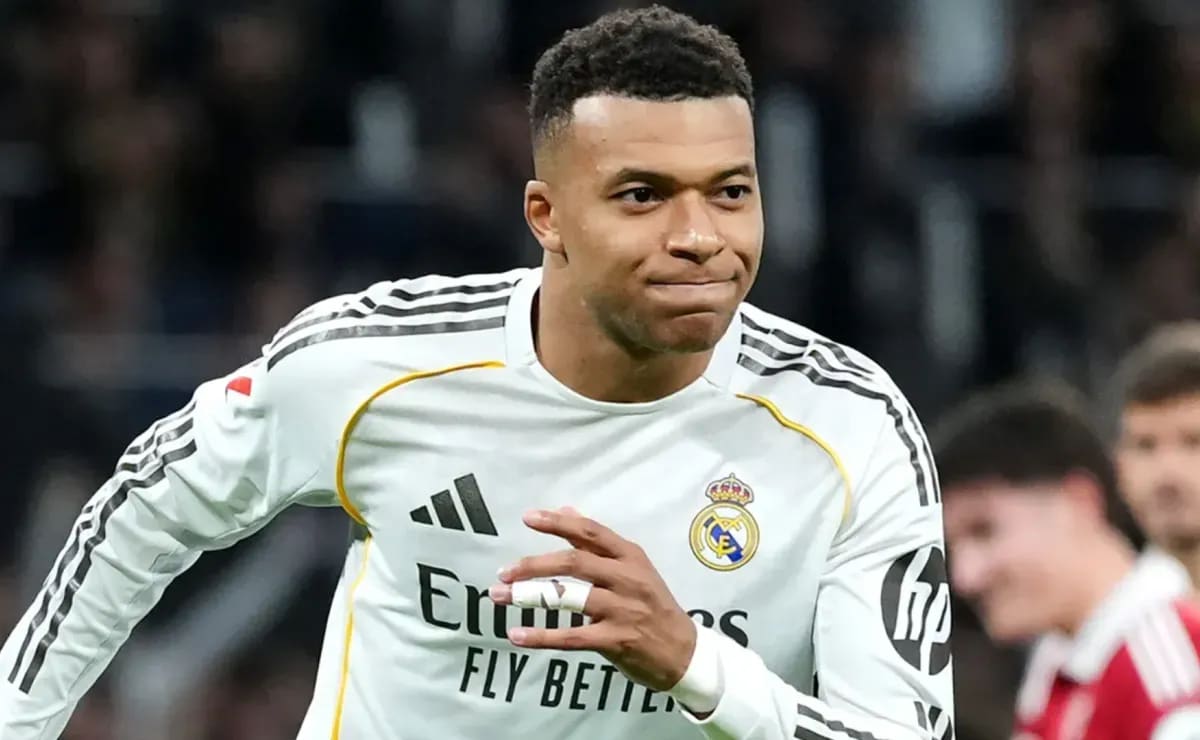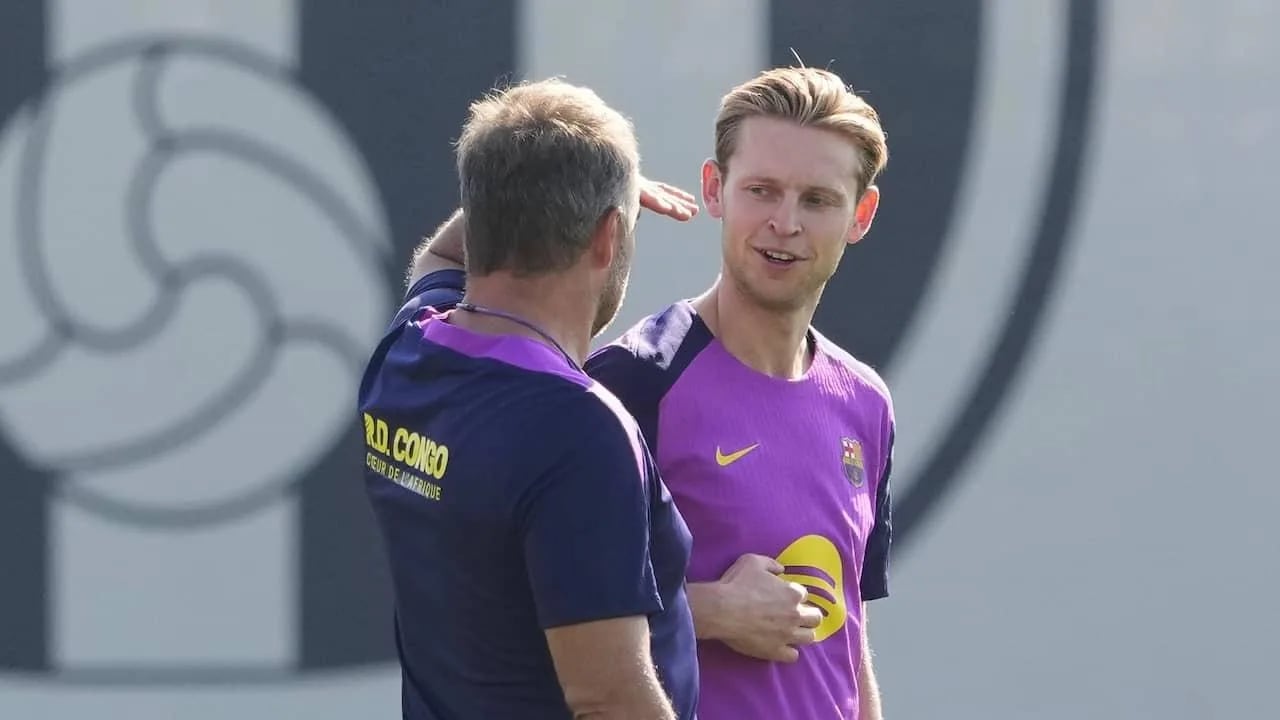
Frenkie de Jong is moving closer to his Barcelona return after the knee injury that ended his World Cup. But the team he is returning to has changed. With Rodri, Pedri, Gavi, Fermín López and Marc Bernal competing for midfield places, is De Jong still an automatic starter — or must the Dutchman redefine his role at Barcelona?
By Abiodun Adewale Adeniyi | Founder & Editor, Beyond the Final Whistle
October 4, 2026 | Frenkie de Jong / Barcelona / La Liga
For years, Barcelona's midfield appeared incomplete whenever Frenkie de Jong was unavailable.
His ability to receive under pressure.
Carry possession through midfield.
Escape the first line of a press.
Connect defence with attack.
And move the ball forward without forcing risky passes.
Those qualities made the Dutchman one of Barcelona's most important midfielders.
But football rarely waits for injured players.
De Jong is now progressing towards his return from the knee injury he suffered during the Netherlands' World Cup quarter-final defeat against Brazil.
And the Barcelona he is returning to looks different from the one he left.
The midfield has evolved.
Roles have changed.
Young players have developed.
And Barcelona now possess something they have lacked during much of De Jong's time in Catalonia.
Competition.
The question is therefore no longer simply:
When will Frenkie de Jong return?
The more interesting question is:
Where exactly does he fit when he does?
De Jong's Injury Created a Midfield Experiment Barcelona Never Planned
Losing an important midfielder is normally a problem.
Sometimes it also forces evolution.
De Jong's injury removed one of Barcelona's most established midfielders and forced the coaching staff to find different solutions.
Other players received responsibility.
Combinations changed.
The structure adapted.
And Barcelona discovered they could function without depending on De Jong to progress possession.
That does not mean he became unnecessary.
It means the team's relationship with him changed.
There is a significant difference.
Barcelona once needed De Jong because few midfielders in the squad could reproduce his ability to carry the ball through pressure.
Now they have multiple ways of progressing possession.
That makes his return more interesting.
Rodri Changes Everything
The biggest difference is obvious.
Rodri.
Barcelona's midfield structure looks fundamentally different with an elite holding midfielder controlling the centre of the pitch.
Rodri does not play like De Jong.
That is precisely the point.
He provides positional discipline.
He protects the defence.
He dictates tempo.
He wins second balls.
He controls transitions.
And he gives Barcelona a natural reference point at the base of midfield.
For much of De Jong's Barcelona career, one of the recurring debates surrounded whether he should play deepest or higher.
At Ajax, he often received the ball near his centre-backs and drove forward.
At Barcelona, coaches experimented with him as a holding midfielder, interior and even occasionally as an auxiliary defender.
Rodri removes much of that uncertainty.
Barcelona already have their defensive midfielder.
So De Jong's future role is likely to exist alongside Rodri rather than instead of him.
That changes the tactical equation completely.
Pedri Remains Barcelona's Creative Reference Point
Then there is Pedri.
When healthy, Pedri provides qualities Barcelona cannot easily replace.
His awareness between the lines.
His ability to receive on the half-turn.
His understanding of space.
His final pass.
His capacity to slow a match down before suddenly accelerating it.
Pedri is not simply another midfielder competing with De Jong.
He occupies a different creative role.
But if Barcelona use three central midfielders and Rodri and Pedri are both considered first-choice players, suddenly only one obvious position remains.
That is where the competition becomes fascinating.
Gavi Makes the Decision Even Harder
Gavi offers something different again.
Intensity.
Aggression.
Pressing.
Movement.
Emotional energy.
He plays matches as though every loose ball is personal.
That can be invaluable in games where Barcelona need to disrupt an opponent rather than simply control possession.
Gavi may not carry the ball like De Jong.
He may not dictate rhythm like Rodri.
He may not create like Pedri.
But he gives Barcelona chaos.
And sometimes elite teams need chaos.
Against opponents who want comfortable possession, Gavi can make the match uncomfortable.
That tactical variation gives Barcelona another reason why De Jong can no longer assume every important match will automatically include him.
Fermín López Has Refused to Remain a Squad Player
Squad competition becomes particularly dangerous when younger players stop behaving like backups.
Fermín López has done exactly that.
His greatest quality may be his willingness to attack the penalty area.
Barcelona possess several midfielders who want the ball.
Fermín frequently wants the space beyond it.
He makes runs.
He arrives late.
He attacks rebounds.
He shoots.
He provides goal threat from midfield.
That matters because one criticism of some Barcelona midfield combinations has been excessive control without enough penetration.
Fermín changes the balance.
Selecting him can make Barcelona less predictable.
And every strong performance strengthens his argument for more minutes.
Marc Bernal Represents the Future Barcelona Cannot Ignore
Then there is Marc Bernal.
Barcelona's academy has repeatedly produced midfielders capable of understanding positional football almost instinctively.
Bernal belongs to that tradition.
He remains young.
He should not be overloaded with expectation.
But his emergence gives Barcelona another technically secure midfielder who can develop into a major first-team player.
This is where De Jong's situation becomes fundamentally different from previous seasons.
Barcelona are no longer searching desperately for midfield depth.
They have it.
And young players need minutes.
That creates difficult decisions.
De Jong Still Has One Skill Barcelona Cannot Easily Replicate
All of this might sound like an argument for moving beyond De Jong.
It isn't.
Because there remains one area where he is arguably Barcelona's best midfielder.
Ball carrying through pressure.
Rodri progresses possession largely through passing.
Pedri manipulates pressure through positioning and combination play.
Gavi attacks space aggressively.
Fermín attacks the final third.
De Jong does something different.
He can receive the ball facing his own goal, turn away from pressure and physically transport possession 20 or 30 metres.
That ability can completely destroy a press.
An opponent spends energy pushing players forward.
De Jong escapes the pressure.
Suddenly Barcelona have numerical superiority further up the pitch.
Few midfielders do this naturally.
It is why De Jong has remained valuable through multiple Barcelona managers and tactical systems.
His Best Role May Finally Be Clear
Perhaps the irony is that Rodri's arrival could actually help De Jong.
For years, Barcelona debated whether the Dutchman should become the team's deepest midfielder.
That role never completely maximised him.
De Jong wants freedom to move.
He wants to carry possession.
He wants to step forward.
He wants to connect different zones.
Playing as the sole defensive midfielder can restrict those instincts.
With Rodri behind him, De Jong could operate as a genuine left or right-sided central midfielder with permission to progress.
Rodri protects.
De Jong carries.
Pedri creates.
On paper, that combination is extraordinary.
The question is whether it provides enough intensity without the ball.
A Rodri–De Jong–Pedri Midfield Could Control Almost Anyone
Imagine the structure.
Rodri at the base.
De Jong progressing possession.
Pedri operating between the lines.
Technically, it would be among Europe's strongest midfield combinations.
All three are comfortable receiving under pressure.
All three understand possession.
All three can dictate rhythm.
Against teams attempting to press Barcelona aggressively, that trio could be devastating.
Beat the first line and space appears.
De Jong becomes particularly useful in those situations because he can turn defensive possession into attacking possession without requiring multiple passes.
That is where his value remains obvious.
But Control Is Not the Same as Balance
There is another side.
Football is not played exclusively with the ball.
Barcelona must press.
Recover possession.
Defend transitions.
Track runners.
Compete physically.
That is where Gavi becomes difficult to exclude.
A midfield containing Rodri, De Jong and Pedri may offer extraordinary technical control.
A midfield containing Rodri, Gavi and Pedri may offer greater defensive intensity.
A midfield containing Rodri, Fermín and Pedri may offer more penetration.
There may therefore be no single “best” Barcelona midfield.
The opponent could determine the selection.
And that may be De Jong's new reality.
Barcelona's Depth Is Becoming a Competitive Advantage
The importance of midfield depth becomes even greater because Barcelona are fighting across multiple competitions.
The expanded European calendar places enormous demands on elite squads, something we examined in our Champions League 2026/27 guide.
Players cannot realistically start every match.
Injuries accumulate.
Fatigue affects pressing.
International breaks interrupt rhythm.
Rotations become unavoidable.
That means the question should perhaps not be whether De Jong starts every game.
Maybe Barcelona no longer need any midfielder to start every game.
Having Rodri, Pedri, De Jong, Gavi, Fermín and Bernal gives the coaching staff the ability to build different midfields for different tactical problems.
That is a luxury.
The Wider La Liga Battle Makes His Return Even More Important
Barcelona cannot treat the domestic season as a laboratory.
Real Madrid remain the obvious rival.
The title race will demand consistency.
We previously examined the broader battle in our analysis of the La Liga 2026/27 title race between Barcelona and Real Madrid.
Matches against deep defensive blocks require creativity.
Matches against aggressive pressing teams require press resistance.
Clásicos require technical quality and emotional control.
Champions League matches create different problems again.
De Jong's versatility therefore remains valuable.
He may no longer be indispensable in every match.
But he could become extremely important across an entire season.
Barcelona Should Resist the Temptation to Rush Him
There is another consideration.
The knee.
De Jong's injury occurred during the Netherlands' World Cup campaign.
Knee injuries require caution, particularly for midfielders whose game depends heavily on turning, acceleration and changes of direction.
Barcelona gain nothing by rushing him back simply because he is an established name.
The current midfield depth gives them something valuable.
Time.
They can gradually rebuild his minutes.
Twenty minutes.
Thirty.
A start against an appropriate opponent.
Then more responsibility.
That approach could prove far more valuable than immediately demanding 90-minute performances.
The Contract Question Will Eventually Return
De Jong's Barcelona career has rarely existed without speculation.
Transfers.
Salary discussions.
Contract debates.
Manchester United links.
Questions about whether Barcelona might eventually sell.
Those conversations have repeatedly surrounded him.
But his football should determine what happens next.
If De Jong returns and demonstrates that he can thrive alongside Rodri and Pedri, Barcelona will have little reason to weaken an elite midfield.
If younger players increasingly reduce his minutes, however, the conversation becomes different.
Squad status matters.
So does financial value.
A player of De Jong's quality will always have a market.
Barcelona's decision should therefore be based not on reputation but on tactical necessity.
This Could Actually Extend De Jong's Career at Barcelona
Competition is often described negatively.
It does not have to be.
De Jong may benefit from no longer carrying the expectation of solving every midfield problem.
He does not have to be Busquets.
He does not have to become Barcelona's sole controller.
He does not have to play every minute.
He can specialise.
Carry possession.
Escape pressure.
Connect phases.
Attack space when appropriate.
Rotate with other elite midfielders.
That could make him more effective rather than less important.
The Real Question Is No Longer Whether Barcelona Need De Jong
Of course they need him.
Elite teams need elite players.
The real question is different.
How do Barcelona use him now?
That is the tactical challenge.
Before his injury, De Jong's place often felt automatic.
When he returns, selection may depend on the opponent.
That is not necessarily a demotion.
It is evidence that Barcelona's squad has improved.
A team competing for La Liga and the Champions League should have difficult selection decisions.
If the starting XI chooses itself every week, the squad probably isn't deep enough.
De Jong Is Returning to Competition, Not Comfort
This may ultimately be the biggest difference.
Frenkie de Jong will not return to Barcelona and simply receive his old place back.
He will have to earn it.
Rodri provides structure.
Pedri provides creativity.
Gavi provides intensity.
Fermín provides penetration.
Bernal represents enormous potential.
De Jong must demonstrate why his unique combination of carrying, press resistance and positional intelligence still deserves a central role.
That challenge could produce the best version of him.
Barcelona May Be Stronger Because They No Longer Depend on Him
There is a strange paradox at the heart of De Jong's return.
Barcelona needing him less may actually make him more useful.
Previously, his absence could destabilise the entire midfield.
Now Barcelona have alternatives.
That allows them to choose De Jong when the match specifically requires what he does best.
Against an aggressive press?
Use his carrying ability.
Need control?
Pair him with Rodri and Pedri.
Need greater physical intensity?
Rotate Gavi into the side.
Need a midfielder attacking the penalty area?
Fermín becomes an option.
That flexibility is what elite squad building looks like.
His Comeback Could Make Barcelona's Biggest Strength Even Stronger
The headline surrounding Frenkie de Jong will initially be his return from injury.
But the bigger story begins after he returns.
Barcelona suddenly possess a midfield with multiple identities.
Control.
Aggression.
Creativity.
Vertical running.
Ball carrying.
Youth.
Experience.
De Jong adds another weapon.
He may no longer be the player Barcelona's midfield cannot function without.
And strangely, that might be good news for everyone.
Beyond the Final Whistle, Frenkie de Jong's return should not be viewed as a simple restoration of Barcelona's old midfield hierarchy. Rodri, Pedri, Gavi, Fermín López and Marc Bernal have created genuine competition, giving Barcelona tactical choices they previously lacked. De Jong remains one of Europe's finest midfield ball-carriers, but his next challenge is proving how that unique quality fits into a team that has learned to thrive without depending on him.
Should Frenkie de Jong return immediately to Barcelona's strongest midfield alongside Rodri and Pedri, or has the competition become too strong for anyone to be guaranteed a starting place? Join the conversation on Beyond the Final Whistle.