
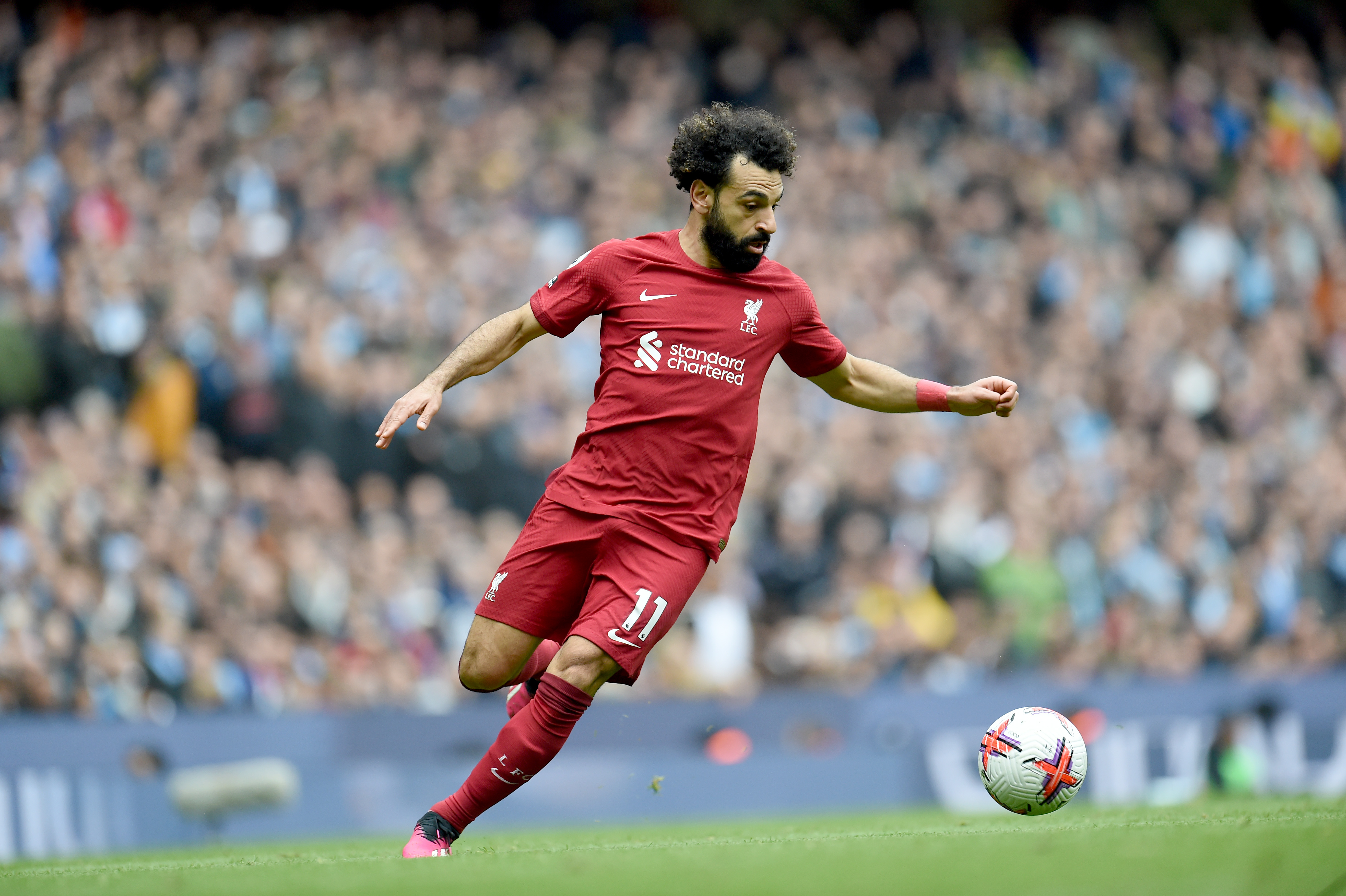
Liverpool ownership has entered a significant new chapter after Fenway Sports Group agreed a deal with 1892 Holdings, a consortium backed by major investors including Amazon founder Jeff Bezos.
By Abiodun Adewale Adeniyi | Founder & Editor, Beyond the Final Whistle
Updated August 18, 2026 | Football News / Premier League
Liverpool’s ownership structure is changing — but Fenway Sports Group is not leaving Anfield.
FSG has reached a definitive agreement for 1892 Holdings to acquire a significant minority stake in Liverpool, bringing some of the world’s wealthiest investors into the club’s ownership structure while FSG retains majority ownership and operational control.
According to Reuters’ report on Liverpool’s new investment agreement, the consortium includes Amazon founder Jeff Bezos through K5 Sports alongside other major investors.
The development is important because it gives Liverpool additional financial and business expertise without immediately replacing the ownership model that has been in place since 2010.
But what could it actually mean for Liverpool?
Liverpool Ownership: What Has Actually Happened?
When reports first emerged, the story was about negotiations.
That is no longer the case.
Fenway Sports Group has confirmed that it reached a definitive agreement with 1892 Holdings for a minority investment in Liverpool.
Reuters initially reported that a source familiar with the agreement described the stake as approximately one-third of the club.
However, The Guardian subsequently reported that the agreement is for a 38% stake in Liverpool, with the transaction valuing the club at approximately £5.5 billion.
The important point for supporters is that this is not currently a full takeover.
FSG remains Liverpool’s majority shareholder and retains operational control of the club.
That means the investment represents a major change in Liverpool’s ownership structure without immediately changing who ultimately controls the club.
Who Are 1892 Holdings?
The new investment consortium is called 1892 Holdings, a name referencing the year Liverpool Football Club was founded.
The consortium is led by businessman Amit Bhatia, who has previously been involved with Queens Park Rangers.
According to Reuters, the investment group also includes the Mittal Family Trusts, EE Capital and K5 Sports, where Bezos is a lead investor.
One important distinction should be made.
This should not simply be described as “Jeff Bezos buying Liverpool.”
Bezos is involved through the wider consortium and is not expected to take a seat on Liverpool’s board.
Bhatia, meanwhile, is set to become Liverpool’s vice-chairman as part of an expanded board.
That makes the ownership arrangement considerably more complex than the headline idea of one billionaire buying a football club.
Fenway Sports Group Remains in Control
This may be the most important part of the story.
FSG purchased Liverpool in 2010 and has overseen one of the most successful periods of the club’s modern history.
Liverpool have won major domestic and European honours during that period, while Anfield has undergone significant redevelopment and the club’s global commercial operation has expanded.
The arrival of 1892 Holdings does not immediately end that era.
FSG remains the majority owner and continues to control Liverpool’s operations.
FSG president Mike Gordon said the organization believes the new consortium shares its long-term philosophy and appreciation for Liverpool.
That suggests the intention, at least for now, is partnership rather than revolution.
Could 1892 Holdings Eventually Take Control of Liverpool?
This is where the story becomes particularly interesting.
On August 18, The Guardian reported that 1892 Holdings has first refusal to become Liverpool’s majority shareholder during the next 12 months if FSG decides to sell or reduce its ownership position.
That does not mean another sale is guaranteed.
FSG has maintained that the minority investment is not part of an exit strategy, and the current agreement does not require FSG to surrender control of Liverpool.
Nevertheless, the arrangement creates a potential pathway through which Liverpool’s ownership structure could change again.
If FSG eventually decides to sell additional shares, 1892 Holdings could find itself in a strong position.
For Liverpool supporters, that makes the next 12 months particularly interesting from an ownership perspective.
Does This Mean Liverpool Suddenly Have Billions to Spend?
Probably not — and this distinction is important.
The enormous wealth associated with Bezos and other members of the consortium naturally creates speculation about Liverpool’s transfer spending.
But an ownership investment should not automatically be interpreted as billions being handed directly to Liverpool’s recruitment department.
Reporting surrounding the agreement indicates that the transaction does not immediately change Liverpool’s summer transfer strategy.
Liverpool have historically operated with a structured recruitment model rather than simply attempting to outspend every rival.
That philosophy is unlikely to disappear overnight.
What the new investors could potentially provide is greater long-term financial and commercial strength.
That could become important when Liverpool compete against clubs with enormous resources both in England and across Europe.
What Could the Investment Mean Long Term?
The significance of this agreement may eventually extend far beyond transfers.
Liverpool are already one of football’s biggest global brands, but new investors can potentially bring additional business networks, commercial expertise and international opportunities.
Potential areas of long-term growth include:
- Global commercial partnerships
- International sponsorship opportunities
- Digital and media expansion
- Infrastructure investment
- Growth of Liverpool’s international fanbase
- Increased long-term club revenue
That may ultimately prove more significant than one expensive transfer window.
A stronger commercial operation creates recurring revenue.
And recurring revenue can strengthen a football club for many seasons.
Liverpool Must Protect What Already Works
There is another side to this development.
More money does not automatically create a better football club.
Liverpool’s success under FSG has been built partly on having a recognizable sporting philosophy, careful recruitment and a willingness to think long term.
The challenge will therefore be incorporating new investors without allowing the club to lose the characteristics that helped restore Liverpool to the top of English and European football.
Supporters will understandably want ambition.
But they will also want stability.
Finding the balance between the two could determine whether this investment becomes an important moment in Liverpool’s modern history.
Liverpool’s performances on the pitch will ultimately remain the most important measure.
Our previous analysis of Liverpool’s pre-season defeat against Monaco examined some of the footballing questions facing the Reds ahead of the new campaign.
Why This Deal Matters Beyond Liverpool
The investment also illustrates how dramatically the economics of elite football have changed.
FSG purchased Liverpool for approximately £300 million in 2010.
The latest investment reportedly values the club at approximately £5.5 billion.
That extraordinary increase demonstrates the commercial growth of both Liverpool and the Premier League.
Major football clubs are no longer simply sporting institutions.
They have become global media, entertainment and commercial businesses capable of attracting some of the world’s wealthiest investors.
Liverpool are now another example of that transformation.
What Happens Next?
There are several things worth watching.
The first is how 1892 Holdings integrates into Liverpool’s existing leadership structure.
The second is whether the investment leads to meaningful changes in Liverpool’s long-term commercial strategy.
And the third — potentially the biggest of all — is what happens if FSG decides to reduce its ownership stake in the future.
For now, however, one fact should remain clear:
Fenway Sports Group still controls Liverpool Football Club.
The arrival of 1892 Holdings represents a significant minority investment, not an immediate takeover.
Beyond the Final Whistle Verdict
Liverpool’s new ownership arrangement could prove to be one of the most significant off-field developments at Anfield in years.
The presence of investors associated with enormous global wealth will inevitably generate excitement, particularly among supporters hoping Liverpool can compete financially with the richest clubs in world football.
But the real significance of the agreement may be more strategic.
FSG retains control while gaining new partners capable of bringing capital, business expertise and international connections into Liverpool’s ownership structure.
And with 1892 Holdings reportedly holding first refusal should FSG decide to reduce its stake during the next 12 months, the story may not be finished.
Liverpool have not undergone a full takeover.
But the ownership landscape at Anfield has undoubtedly changed.
And what happens next could shape the club for many years.
Continue Reading Beyond the Final Whistle
For more Premier League news and analysis, read:
How Bruno Guimarães Changes Arsenal’s Midfield: A Tactical Analysis
Morgan Rogers: Can Chelsea’s £117m Record Signing Transform the Blues?
Chelsea Held to Thrilling 3-3 Draw by Johor Darul Ta’zim
Arsenal Suffer Back-to-Back Pre-Season Defeats
By Abiodun Adewale Adeniyi
Founder & Editor, Beyond the Final Whistle


/origin-imgresizer.tntsports.io/2026/02/09/image-2c12acb7-0c89-4102-bd0c-450f78dce138-85-2560-1440.jpeg)