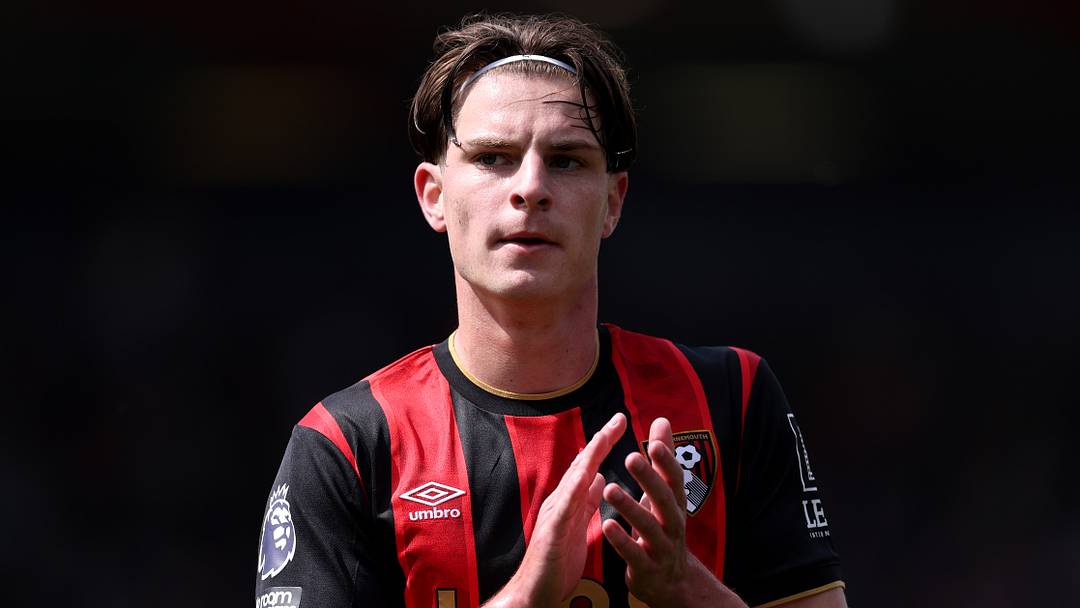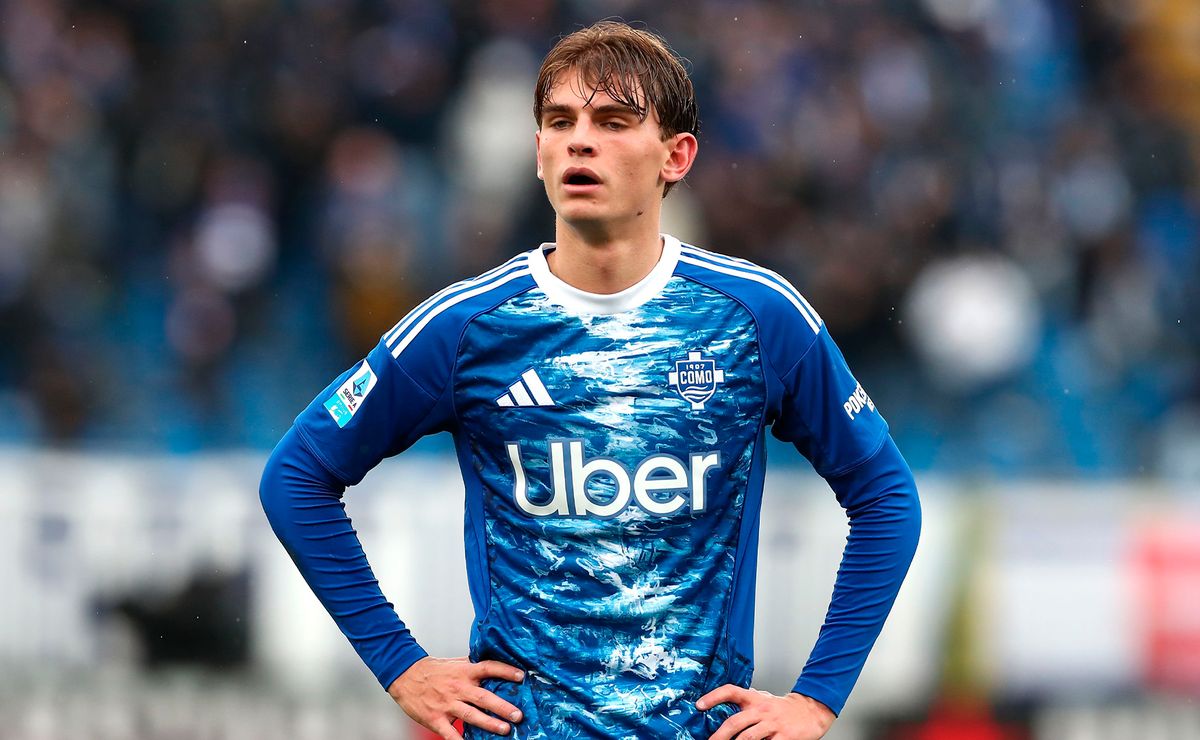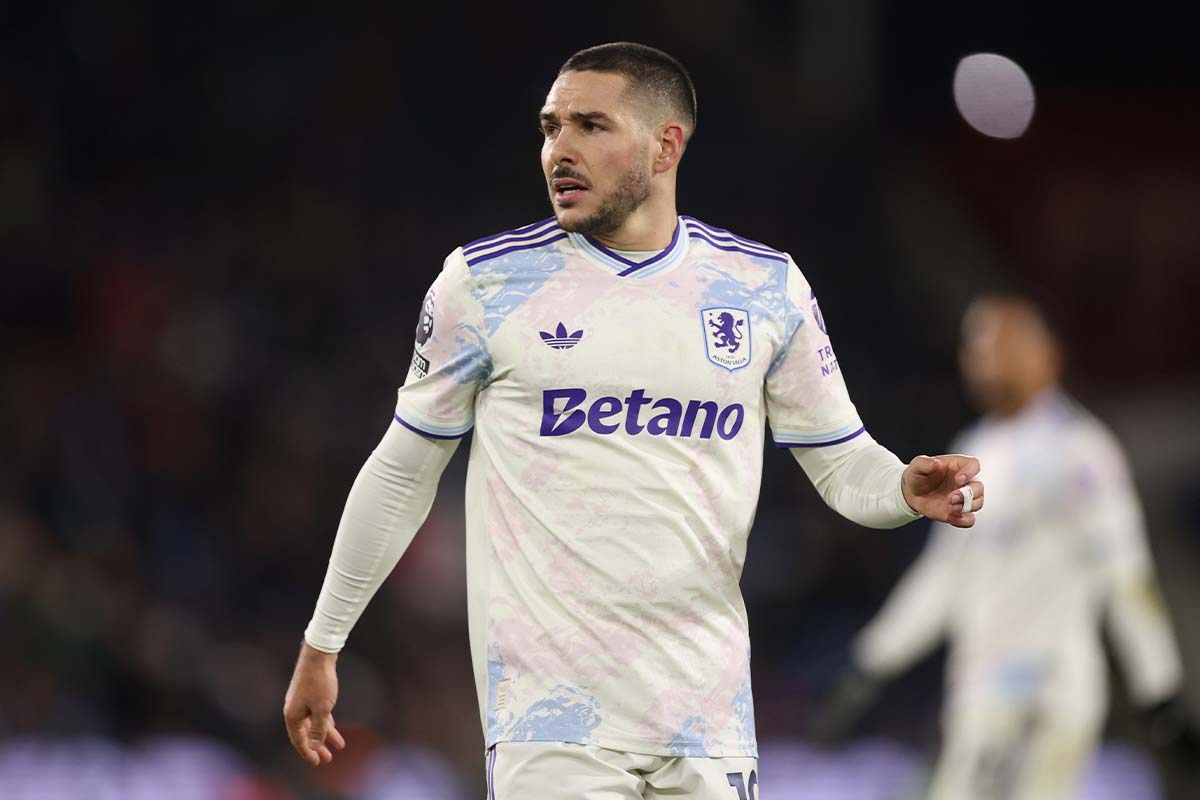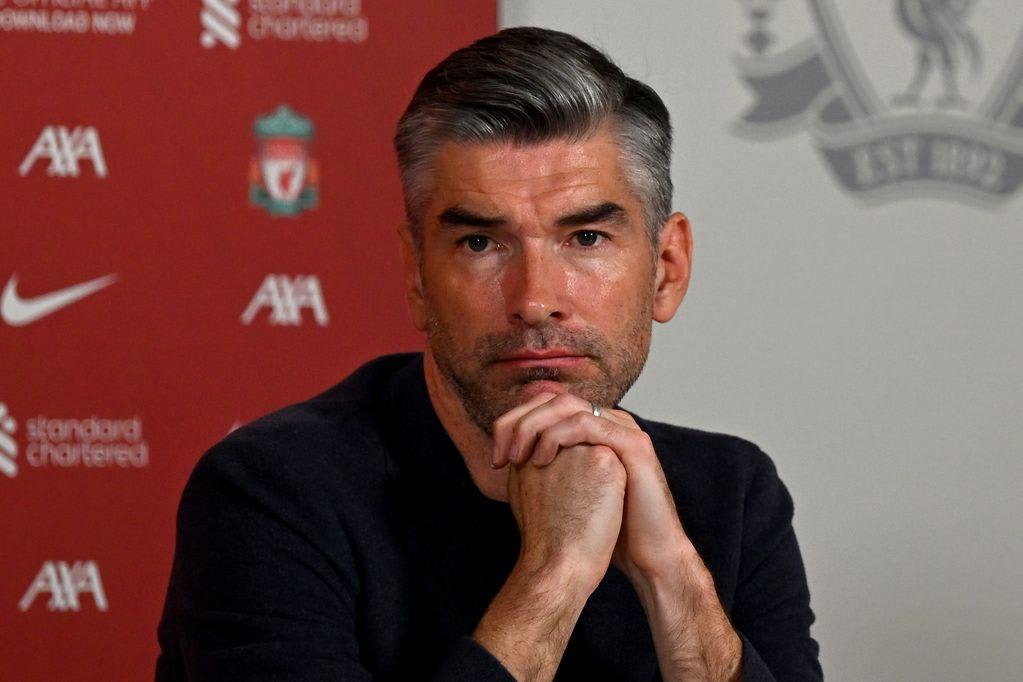
Richard Hughes leaves Liverpool after two years as sporting director, bringing another major change to Anfield just days after the summer transfer window closed. What does his departure mean for Liverpool’s recruitment strategy and Andoni Iraola’s new era?
Category: Premier League | Transfer News
Published: September 5, 2026
By Abiodun Adewale Adeniyi | Founder & Editor, Beyond the Final Whistle
September 5, 2026 | Liverpool Transfer News
Liverpool’s rebuild has taken another significant turn.
The Richard Hughes Liverpool exit has been confirmed just days after the summer transfer window closed, ending his two-year spell as the club’s sporting director. Hughes arrived from Bournemouth in 2024 as part of Liverpool’s restructuring following Jürgen Klopp’s departure and became an important figure in the club’s football operations.
His departure comes at a particularly important moment. Liverpool are beginning a new chapter under Andoni Iraola while several expensive recruits are still settling into the squad.
The question now is not simply why Hughes has gone.
It is whether Liverpool can maintain stability behind the scenes while trying to build another title-winning team.
Richard Hughes’ Two Years at Liverpool
Hughes officially became Liverpool’s sporting director in June 2024 after a decade working in Bournemouth’s football operation.
He was appointed by Michael Edwards, who praised Hughes’ judgement and track record when Liverpool announced the appointment. His task was significant: help guide the club through life after Klopp while maintaining the recruitment structure that had been central to Liverpool’s success.
Reuters reports that Hughes informed Liverpool’s ownership that he wanted to pursue a new challenge after a period that included the 2024/25 league title and Champions League qualification the following season.
His exit therefore closes another chapter in Liverpool’s rapidly changing post-Klopp era.
A Huge Transfer Legacy
Hughes leaves after overseeing a period of major investment.
Among the headline additions during his time were Alexander Isak and Florian Wirtz, while Liverpool’s latest major acquisition was Bradley Barcola from Paris Saint-Germain.
Barcola’s move alone was reported to be worth as much as £123 million, underlining the scale of Liverpool’s recent recruitment ambitions.
The wider Premier League transfer market has become increasingly expensive too. As we recently examined in our analysis of record Premier League transfer spending, English clubs collectively spent around £3.46 billion during the latest summer window.
That makes the sporting director position even more important.
Liverpool are no longer simply looking for bargains. The club is making enormous investments in players expected to deliver immediately, which means whoever succeeds Hughes will inherit both an expensive squad and considerable expectations.
Liverpool’s New Signings Now Have to Deliver
The early signs from Alexander Isak are encouraging.
Liverpool beat Ipswich Town 2–0 on Friday, with Isak scoring twice inside the opening nine minutes to give Iraola his first Premier League victory as Liverpool manager.
Cody Gakpo created both goals, while Barcola made his Liverpool debut following his move from PSG.
That result came after Liverpool had opened their league campaign with consecutive 2–2 draws against Newcastle United and Nottingham Forest.
One victory does not answer every question surrounding the squad, but Isak’s performance was a reminder of what Liverpool’s huge transfer spending was designed to achieve.
If the expensive recruits thrive, Hughes’ recruitment record may look considerably stronger with time.
Why the Timing Matters
Perhaps the most striking aspect of Hughes’ departure is the timing.
The summer window has only just closed.
That at least means Liverpool completed their major recruitment work before changing sporting directors. Rather than losing Hughes in the middle of negotiations, the club can begin searching for his successor with the immediate pressure of the summer market removed.
But there is little room for complacency.
Modern recruitment is a year-round operation. Liverpool will already be evaluating future targets, contract situations and squad weaknesses long before the next major window opens.
The next sporting director therefore cannot simply arrive in January and start making decisions.
Liverpool need continuity now.
What Does It Mean for Andoni Iraola?
Hughes’ departure is also significant for Iraola.
The Liverpool manager arrived this summer with the task of restoring the club after a difficult previous campaign, and Hughes was already familiar with him from their time at Bournemouth.
Now Iraola must continue that rebuild without the sporting director who helped shape the squad he inherited.
There are reasons for optimism.
Barcola provides another major attacking option, while Isak remains one of the Premier League’s most dangerous forwards when fit. Liverpool also have enough established quality to compete at the highest level.
But Iraola himself acknowledged before the Ipswich victory that closing the transfer window would finally allow Liverpool to concentrate fully on football.
Hughes’ departure means the off-field transition is not quite finished yet.
Liverpool Cannot Afford Another Period of Uncertainty
The biggest challenge for Liverpool is therefore stability.
Changing managers is disruptive. Changing sporting directors can be equally important because recruitment decisions shape a club for years rather than weeks.
Liverpool must ensure that Hughes’ replacement fits the club’s existing football philosophy instead of triggering another complete strategic reset.
There is already a significant investment tied up in this squad.
The objective should be to maximise it.
That means supporting Iraola, identifying the remaining weaknesses and ensuring future recruitment complements players such as Isak, Wirtz and Barcola rather than simply adding more expensive names.
Final Whistle
Richard Hughes leaves Liverpool with a complicated legacy that may ultimately be judged by what happens after his departure.
He helped oversee one of the most important transitions in the club’s modern history and leaves behind a squad containing some enormously expensive talent.
Now those players have to justify the investment.
For Liverpool, meanwhile, finding the right sporting director could prove almost as important as any signing they made this summer.
Beyond the Final Whistle, Hughes may be leaving Anfield, but the real verdict on his Liverpool project will be delivered by the team he helped build.
What do you think? Did Richard Hughes leave Liverpool in a stronger position, and who should the club appoint as its next sporting director? Share your thoughts in the comments below.