Serie A is selling a slice of its future — and the frontrunner is not the bidder offering the most money. Avenue Capital's €320 million offer for 10% of the league's new international media company leads the race because of how the deal is structured, not how big the cheque is.
Italian football's top flight is setting up a new company to hold its international broadcasting, sponsorship and betting rights, and has spent months inviting private equity firms to buy a minority stake in it. According to Reuters, New York-based Avenue Capital has emerged as the leading bidder, with the 20 clubs holding an initial review of the final bids on Friday. The final offers arrived last month in a sale process run by JP Morgan.
Avenue is targeting a 10% stake for €320 million, which would value the whole media venture at €3.2 billion. The rival joint bid from Carlyle and Italian investment firm Nextalia is bigger on paper — around €650 million for roughly 17%, implying a valuation of about €3.75 billion — with Bain Capital and Oaktree also having taken part in the process.
Why the smaller cheque is winning
The answer, according to the people Reuters spoke to, is structure. Avenue's offer is a straightforward common equity investment, without the protections on future cash flows that some rival bidders wanted. In plain terms, Avenue would be paid when the business pays out, rather than holding a priority claim that guarantees it first call on the money coming in.
As Finimize noted in its breakdown of the bids, that distinction matters more than the headline valuation: structures that give investors first claim on cash can pressure a league into sending money out of the door instead of reinvesting it in growing the product abroad. For clubs, a partner who shares the risk is a very different proposition from one who has quietly insured himself against it.
A league still chasing England and Spain
The league's international media business generates around €250 million a year in sales, according to UEFA data cited by Reuters — a fraction of what the Premier League and LaLiga bring in from overseas. Reuters reports that broadcasters' interest in Serie A abroad has dwindled in recent years, squeezed by a crowded fixture calendar dominated by the expanded Champions League and by the Premier League's global popularity.
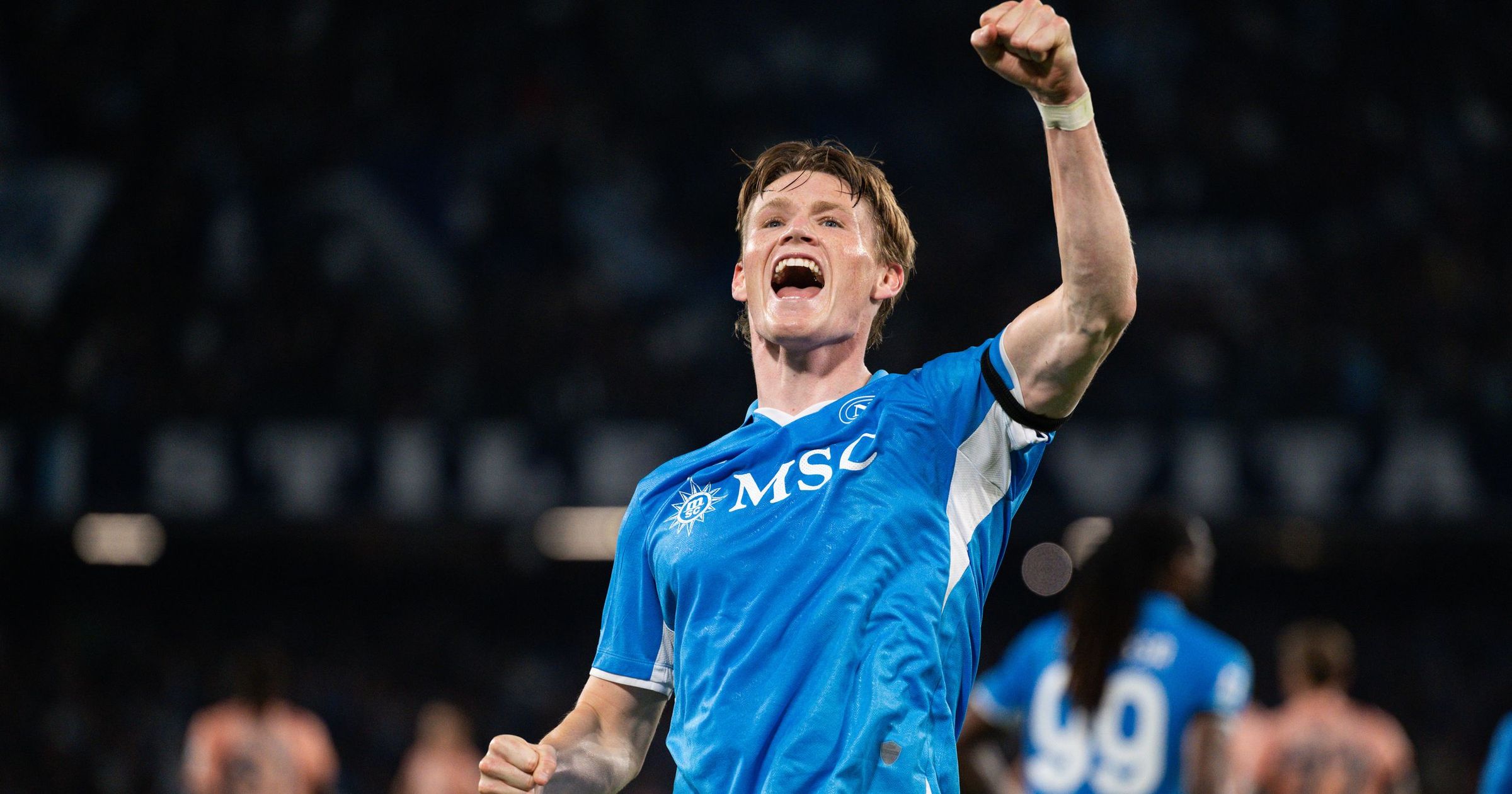
Inter, AC Milan and Juventus still carry Italian football's name around the world, but the money no longer follows them the way it once did. The scramble for media money is now football's biggest boardroom story — UEFA has just overhauled its own commercial operation with American partners — and on the pitch, Italian clubs' recent struggles in Europe, examined in our analysis of Napoli's Champions League problems, keep underlining the cost of falling behind financially.
So what happens next?
The Avenue offer will be examined more closely by the clubs in the coming weeks, and there is no final decision yet. Any deal requires the backing of at least 14 of the league's 20 clubs — a high bar in a league where the biggest clubs and the rest rarely want exactly the same thing. Avenue Capital and Serie A both declined to comment to Reuters, while Carlyle and Nextalia were not immediately available for comment.
Italian football has also been here before. In 2021, a €1.7 billion deal to sell a stake in the league's domestic media business to a consortium led by CVC Capital Partners collapsed after it failed to win enough support from the clubs. That history is why nobody involved is treating this as done: Serie A's owners have form for talking themselves out of precisely this kind of agreement.
If the vote passes, the league gets outside capital and a professional partner whose job is to sell Italian football to the world, plus a windfall the clubs can put towards squads that increasingly struggle to match Premier League spending. If it fails, the €250 million ceiling stays where it is — and the gap to England and Spain keeps growing.
Beyond the Final Whistle verdict: Serie A is right to prefer the clean deal over the biggest one — a partner who shares the risk is worth more than a lender in disguise. But €320 million split 20 ways will not close a gap built over two decades. The real prize is a seller who can make the world watch Italian football again, and if the clubs vote this down like they did in 2021, they will have nobody to blame but themselves. Should Serie A sell a stake in its media rights, or keep full control? Have your say in the comments.