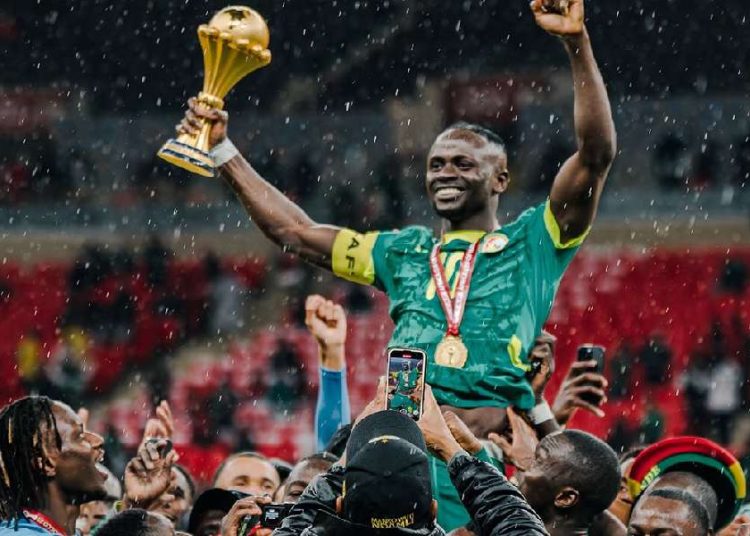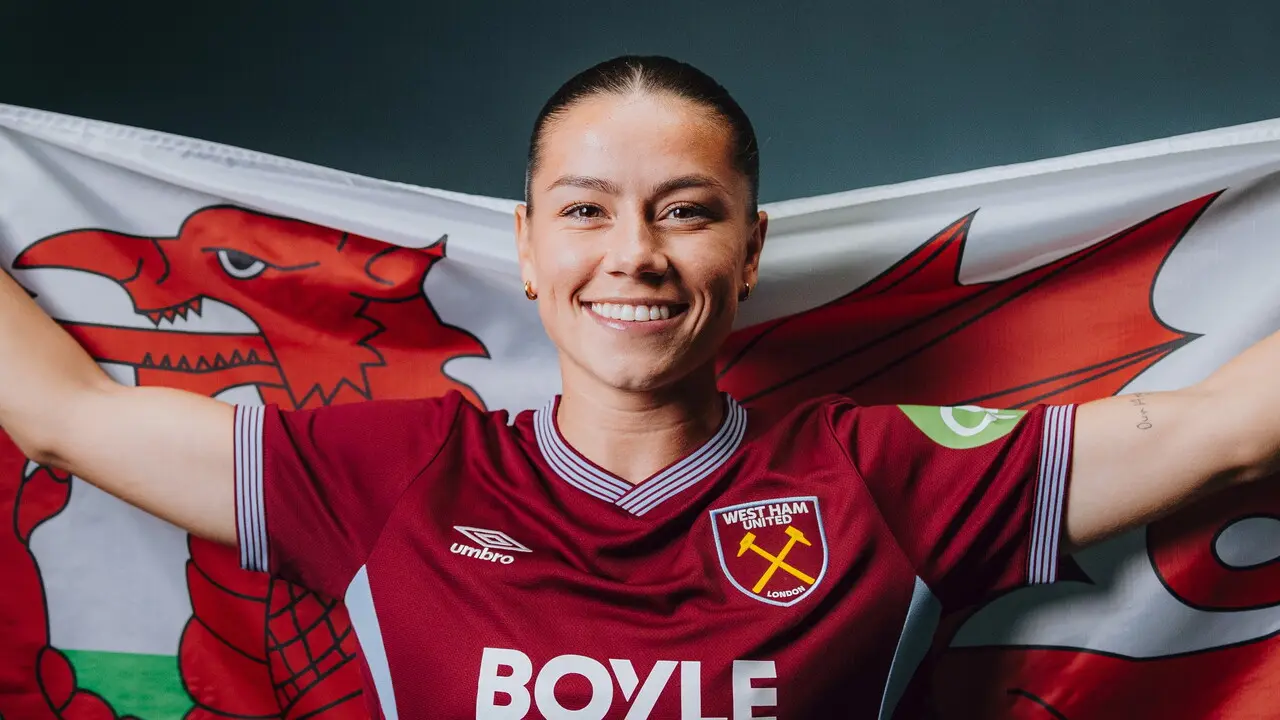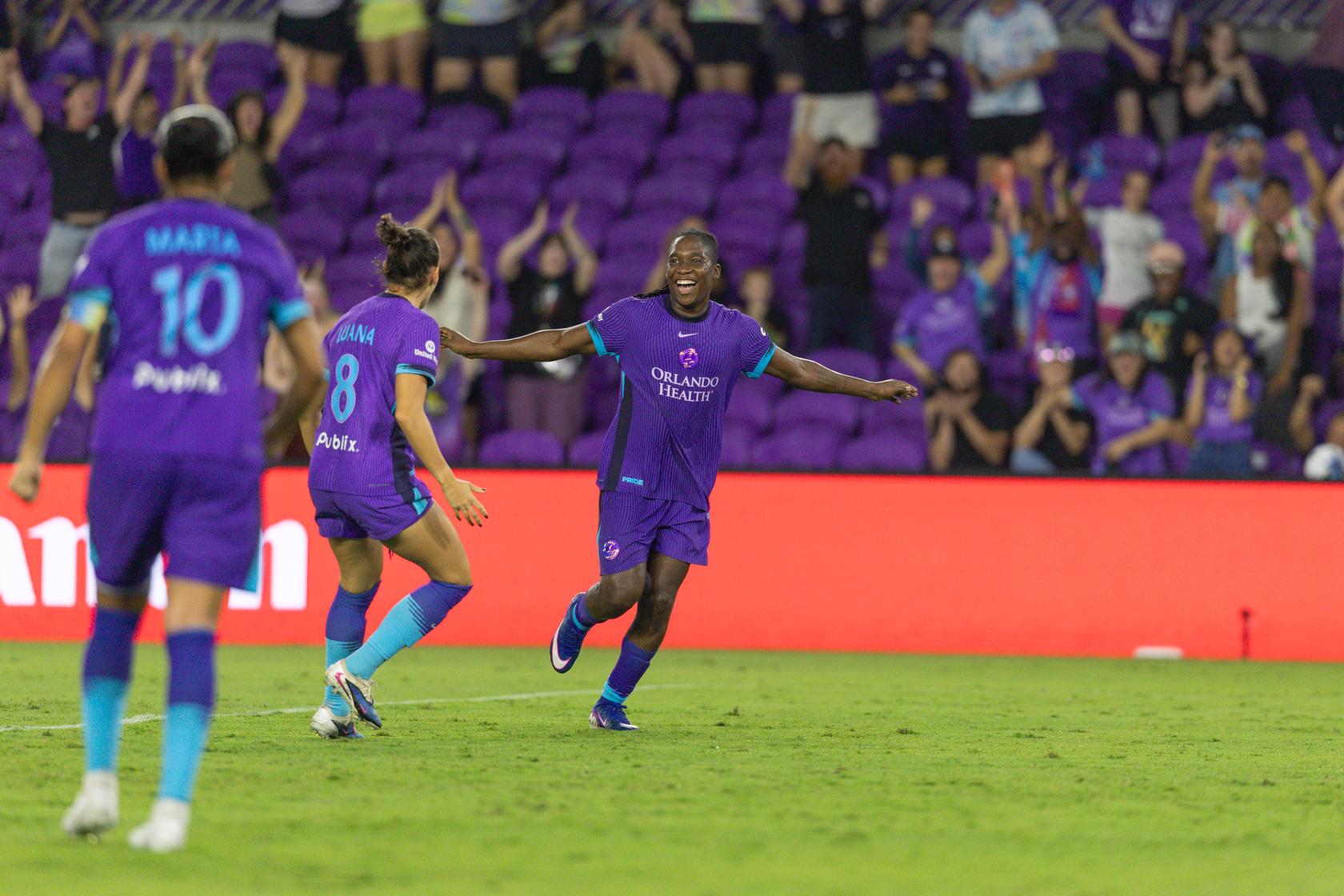

A World Cup is coming home. FIFA is set to confirm on Monday that the United Kingdom will host the 2035 Women's World Cup — the first football World Cup staged in the UK since England's men lifted the trophy in 1966, almost seven decades ago.
England, Northern Ireland, Scotland and Wales are the only bidders to jointly stage the tournament, so Monday's specially arranged virtual Congress of FIFA's member associations is expected to be a ratification rather than a contest. A delegation from the four home nations will be at FIFA's headquarters in Zurich while the associations vote to confirm the co-hosts, as reported by BBC Sport.
What the 'All Together' bid promises
The joint bid, branded 'All Together', proposes 19 venues — 14 in England, two in Scotland, two in Wales and one in Northern Ireland, where Belfast is expected to be confirmed as a host city. The English list reads like a roll call of the country's great grounds: Wembley, Old Trafford, the Emirates, the Etihad, St James' Park, the Tottenham Hotspur Stadium, Villa Park, Elland Road, the Stadium of Light and the City Ground among them.
The 2035 tournament will be the biggest Women's World Cup ever staged: 48 teams and 104 matches across 39 days, matching the expanded format of the men's game. FIFA's own evaluation of the bid, published earlier this month, rated it 4.3 out of five — a strong score that underlined the strength of the stadiums, transport and commercial case.
There was one caution in the small print. FIFA rated the bid's contractual framework 'medium risk', noting that certain government guarantees contain material qualifications, particularly regarding tax and safety and security — including no agreement yet on FIFA's request for tax-free status for football-related activities. Those are details for lawyers to settle over the coming years, not obstacles expected to derail Monday's vote.
What a UK World Cup means for African football
For African fans, 2035 carries a particular promise. The Women's World Cup has become the stage where African football keeps announcing itself — and a tournament in the United Kingdom puts that story in front of one of the largest African diaspora audiences in the world. Nigeria's Super Falcons, South Africa's Banyana Banyana, Morocco and the continent's rising sides would play World Cup football in cities where African communities are woven into everyday life, from London and Manchester to Birmingham and Leeds.
The connection runs through the hosts' own squad, too. England's European champions already include players of African heritage, and by 2035 a generation of dual-nationality talent will have had to choose where its future lies. Every African federation should read Monday's confirmation as a nine-year warning: the recruitment battle for diaspora talent is about to get louder, and the federations that organise early will win it. The women's game on this site keeps growing — from Temwa Chawinga's BBC Women's Footballer of the Year shortlisting to her NWSL title with Kansas City Current — and 2035 is the horizon it is all building towards.
The long road to 2035
Nine years sounds distant, but hosting a 48-team World Cup reshapes a football culture long before the first ball is kicked. The home nations must now turn a winning bid into sold-out stadiums, a legacy for grassroots girls' football, and — hardest of all — England, Scotland, Wales and Northern Ireland sides good enough to honour a home tournament. England, as back-to-back European champions, start from the strongest base; the others have a decade to close the gap.
Beyond the Final Whistle: This is the right call, and it is overdue. The women's game has outgrown being grateful for borrowed stages — a 48-team World Cup across four nations, in the country where the modern game was born, is the statement the sport has earned. But the trophy FIFA hands over on Monday is only paper. The real tournament will be won by what happens in schoolyards, academies and federation offices between now and 2035 — in Britain, and in Africa too.
Which African team do you back to go furthest at a UK World Cup in 2035 — and should more diaspora stars be choosing African national teams by then? Tell us in the comments.