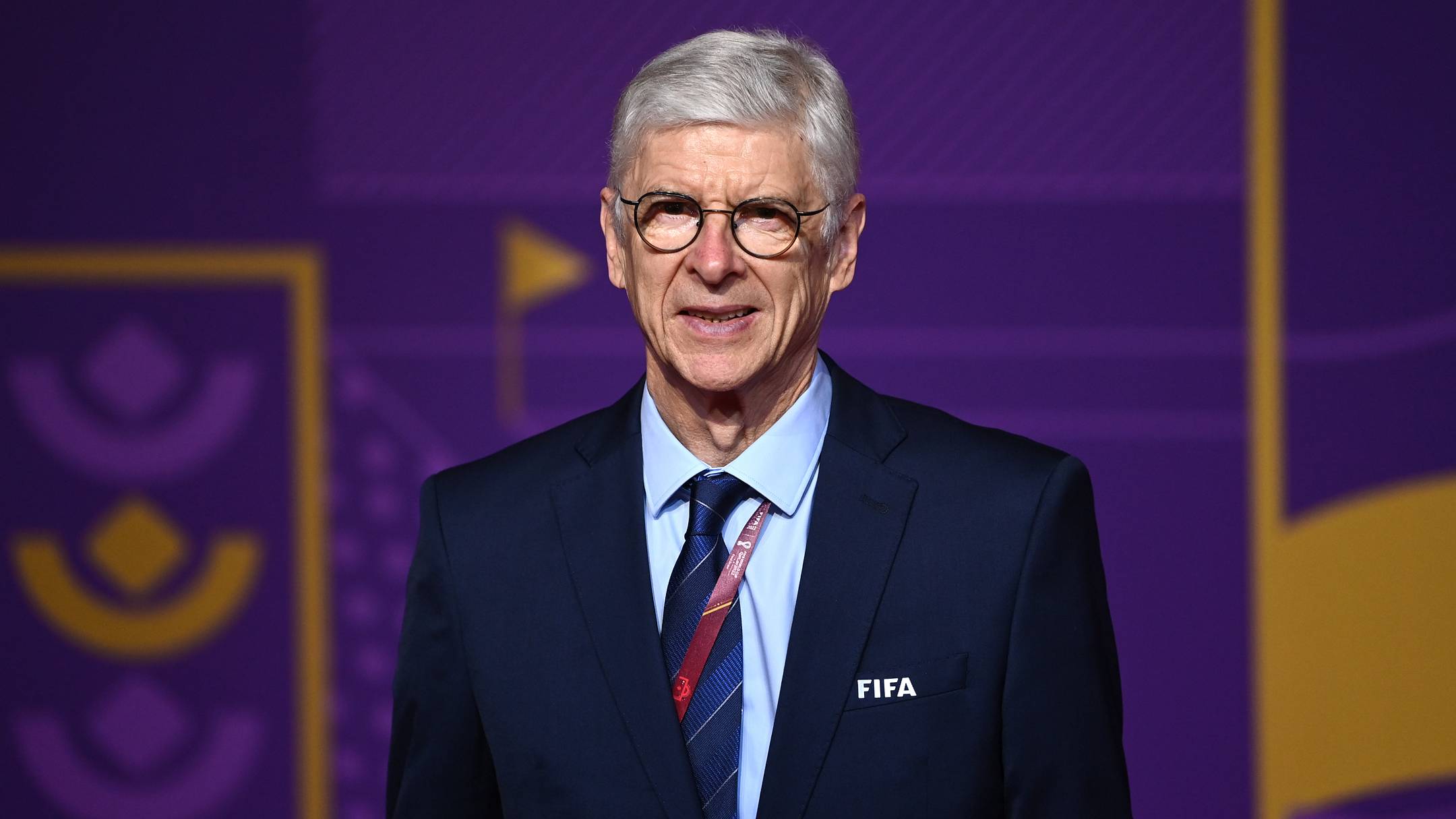
Arsene Wenger is giving serious thought to standing against Gianni Infantino in FIFA's presidential election — a move that would turn a coronation into a genuine contest for the most powerful job in world football.
The former Arsenal manager, 77, has been FIFA's chief of global football development since 2019. As BBC Sport reports, senior figures in European football have spent weeks hoping the Frenchman would run, and he is now weighing it up ahead of the deadline for candidates on 18 November.
Sources close to Wenger say he has yet to decide, and that they still believe Infantino would be favourite to win a fourth and final term at next year's election. But the fact that a man who has worked inside Infantino's FIFA for seven years is even considering a challenge tells its own story about the crisis gripping the president's leadership.
Why Wenger, and why now
Infantino's position was plunged into crisis by the backlash to his failed plan to sell commercial stakes in the World Cup to private investors through FIFA Forward Enterprise. The plan was abandoned, but the questions never went away — UEFA's 42 questions for Infantino, and its demand for the documents behind the sell-off, remain unanswered in public, with FIFA this month saying council members can view "key documents" only at its Zurich base and under "strict protocols".
Wenger, traditionally loyal to Infantino, publicly distanced himself from the aborted plot in August. "I was not involved in this strategic plan and first became aware of the project through media reports," he said. "The decision to withdraw the project was absolutely necessary and beyond question, because I firmly believe in an independent FIFA that serves our game with commitment, transparency and integrity."
That statement now reads like the outline of a campaign platform. Wenger would have the backing of UEFA, which has spearheaded the opposition to Infantino, and he carries credibility in every corner of the game. The Press Association notes, however, that he is not yet seen as UEFA's preferred candidate, with others still being evaluated — and European football's leaders are expected to hold further meetings this week before settling on who gets their support.
Some senior figures have told BBC Sport they would even be happy for Wenger to win the election and then stand down before serving a full four-year term — a remarkable position that underlines how much of this is about stopping Infantino rather than building a long Wenger era.
The race Wenger would be joining
Wenger would not be the first name in the field. Former Tottenham defender Ramon Vega was the first person to put his name forward, back in October. Kozo Tashima, the 68-year-old honorary president of the Japan Football Association, has also announced his intention to stand.
Any candidate needs the formal support of five member federations and must pass an eligibility check before reaching the ballot. The election itself takes place on 18 March at the FIFA Congress in Rabat, Morocco, where FIFA's 211 member federations will vote.
The electoral maths is the hard part. Infantino retains strong support in South America, Africa and Asia, and recently insisted he has the backing of the "vast, vast majority" of world football. AFC's public backing for Infantino in Tokyo last month underlined the scale of the task, and all 54 African associations have also backed him after he promised an increase in funding.
So what happens next?
Everything now turns on the next eight days. If Wenger declares before 18 November, UEFA finally has a challenger with the profile to make federations outside Europe think twice — and his history matters there. Wenger was a famous champion of African players during his Arsenal years, and his support for an expanded 48-team World Cup, designed to drive development beyond the game's traditional powers, has been well received in Africa, the very continent Infantino is counting on.
If he stays out, the field stays thin, and Infantino's route to a fourth term looks close to clear despite the worst year of his presidency.
Wenger has not been a stranger to controversy inside FIFA — his biennial World Cup proposals and the "daylight" offside law both drew fierce pushback — but nobody doubts that he understands how the organisation works from the inside. That is precisely what makes him dangerous to the man he currently works for.
Beyond the Final Whistle: Infantino survived the sell-off scandal because his opponents had anger but no candidate. Wenger changes that equation overnight. A 77-year-old who some backers openly see as a one-term bridge is an imperfect challenger — but he is the first with the standing, the UEFA machine and the African goodwill to make March a real election rather than a re-coronation. The next eight days will tell us whether he wants the fight.
Would Wenger beat Infantino if he stands — and should a 77-year-old be running world football? Have your say in the comments.