Arsenal transfer window analysis: The Premier League champions strengthened their midfield and defence this summer, but the departures of Gabriel Jesus and Ethan Nwaneri — with Gabriel Martinelli potentially following — have raised serious questions about Mikel Arteta’s attacking depth.
Category: Premier League | Opinion
Published: September 3, 2026
By Abiodun Adewale Adeniyi | Founder & Editor, Beyond the Final Whistle
September 3, 2026 | Premier League | Opinion
Arsenal entered the summer transfer window from a position of strength.
They were Premier League champions, possessed one of England’s strongest squads and had an opportunity to reinforce Mikel Arteta’s team for another demanding campaign at home and in Europe.
There were significant additions.
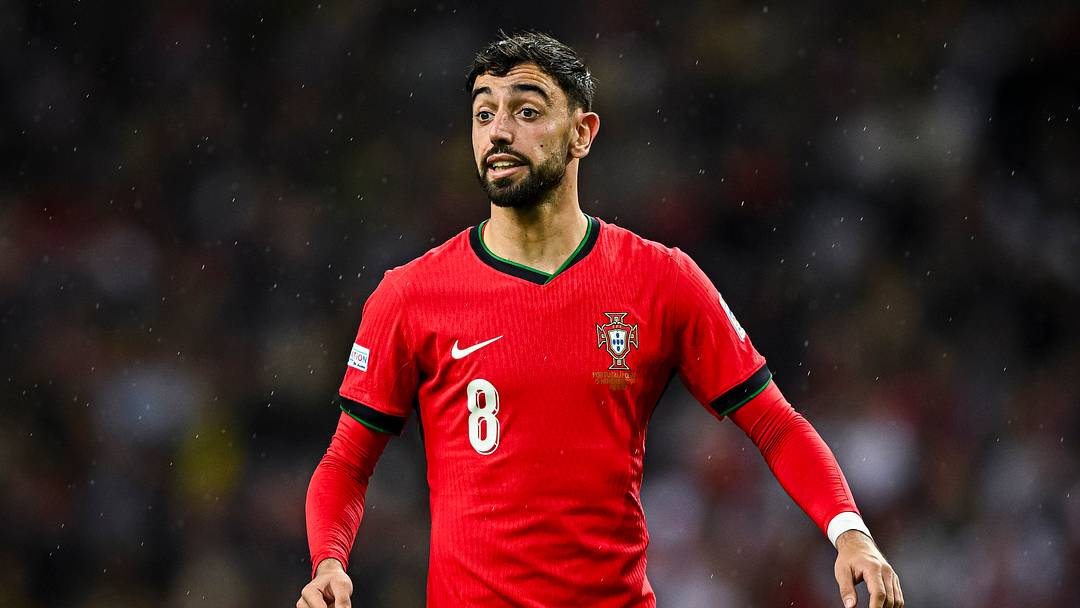
Bruno Guimarães strengthened an already formidable midfield. Ezri Konsa provided important defensive reinforcement, while Christos Tzolis added another option in the attacking areas.
Yet when the English transfer window closed on September 1, one question remained impossible to ignore:
Have Arsenal left themselves dangerously short in attack?
Gabriel Jesus has joined Barcelona. Ethan Nwaneri has moved to Borussia Dortmund on loan. Gabriel Martinelli could still depart for Saudi Arabia.
And Arsenal did not sign another major attacker before the Premier League deadline.
For a team attempting to defend its title and challenge for the Champions League, that decision represents a considerable gamble.
Arsenal Transfer Window Leaves Major Attacking Questions
Arsenal’s summer should not be described as unsuccessful.
The club strengthened important areas of the squad and avoided spending simply for the sake of making deadline-day headlines.
But their attacking situation changed considerably during the final days of the window.
Barcelona officially confirmed the signing of Gabriel Jesus on September 1, with the Brazilian agreeing a contract through June 2029.
Jesus had endured difficult periods at Arsenal, particularly because of injuries, but his departure still removed an experienced and tactically flexible forward from Arteta’s squad.
Then came Ethan Nwaneri.
Arsenal officially confirmed that Nwaneri had joined Borussia Dortmund on loan for the remainder of the 2026/27 season.
The loan could prove excellent for the young English attacker if regular Bundesliga football accelerates his development.
From Arsenal’s perspective, however, it removes another creative attacking option.
According to The Guardian’s analysis of Arsenal’s transfer window, Arteta’s side allowed both Jesus and Nwaneri to leave without signing replacements before the English deadline.
That is where the concern begins.
Gabriel Martinelli Could Make the Situation Even More Complicated
There is another important factor.
Gabriel Martinelli’s future remains uncertain because the Saudi Arabian transfer window remains open.
The Brazilian has been linked with Al-Hilal, and a potential departure would reduce Arsenal’s attacking options even further.
Martinelli has not always reproduced the explosive form that made him one of the Premier League’s most exciting wide forwards earlier in his Arsenal career.
But his pace remains valuable.
He can stretch defensive lines, attack space behind full-backs and provide a different threat when Arsenal need to turn a match around.
Losing him after already allowing Jesus and Nwaneri to depart would leave Arteta with significantly less attacking flexibility than he possessed entering the summer.
That is a dangerous position for a club competing across multiple competitions.
Arsenal Tried to Land a Superstar — But Couldn’t Finish the Deal
The lack of another attacking signing was not necessarily because Arsenal lacked ambition.
They explored some enormous possibilities.
Julián Álvarez emerged as a major target during the final stages of the window.
The Guardian reported that Arteta personally attempted to persuade Álvarez to join Arsenal, but the Argentina international preferred Barcelona and ultimately remained at Atlético Madrid.
That story has since reached its immediate conclusion.
As we covered in our recent analysis of Julián Álvarez’s decision to remain at Atlético Madrid, Atlético successfully resisted the pressure surrounding their striker and kept one of their most important players.
Arsenal were also linked with other high-profile attacking targets during the summer.
But when those deals became unrealistic, the champions ultimately decided not to force an alternative signing.
That may prove disciplined.
It may also prove costly.
Gabriel Jesus Wasn’t Perfect — But Arsenal Have Lost Something
There will be Arsenal supporters who argue that Gabriel Jesus was no longer essential.
That argument has merit.
His availability had become a problem and Arsenal had developed other attacking solutions.
But squad depth is not simply about identifying the strongest starting XI.
It is about surviving a season.
Jesus could operate centrally or from wider positions. He understood Arteta’s tactical demands and had experience competing for major trophies.
Barcelona clearly believed he still had something significant to offer.
The Catalan club handed him a three-year contract after completing his transfer from Arsenal.
We previously examined the move in our Gabriel Jesus Barcelona transfer analysis, and from the player’s perspective, it represents an opportunity to rebuild his career in Spain.
For Arsenal, however, his departure becomes more significant because no direct replacement arrived.
One departure can be absorbed.
Several departures can alter the structure of a squad.
Ethan Nwaneri’s Loan Makes Sense — In Isolation
The decision to loan Nwaneri also deserves some context.
Young players need minutes.
Sitting on Arsenal’s bench every week would not necessarily have been better for his development than playing regularly for Borussia Dortmund.
Dortmund have a strong reputation for developing young attacking talent, making the Bundesliga move potentially valuable.
We analysed that opportunity in our full piece on Ethan Nwaneri’s Borussia Dortmund loan.
The problem is not necessarily Nwaneri leaving.
The problem is Nwaneri and Jesus leaving at the same time without another attacker arriving.
If Martinelli also departs, the calculation becomes even more questionable.
Arsenal Are Betting Heavily on Bukayo Saka Staying Fit
This brings us to perhaps the biggest concern.
Bukayo Saka remains central to Arsenal’s attack.
When fit and firing, he is capable of deciding the biggest matches.
But Arsenal cannot build an entire season around the assumption that their most important attackers will always be available.
The Premier League is demanding enough.
Add Champions League football, domestic cups and international commitments and the physical burden becomes enormous.
Arteta himself has consistently valued having multiple options across his squad.
That makes the decision not to reinforce the forward line particularly interesting.
Arsenal still possess attacking quality.
Christos Tzolis can operate from the left. Eberechi Eze provides creativity and flexibility. Viktor Gyökeres gives Arsenal a recognised central striker, while Kai Havertz can operate in advanced positions when required.
The question isn’t whether Arsenal have good attackers.
They clearly do.
The question is whether they have enough different attacking options to survive injuries, poor form and fixture congestion.
Manchester City’s Transfer Window Makes Arsenal’s Gamble Look Bigger
Arsenal’s decisions cannot be viewed entirely in isolation.
Their biggest domestic rivals were extremely aggressive.
Manchester City completed a staggering summer rebuild, including the British record-equalling £125 million signing of Enzo Fernández from Chelsea.
Reuters reports that City spent approximately £458 million during a Premier League summer in which total spending reached a record £3.46 billion.
Reuters’ breakdown of the Premier League’s record transfer spending highlights the scale of City’s investment, which also included major moves for Elliot Anderson and Iliman Ndiaye.
Beyond the Final Whistle has already examined two important pieces of City’s rebuild: Enzo Fernández’s £125 million Manchester City transfer and Iliman Ndiaye’s move to Manchester City.
That contrast matters.
City have aggressively reshaped their squad.
Arsenal have largely chosen continuity after strengthening selected positions.
Only one strategy can ultimately be vindicated.
Could Arsenal’s Patience Actually Be Smart?
There is another side to this argument.
Transfer windows create pressure to spend.
When supporters see rivals signing expensive players, every club that remains quiet can appear to be falling behind.
But expensive does not automatically mean better.
Arsenal already had a title-winning squad.
Adding Bruno Guimarães, Konsa and Tzolis without disrupting the core of the team could ultimately prove more effective than making another enormous signing simply because the deadline was approaching.
There is also value in preserving opportunities for players already at the club.
Eze could receive a bigger attacking role.
Young players such as Max Dowman could eventually benefit from additional opportunities.
And if Arsenal remain competitive until the next window, they can reassess the market rather than committing huge money to a player who was not among their preferred targets.
That is the optimistic interpretation.
But it requires Arsenal’s key attackers to remain available.
The Real Test Will Come When Injuries Arrive
Every squad looks deep when everybody is healthy.
The real test comes in November, December and January.
A Champions League match arrives in midweek.
A difficult Premier League fixture follows three days later.
One winger is injured.
Another attacker needs rest.
Suddenly, squad depth stops being an abstract discussion.
That is when Arsenal will discover whether their summer gamble was calculated or reckless.
Arteta has built a team capable of winning major trophies.
But defending the Premier League title could be even more difficult than winning it.
Manchester City have spent heavily to close the gap. Chelsea and Tottenham have also invested substantially, while other Premier League clubs have strengthened.
Arsenal cannot afford many weaknesses.
And attacking depth may now be their most obvious one.
Final Whistle
The Arsenal transfer window was not a failure.
Bruno Guimarães strengthens the midfield. Ezri Konsa adds defensive quality. Christos Tzolis gives Arteta another attacking option.
But the final days of the window changed the equation.
Gabriel Jesus is gone.
Ethan Nwaneri is in Dortmund.
Gabriel Martinelli could still leave.
And the superstar forward Arsenal wanted never arrived.
Perhaps Arteta knows his squad better than anybody else and believes the existing options are sufficient to defend Arsenal’s Premier League crown.
Perhaps the decision to avoid a panic signing will eventually look intelligent.
But if injuries hit Arsenal’s forward line during the most demanding months of the season, supporters may look back at September 1 and ask why the champions didn’t act.
For now, Arsenal have placed their bet.
The Premier League champions are betting that continuity can beat Manchester City’s spending power.
Whether that gamble succeeds could help decide who lifts the trophy at the end of the season.
What do you think? Did Arsenal make the right decision by refusing to panic-buy, or should Arteta have demanded another attacker before the transfer window closed?