The Africa Cup of Nations will remain a biennial tournament after CAF's Executive Committee voted unanimously on Thursday to tear up its own plan to move the competition to a four-year cycle — a U-turn that ends months of backlash across the continent.
CAF confirmed the reversal in a statement on Thursday, announcing that the Executive Committee had "unanimously decided that the CAF Africa Cup of Nations will return to taking place every two years." The decision, reported by Reuters, reverses the surprise announcement last December that AFCON would become a quadrennial event, with a new African Nations League taking over as the continent's biennial competition.
Why CAF changed its mind
The heart of the U-turn is money. CAF admitted that the proposed African Nations League — designed to mirror the current AFCON and also run every two years — would need several years before it could generate the substantial financial resources African football needs to be globally competitive and self-supporting. Rather than gamble the continent's finances on an unproven competition, the Executive Committee chose the tournament that already works.
President Patrice Motsepe, who had signalled at CAF's strategy conference in Cape Verde earlier this month that the four-year plan would be revisited, said the decision was taken to advance, protect and promote the interests of African football, CAF's 54 member associations, and African players employed by clubs outside the continent. As TNT Sports reported, Motsepe described the AFCON as "a celebration of African football, as well as the richness and diversity of our continent's cultures, customs and traditions."
The original four-year proposal had drawn significant criticism from national associations, who raised concerns about the impact on their teams' visibility and commercial prospects. The tournament has been held every two years since 1968, apart from a one-year shift between the 2012 and 2013 editions.
The new calendar — with honest gaps
The next AFCON takes place in 2027, co-hosted by Kenya, Tanzania and Uganda, with subsequent editions scheduled for 2028, 2031 and 2033. There will be no tournament in 2030, because CAF maintains the tradition of not staging AFCON in a World Cup year. So while the two-year cycle is restored in principle, the actual calendar in that stretch is irregular — a point worth stating plainly rather than pretending the rhythm is perfectly biennial.
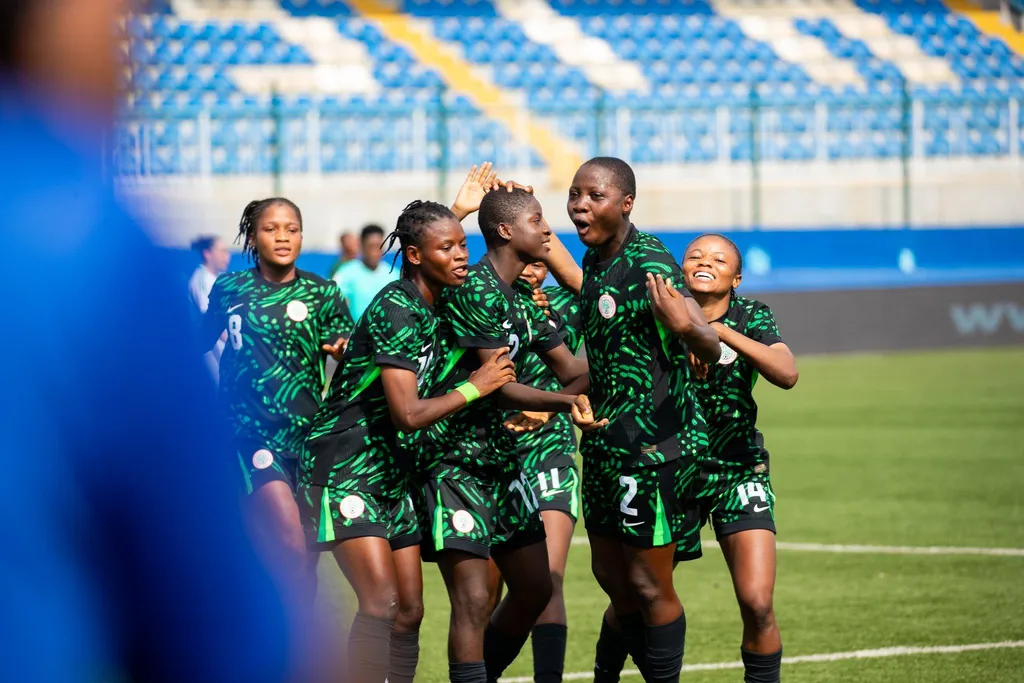
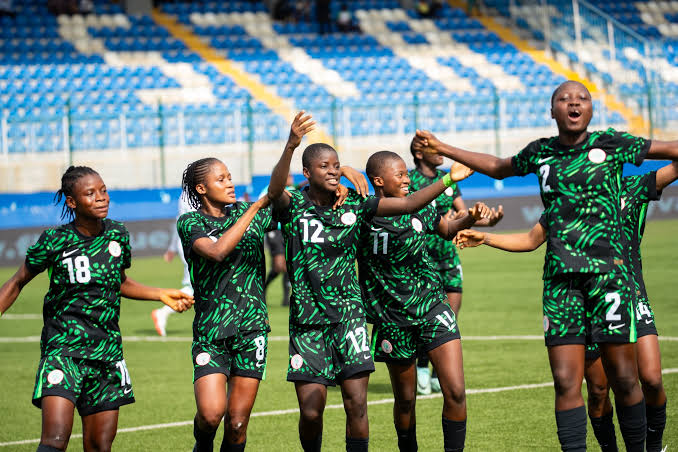
African football's club game, meanwhile, continues to throw up its own storylines: our coverage of the CAF Champions League draw asked where Nigeria's clubs have gone, and at youth level the Nigeria Flamingos' run to the U-17 Women's World Cup quarter-finals is a reminder of the talent pipeline the senior tournament exists to showcase.
So what does the U-turn mean?
For players, it means the rhythm they know is preserved: a major tournament every two years, with all the visibility and leverage that brings. For federations, it protects the commercial heartbeat of African football — AFCON income underwrites development across the continent in a way an untested Nations League could not yet guarantee. And for fans, it keeps the continent's defining football festival at the centre of the calendar rather than diluting it.
Beyond the Final Whistle verdict: this is the right call, and CAF deserves credit for admitting the four-year plan was a mistake rather than defending it. The Nations League idea was not foolish — but you do not dismantle a proven, beloved tournament to fund an experiment. AFCON stays every two years, and African football is stronger for it. Do you agree with CAF's U-turn, or should AFCON have gone to four years like the World Cup? Have your say in the comments.