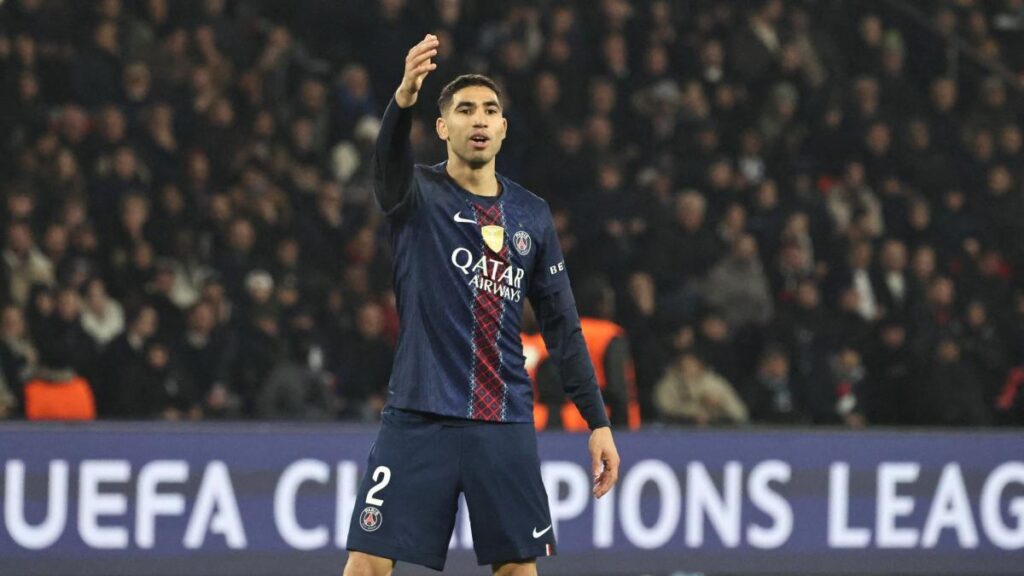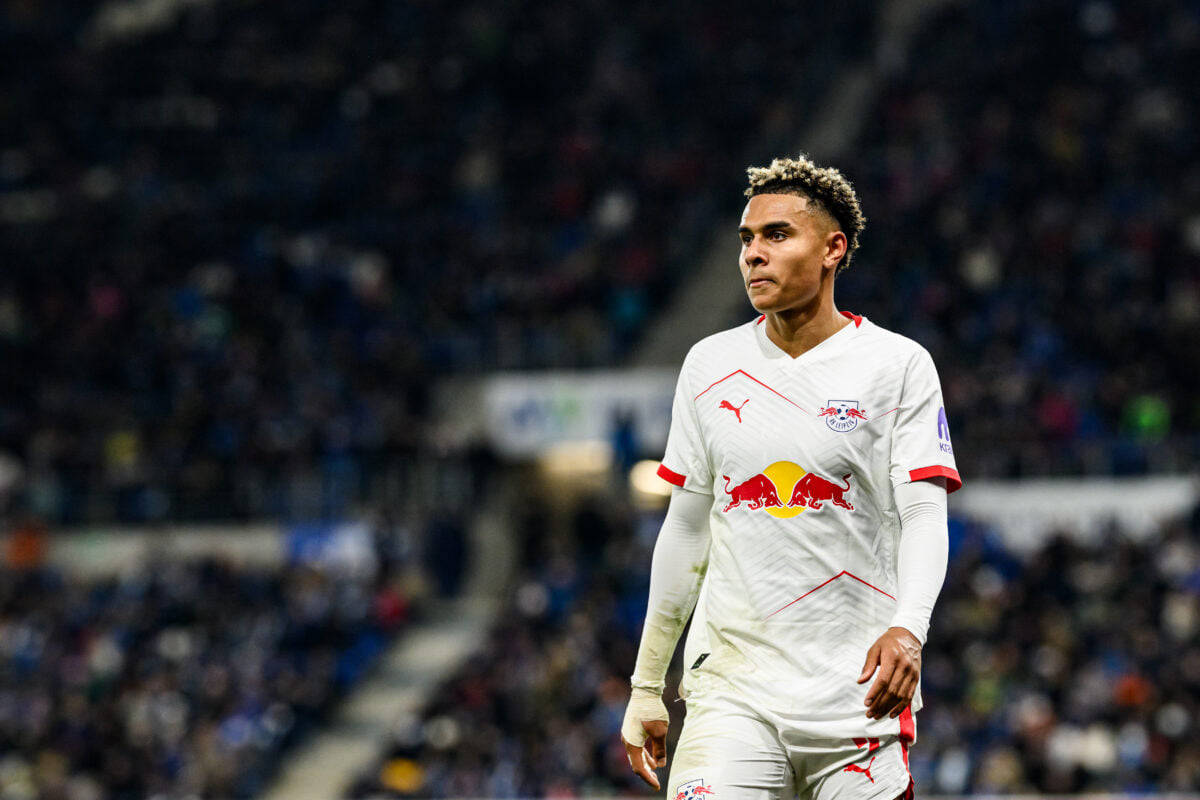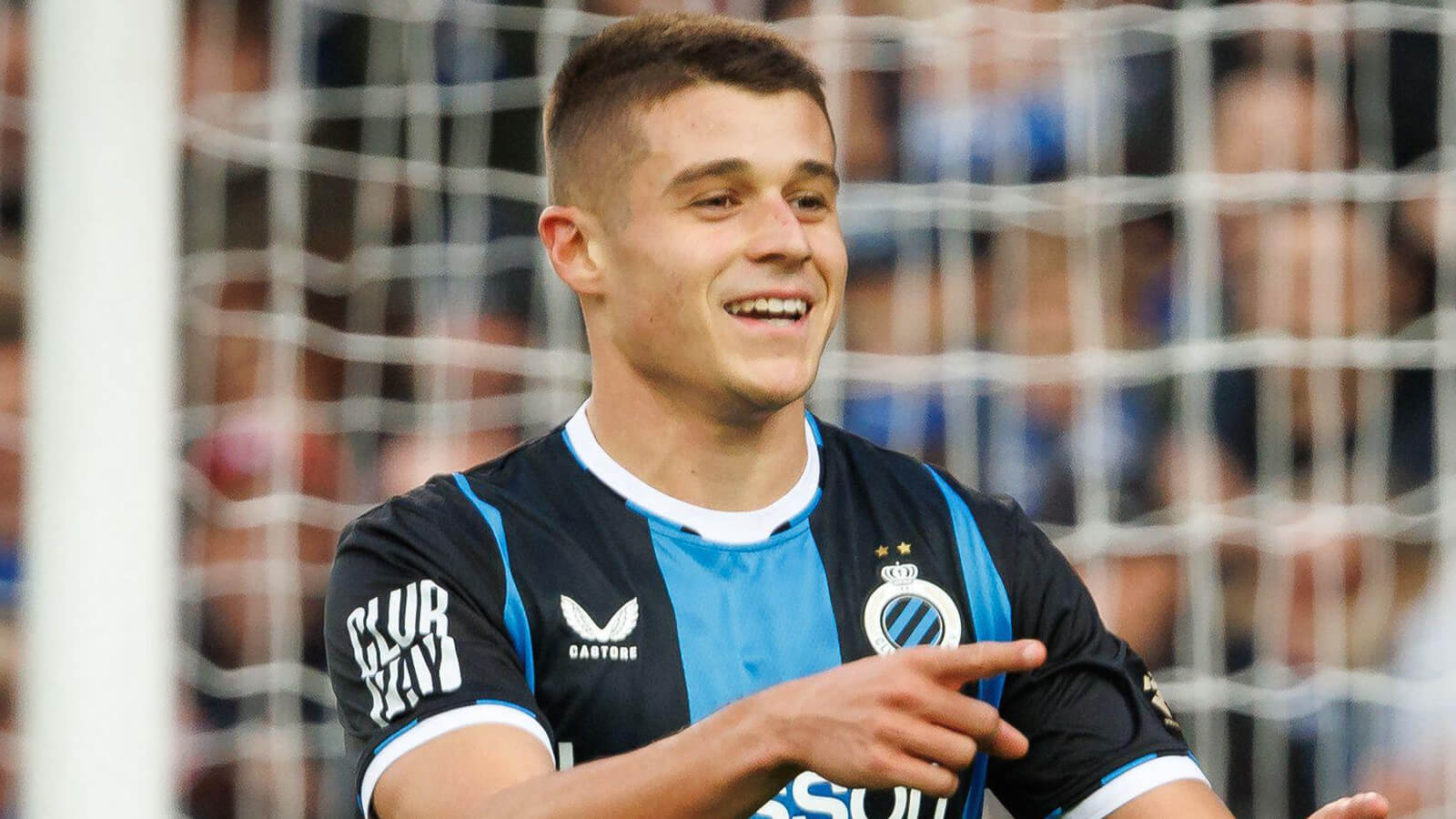

Three numbers tell the story of the summer of 2026 in France. Ligue 1 clubs spent €611.6 million on new players. They brought back €1.35 billion in sales, a record for French football. And the league finished the window €736.45 million in profit — the biggest surplus of any league in Europe's Big Five, in a window headlined by Bradley Barcola's €145 million package move from Paris Saint-Germain to Liverpool, the most expensive sale in Ligue 1 history.
This is the complete final account of that window: every one of the 18 clubs ranked by net spend, the biggest deals, the smartest sellers, and what the money means now that the season it was spent on is under way. The club-by-club figures below are drawn from Transfermarkt's record of the summer 2026 Ligue 1 window, whose 18 club rows total €611.60 million spent and €1,348.05 million recouped. They cross-check against Football Benchmark's Big Five analysis, which also had Ligue 1 posting a record surplus, at €730 million on its methodology, while Sky Sports' Opta-based count put French gross spending at £496.2 million with a £600.8 million collective profit. The gaps between providers are methodology, not mystery: add-ons, loan fees and loans made permanent are counted differently by everyone, and every figure in this article is on the reported-fee basis.
The full table: all 18 clubs ranked by net spend
Gross spending makes headlines, but net spend — what a club spent minus what it brought in — is the table that explains the window. On reported fees, this table has no equivalent anywhere in Europe: only three of the 18 clubs were net buyers at all, and the league's biggest net spender, Paris FC, spent less net than the Premier League's tenth-biggest. At the other end, PSG, Lille and Strasbourg each banked profits above €100 million.
| Club | Spent | Sold | Net spend |
|---|---|---|---|
| Paris FC | €79m | €6.8m | +€72.2m |
| AJ Auxerre | €17.6m | €9.75m | +€7.85m |
| Le Mans FC | €1m | €0m | +€1m |
| Le Havre AC | €1.5m | €2.5m | −€1m |
| Stade Brestois 29 | €2m | €3.9m | −€1.9m |
| FC Lorient | €4.85m | €16.4m | −€11.55m |
| Angers SCO | €2.25m | €25.25m | −€23m |
| ESTAC Troyes | €4.2m | €31.15m | −€26.95m |
| Olympique Lyon | €30.6m | €70.6m | −€40m |
| RC Lens | €27m | €71.2m | −€44.2m |
| OGC Nice | €1.7m | €46.75m | −€45.05m |
| Olympique Marseille | €40.1m | €90m | −€49.9m |
| FC Toulouse | €21.5m | €72.8m | −€51.3m |
| AS Monaco | €48m | €106m | −€58m |
| Stade Rennais FC | €36.8m | €96.7m | −€59.9m |
| RC Strasbourg Alsace | €99.4m | €200.85m | −€101.45m |
| LOSC Lille | €42.1m | €164m | −€121.9m |
| Paris Saint-Germain | €152m | €333.4m | −€181.4m |
Read the table from both ends. At the top, Paris FC's €72.2 million net spend is the story of ambition: the capital's second club spent €79 million, more than Monaco, Marseille and Lyon combined on the net measure, and sold almost nobody. At the bottom, PSG's €333.4 million of income was the highest of any club outside England this summer, and Lille's €121.9 million profit was built on just two headline sales. Compare the shape of this table with the Premier League's £3.48 billion summer, where 14 clubs were net buyers, and the difference between the two leagues stops being about money and starts being about survival.
Gross spending tells a different story
Rank the same window by money out the door, ignoring sales, and the familiar hierarchy returns. Paris Saint-Germain were Ligue 1's biggest gross spenders at €152 million — and even that figure is a study in replacement rather than expansion: almost all of it went on three forwards, Mika Godts from Ajax, Maghnes Akliouche from Monaco and Ferran Torres from Barcelona, signed for a combined sum in the region of €150 million to rebuild an attack that the same window dismantled. Strasbourg followed at €99.4 million, the second-highest gross in France, and Paris FC were third at €79 million.
Strasbourg's line is the window in miniature. The Alsace club spent more than Monaco and Marseille put together, yet still finished €101.45 million in profit, because €200.85 million came back in — including €30 million from Bayer Leverkusen for Guéla Doué, a deal that appears from the buying side in our Bundesliga spending breakdown. Nice spent just €1.7 million all summer and sold €46.75 million worth of players; Angers spent €2.25 million and sold €25.25 million. In France in 2026, the gross ranking and the net ranking do not merely differ — they describe two different leagues sharing one table.
The biggest deals of the summer
Ligue 1's window was defined by sales, and by one club's squad being picked apart at record prices: five of the seven biggest fees below involved players leaving France, and three of them involved PSG alone. The headline deals, ranked by fee, were:
Bradley Barcola, Paris Saint-Germain to Liverpool — €125 million plus €20 million in add-ons. The €145 million package is a Ligue 1 record for a player sold abroad, and neither club's official statement put a number on it: the guaranteed €125 million (£106 million) and the €20 million ceiling were reconstructed by Sky Sports and the French press from the same reporting. Barcola, signed from Lyon for around €45 million in 2023, became the centrepiece of Liverpool's post-Salah attack and of PSG's record income.
Ayyoub Bouaddi, LOSC Lille to Manchester City — €95 million plus €5 million in add-ons. The African story of the French window, and one of the biggest of the whole European summer. The 18-year-old Morocco international, who started five matches at the 2026 World Cup as the Atlas Lions reached the quarter-finals, became the most expensive teenager in Premier League history, Lille's record sale, and — at a €100 million package — the first Ligue 1 export to reach nine figures before Barcola's deal overtook it days later. Our La Liga spending breakdown shows the league at the other end of this market, where even Real Madrid's record buy was a player France's neighbours had developed.
Gonçalo Ramos, Paris Saint-Germain to AC Milan — €74 million. Milan's club-record signing was PSG's second-biggest sale of the summer, recorded at £63.5 million in England and €74 million on the reported-fee basis used in our Serie A spending breakdown, where the buying side of the same deal tops Italy's table.
Jérémy Jacquet, Stade Rennais to Liverpool — €60 million plus €10 million in add-ons. Agreed in February for a summer move, the 20-year-old centre-back became Rennes' record sale, surpassing even Ousmane Dembélé and Désiré Doué — two more products of the same academy conveyor belt.
Mika Godts, Ajax to Paris Saint-Germain — €45 million plus €10 million in add-ons. The biggest signing into Ligue 1 this summer on a package basis: Ajax put the total at €55 million including bonuses for the 21-year-old Belgian winger, who had just produced a 17-goal, 15-assist Eredivisie season.
Maghnes Akliouche, AS Monaco to Paris Saint-Germain — €50 million. The biggest fee paid between two Ligue 1 clubs this summer, for the France international Monaco had developed since he was 15. Ferran Torres, Barcelona to Paris Saint-Germain — around €50 million, completed PSG's three-man attacking rebuild: the World Cup final's extra-time hero for Spain, reunited with Luis Enrique and handed the No. 9 shirt. Below that line came Randal Kolo Muani's permanent move from PSG to Juventus and Kang-in Lee's switch from PSG to Atlético Madrid, reported in a €35–40 million range — even PSG's fringe was worth a fortune.
The selling league: a TV crisis, a record surplus and only three buyers
Every league in Europe's Big Five has a role in the market, and France's is now written in its broadcast contracts. The collapse of Ligue 1's television income — the modest returns of the LFP's own Ligue 1+ platform, the departed beIN Sports slot and DAZN compensation, and DNCG figures showing a €1.4 billion operating loss before transfers at June 2025 — has turned selling from a strategy into a condition of existence. This summer it produced numbers no French window has approached: €1.35 billion of sales, a €736.45 million surplus on Transfermarkt's club-by-club count, and a league in which 15 of 18 clubs finished in profit.
What makes 2026 different is who did the selling. PSG, backed by QSI and fresh from back-to-back Champions League titles, did not need the money — and still sold €333.4 million worth of players, more than the entire bottom half of the table spent and sold combined, banking a €181.4 million profit while remaining, by common consent, the strongest squad in the country. Lille sold Bouaddi and Matias Fernandez-Pardo, the latter to Newcastle in a deal reported at around €60 million, and turned €42.1 million of spending into €164 million of income. Strasbourg ran the BlueCo development model at full tilt in both directions. The exception proves the rule: Paris FC, the one club spending like a Premier League side, are the one club whose ownership has decided the way up is to buy first and sell later. Everyone else in France now develops, showcases and exports — brilliantly, profitably, and with no obvious alternative.
How the record was built, year by year
This surplus was years in the making. Football Benchmark's five-window view shows Ligue 1's net position swinging from the modest deficits of the early 2020s into a €452 million surplus in the summer of 2025, then nearly doubling again to €730 million in 2026 on its count — €736.45 million on the club-by-club sums used here. ESPN, working from the same Transfermarkt base, put the league's five-year surplus above €1 billion, with almost the entire 2026 figure explained by one trade route: Premier League clubs paid Ligue 1 sides €684.8 million more than they received in return.
The individual records fell in sequence. For a decade, the benchmark sale out of France was a superstar leaving PSG; in 2023 Neymar's €90 million move to Al-Hilal set the mark for a Ligue 1 export. In the space of one August week in 2026, that record was beaten twice — first by an 18-year-old midfielder from Lille, then by Barcola's €145 million package — and neither buyer was a state-backed outlier: they were the Premier League's first and third-biggest net spenders, shopping in France because France is where the finished young players are. The league that produced both record exports did not keep either of them. That sentence has been true of French football for years; this window simply priced it.
What the spending means for the rest of the season
Three consequences follow. The first is competitive, and it is the uncomfortable one: a league that sells €1.35 billion of talent in one summer should get weaker, yet the early evidence says the machine is keeping pace — PSG, rebuilt around Godts, Akliouche and Torres, sit at the top of Ligue 1 again, and Lille and Strasbourg remain in the European places with squads their sales were supposed to strip. The development pipeline is, for now, refilling faster than the market can drain it. The second consequence is Paris FC: €72.2 million of net spend has bought the capital a genuine second power, and a Paris derby with real stakes is the one product French football's fragile broadcast market has never had to sell. The third is January. Fifteen clubs are sitting on profits and a television deal that still does not pay the bills; history says the winter window in France will be another export fair, not a spending spree, unless a Champions League race tempts one of the sellers to keep a star for six more months.
If you want the longer view of where the players France sells end up, our ranking of the greatest Champions League players of all time is full of careers that passed through Ligue 1 academies on their way to the top — the league's real trophy cabinet is scattered across Europe's biggest stadiums.
Beyond the Final Whistle: a €736 million surplus will be reported as a crisis, and the television numbers say the crisis is real — but read the table again and a colder truth appears. France did not sell because its football failed; it sold because its football works too well for a domestic market too small to keep it. PSG banked €181 million and stayed champions-elect, Lille turned two teenagers into €160 million, and the league's only true spender was its newest rich club. Ligue 1 is not Europe's poor relation. It is Europe's factory — and in the summer of 2026, the factory had its best year ever, which is precisely the problem.
So here is the question for French football's fans: is a record surplus a triumph to celebrate, or should a league that sells Barcola and Bouaddi in the same month be asking what it is actually for? Have your say in the comments.