
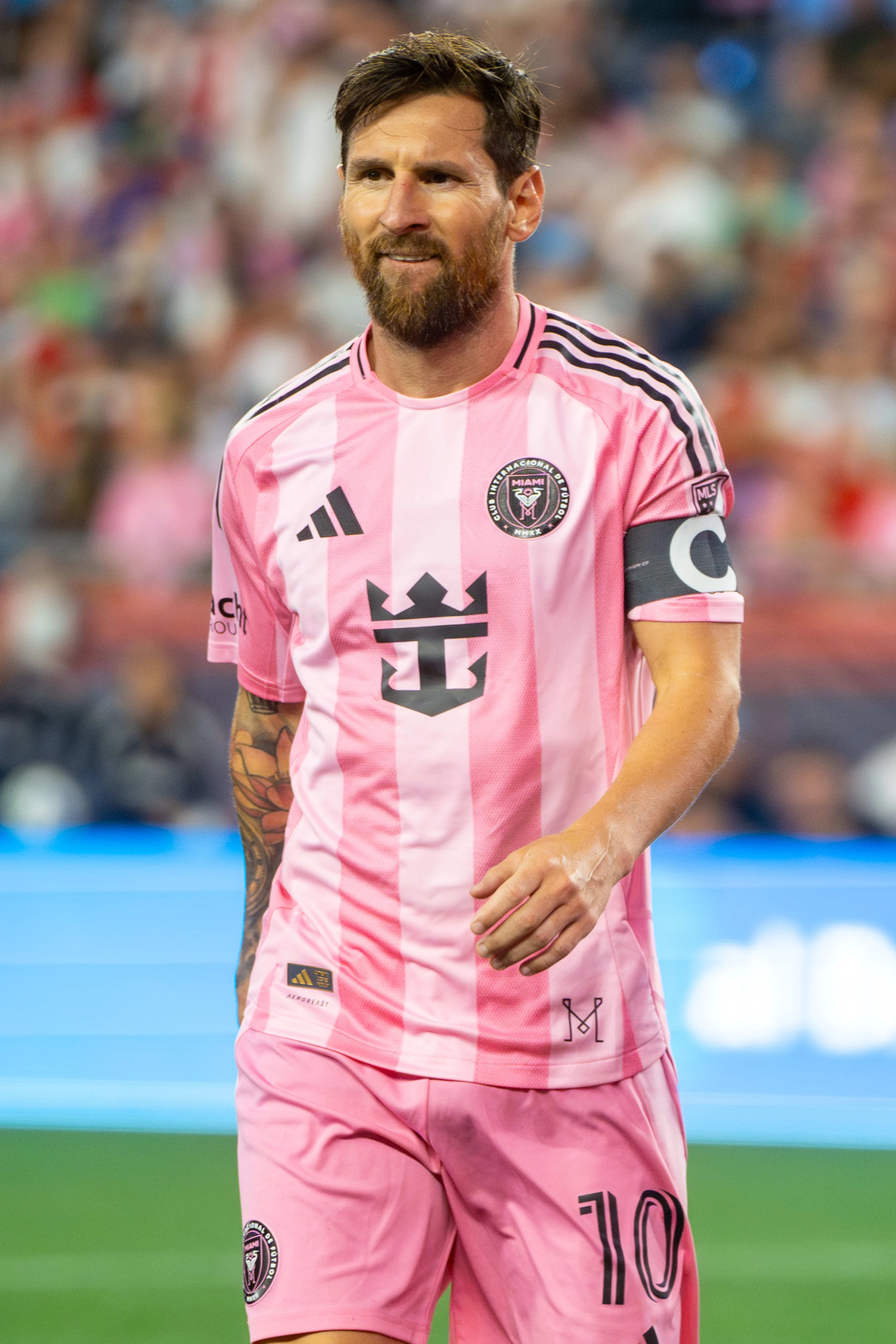
Lionel Messi has moved from defining Spanish football on the pitch to shaping it from the boardroom after CD Eldense confirmed his takeover of the historic Spanish club.
Category: Spanish Football
Published: October 2, 2026
By Abiodun Adewale Adeniyi | Founder & Editor, Beyond the Final Whistle
1. Messi Is Back in Spanish Football — in a Different Role
Lionel Messi’s connection with Spanish football has entered a new phase.
CD Eldense announced on its official website that Messi has acquired the club, describing the move as the start of “a new and exciting stage” in more than 100 years of institutional history.
The transaction is still pending approval from Spain’s Higher Sports Council, known as the CSD, but the message from Eldense is clear: one of football’s greatest names is now attached to one of Spain’s most intriguing second-division projects.
2. Why CD Eldense Makes This Story Interesting
This is not Messi buying into a global giant.
Eldense were founded in 1921 and are based in Elda, in Alicante province. They compete in Spain’s second tier, where the demands are unforgiving and the margins between survival, stability and promotion can be narrow.
Reuters reported that Messi has become the club’s majority owner after acquiring shares held by the previous majority shareholder, a Colombian investment group. Reuters also noted that Eldense are sitting 19th in the Segunda Division after four defeats in seven matches.
That makes the timing important. Messi’s name brings attention immediately, but Eldense need structure, recruitment, patience and credibility more than headlines.
3. This Is Part of Messi’s Bigger Post-Playing Future
Messi is still an Inter Miami player, and his on-field story is not finished. On Beyond the Final Whistle, we recently covered how Messi reached 929 career goals and 49 trophies, another reminder that his playing career continues to produce historic numbers.
But the Eldense move points to something different.
Messi is building a football footprint beyond matchdays. Anadolu Agency reported that this is his second investment in Spanish football this year after UE Cornella, while also noting that the financial terms of the Eldense deal were not disclosed.
For Messi, Spain is not just a memory of Barcelona greatness. It may become the centre of his ownership identity.
4. What Could Change for Eldense Supporters?
The first change is visibility.
Eldense will now attract attention far beyond their usual audience. Sponsors, young players, agents and international fans will look at the club differently because Messi’s name changes the conversation.
But attention alone does not win matches.
Eldense’s official announcement spoke about long-term sporting, institutional and social development while preserving the club’s roots, history and blue-and-red identity. That language matters because supporters will want growth without feeling that their club has become only a celebrity project.
The next challenge is practical: improve the football operation, stabilise the season and make sure the ownership transition gives the team clarity rather than distraction.
5. Why This Story Goes Beyond Eldense
Messi’s takeover matters because it shows how football’s greatest modern stars are moving into ownership while their playing legacies are still fresh.
We have already looked back at Messi’s Argentina legacy and major honours. Now another legacy question is beginning: what kind of club builder will Messi become?
If Eldense grow carefully, this could become one of the most fascinating ownership stories in Spanish football. If they struggle, it will remind everyone that even the biggest name in the sport cannot replace planning, recruitment and results.
Beyond the Final Whistle, Lionel Messi’s move into CD Eldense is not simply a celebrity investment. It is the beginning of a new football test: whether one of the greatest players the game has ever seen can help build a lasting project from the boardroom as well as he once transformed matches from the pitch.
Can Lionel Messi turn CD Eldense into one of Spanish football’s most watched projects, or will the reality of the Segunda Division prove harder than the headline suggests? Join the conversation on Beyond the Final Whistle.