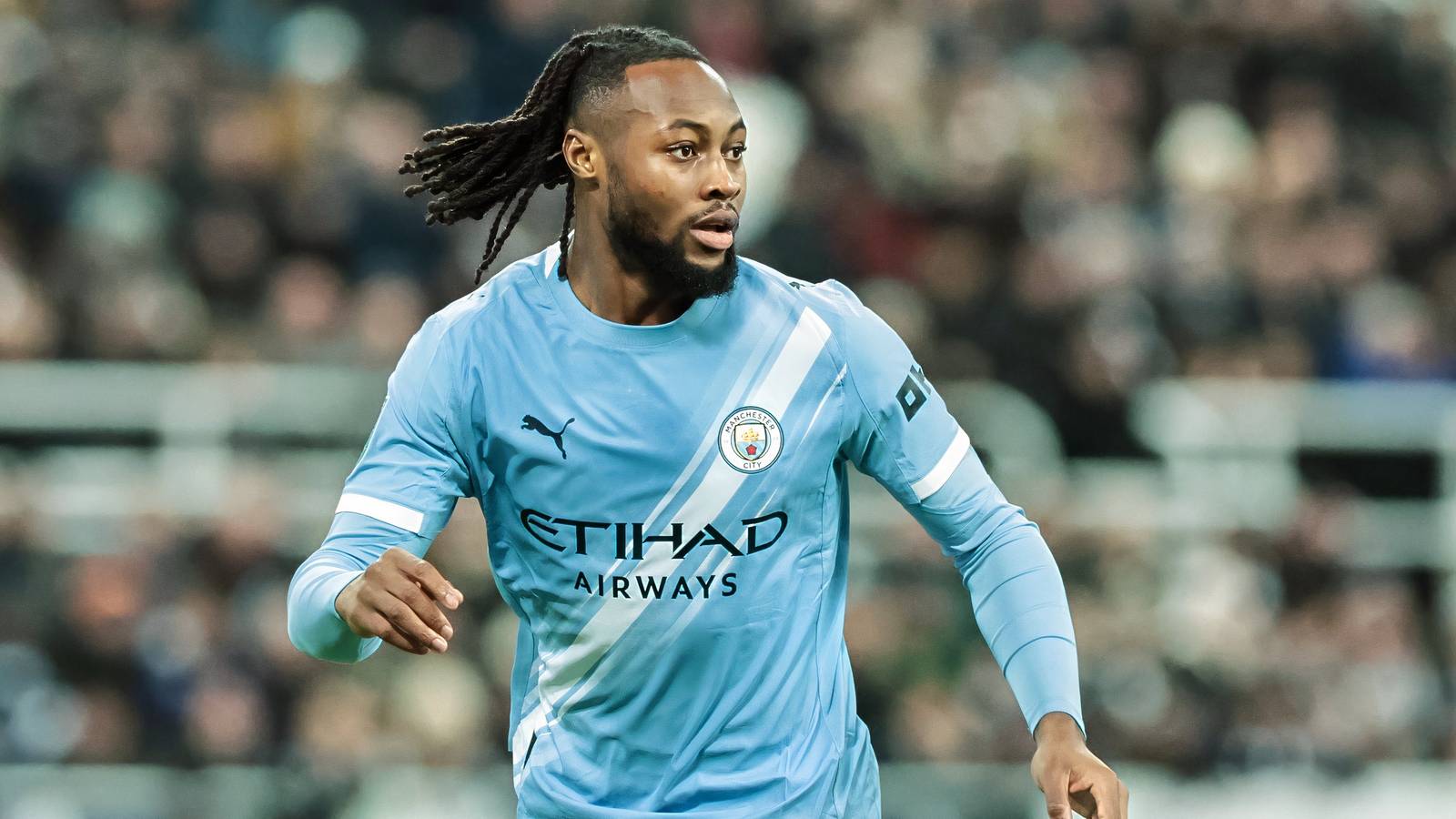
Antoine Semenyo is a Manchester City forward and a Ghana international who cost a reported £65 million — but at 15 he had quit football completely, turned away by every big London academy that looked at him, and convinced the game did not want him.
The boy who kept hearing no
Semenyo was born in London on 7 January 2000, and football was in the house from the start. His father Larry played for Okwawu United in the Ghana Premier League, alongside Leeds United cult hero Tony Yeboah, and had young Antoine kicking anything he could find — paper, a can, anything — with both feet. By the age of six, Semenyo could strike a ball cleanly off either side, the two-footedness that now terrifies Premier League full-backs.
None of it impressed the academies. He went on trial after trial — Millwall four times by his own count, Tottenham, Arsenal, Chelsea — and heard the same answer everywhere. Crystal Palace hurt most. He was there for around eight months, his trial was extended, and he believed he was about to be signed. Instead he was called into an office and released. He got into the car and cried, asking his dad why this kept happening.
So he stopped. For a year Semenyo played no football at all. He hung out with his friends, played basketball, put on weight and tried, in his own words, to be normal again. The story of one of the Premier League's most explosive forwards nearly ended before it had begun, as The Times detailed in its profile of his road back.
The open trial that changed everything
The way back came through family. An uncle heard about an open trial at Bishop's Stortford run by Dave Hockaday, the former Leeds manager turned college coach. Semenyo went along reluctantly, out of shape, and fell back in love with the game. He joined Hockaday's programme at South Gloucestershire and Stroud College, and that was where Bristol City's scouts finally saw what the London academies had missed.
Even then, nothing was handed to him. There were loan spells at Bath City in the National League South, at Newport County, and at Sunderland, where he barely played because the staff there did not think he was good enough. He returned to Bristol, broke through with his pace and power, and in January 2023 Bournemouth paid around £10 million to take him to the Premier League. Three years later, in January 2026, Manchester City paid a reported £65 million for him. Every club that rejected the teenager had, in the end, been answered.
Ghana was never a difficult decision
Born in London, Semenyo could have waited for England, and he was also eligible for France through his mother. He never hesitated. Ghana came calling when he was around 20, and he made his Black Stars debut in June 2022 against Madagascar.
"Ghana came at 20, 21? I can't turn down playing first team for Ghana, so it was such an easy decision," he told the In The Mixer podcast, in quotes reported by SportBible. "My dad was so happy, celebrating. He was like: 'Yeah, you didn't play for England!' Everyone in my family was so happy."
That family picture matters to him. Growing up, the whole household — parents, uncles, aunties, cousins — would gather in one house to watch Ghana at World Cups, shouting and celebrating together. Wearing the shirt himself, at a World Cup while still a Bristol City player, turned those nights into something he describes as surreal. Like Victor Osimhen in our earlier Off The Pitch profile, Semenyo's international choice was not a career calculation. It was home.
Faith first, football second
Ask Semenyo what carried him through the rejections and he gives the same answer every time: his faith. He describes himself as a man of God who prays day and night, and he has said plainly that when he was young it simply was not meant to be — and that now, it is.
That faith became public in the most visible way around the turn of the year, when he shared a video of his baptism in the sea off Bournemouth beach, in the final days before his move to City was completed. His social media profile describes him as "powered by Jesus", and his reflections on his breakthrough year were framed entirely as gratitude: "I thank you God for your protection, your blessings and your work over my life."
It is not a slogan. Semenyo himself links his resilience directly to that belief — the rejections, the year out, the loans where nobody picked him were, in his reading, preparation rather than punishment.
So what does his story mean now?
Semenyo is currently sidelined — as we reported last week, he faces around eight weeks out with a knee injury, with a return expected around December — and City must cope without the direct running that transformed their attack. But a player who survived being rejected by half of London, quit the game and rebuilt himself from a college pitch is unlikely to be defined by one injury lay-off.
His road matters beyond Manchester, too. Every season, thousands of teenagers are released by academies and told, in effect, that the judgement is final. Semenyo's career is the standing rebuttal: the judgement was final only on the boy he was at 15, not on the man his family, his faith and his own stubbornness made of him.
Beyond the Final Whistle: Semenyo is the Off The Pitch story this series was made for — not the medals, but the making. A father who played in Ghana teaching him to kick a can with both feet, a car ride home in tears, a year lost, an open trial he nearly did not attend. The £65 million footballer was built in the places no scout was watching, and that is exactly why he plays like a man who knows how close it all came to never happening.
Does Semenyo's journey change how you judge young players released by big academies?