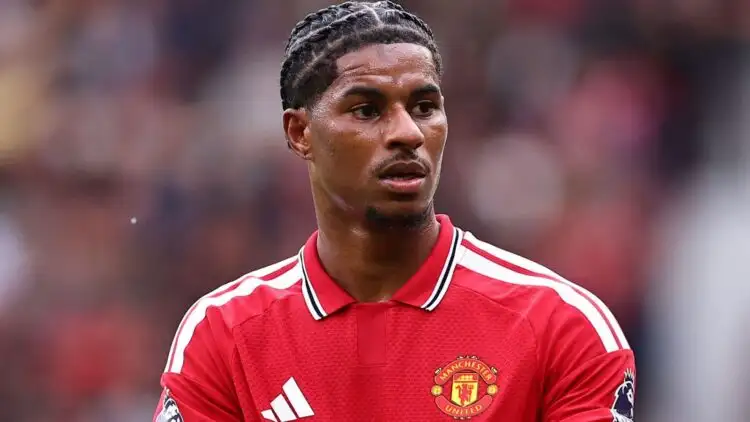
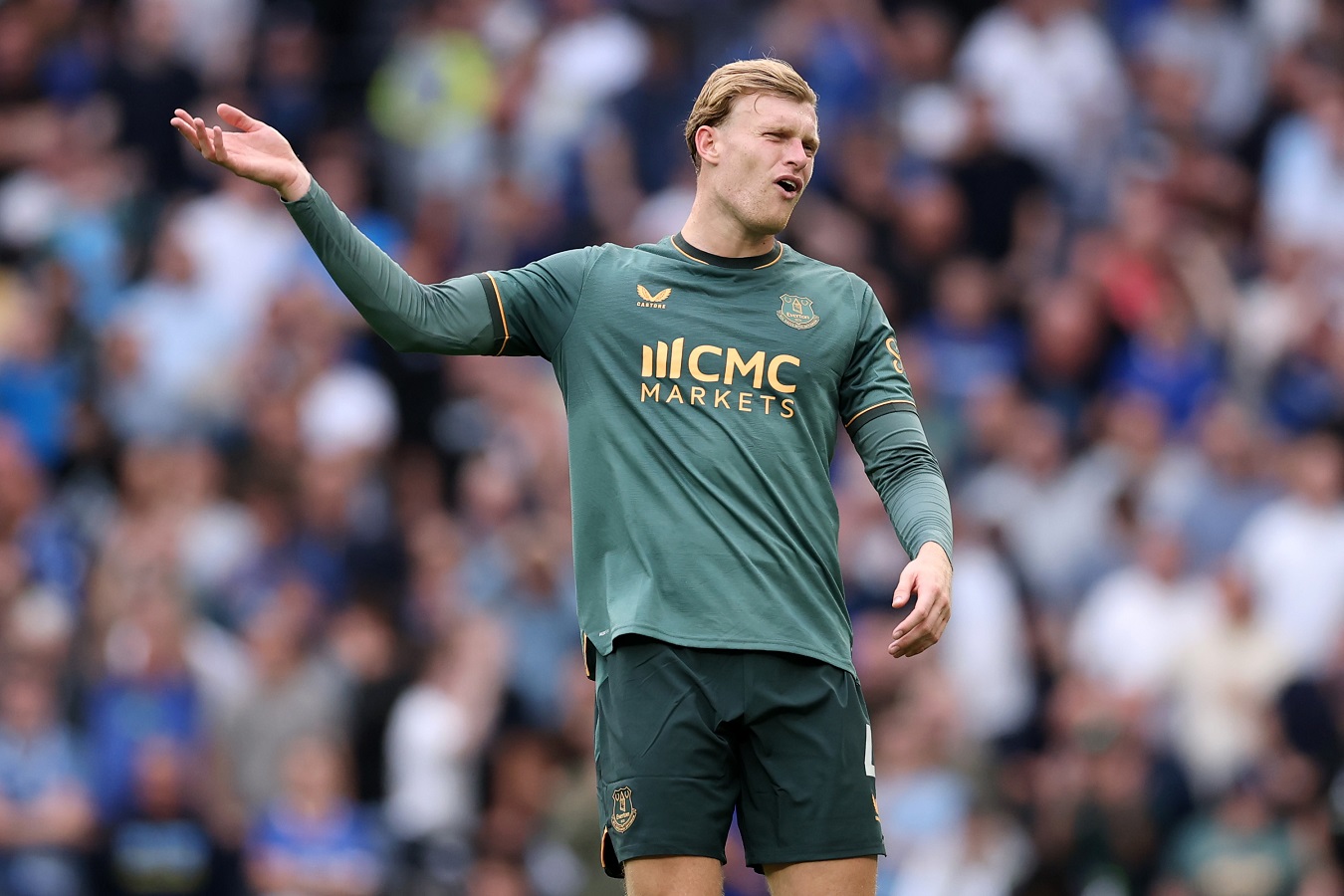
Bukayo Saka won the Socrates Award at the 2026 Ballon d'Or ceremony at the London Palladium on Monday night, honoured not for a goal or an assist but for humanitarian work that has funded life-changing operations for children in Nigeria and across Africa.
The Arsenal and England winger, 25, was presented with the award by Nigerian singer Burna Boy on a night when the biggest individual prizes in football were handed out in London. The Socrates Award, named after the legendary Brazilian midfielder and first presented in 2022, recognises the footballer judged to have carried out the best solidarity and humanitarian work in the game.
An award for work far from the pitch
Saka follows famous names. Senegal star Sadio Mane was the first winner in 2022, recognised for building a hospital and a school in his home village of Bambali, while Real Madrid's Vinicius Junior and Spain's Jenni Hermoso are also previous winners. The award is presented by France Football together with Peace and Sport.
At the heart of Saka's honour is his long partnership with BigShoe, the children's medical charity he began working with in 2022. That partnership has funded more than 120 surgical operations for children in Kano, Nigeria — the country of his parents' birth — treating conditions including hernias and brain tumours for families who could not otherwise have afforded the care.
Homes after the earthquake, and a letter from Rwanda
The work has reached well beyond Nigeria. After the devastating earthquake that struck Morocco and claimed almost 3,000 lives, Saka donated 50 container homes for families left homeless, and he also funded accommodation for families displaced by the earthquake in Turkey. Arsenal's own tribute noted that his projects with BigShoe and other charities have provided emergency housing and shelters in both countries, alongside the surgery programme in Africa.
The most moving moment of his acceptance came before he collected the trophy, when an emotional Saka read a message from Biringiro, a 14-year-old boy from Rwanda, whose eyesight was restored by an operation his charity work helped to fund. "It is an honour to be here on behalf of all children," Saka said. "We know what it means to be a child and to love playing football, so being able to give other children the same opportunity is truly special."
It was a busy London night for the game's young stars: earlier in the ceremony Lamine Yamal collected a third straight Kopa Trophy, while the confirmed rankings below the top places had already sparked debate through the day.
So what does it mean?
For Arsenal, the award underlines what Saka has become: not just the face of Mikel Arteta's team on the pitch, but one of the Premier League's most respected figures off it, using a platform built in north London to deliver medical care in Kano and homes in Morocco. It also continues a clear thread in this award's short history — African football and its diaspora setting the standard for what players do with their fame, from Mane's Bambali projects to Saka's work in his parents' homeland.
The one concern for Gunners fans on the night was physical rather than ceremonial: NBC Sports' live coverage noted Saka heading to the stage with a pronounced limp, reporting that he faces weeks out of the Arsenal line-up. Supporters will hope the next Saka headline is about a return date, not another spell on the sidelines.
Beyond the Final Whistle: trophies for goals are handed out every week, but this is the one award that measures what a footballer gives back. Saka did not wait until retirement, wealth or a testimonial to start — he began funding operations for children in Kano at 21, and at 25 he stands alongside Mane and Vinicius as the conscience of his generation. The Ballon d'Or got this one exactly right. Which current player do you think does the most good away from the pitch — and should more stars follow the Saka and Mane example?