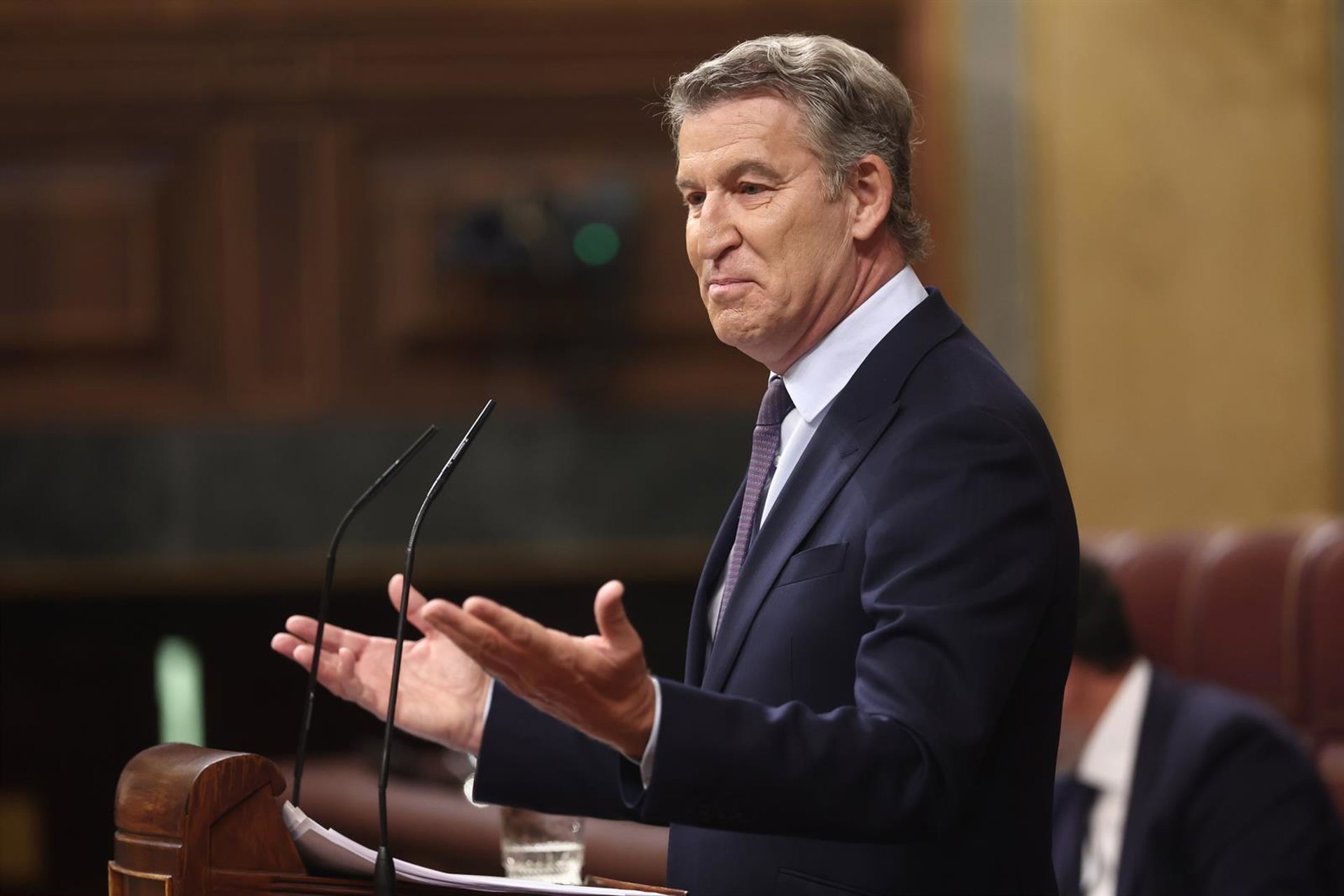
Spain's opposition leader Alberto Núñez Feijóo has said Spain should withdraw as a 2030 World Cup co-host if FIFA awards the final to Morocco — and Morocco has hit back, insisting it is ready to host the tournament alone if it comes to that.
The battle for the 2030 final has moved from the boardroom to the ballot box. Spain, Portugal and Morocco will jointly stage the centenary World Cup, but the biggest match of all is still unassigned — and with Spain going to a general election on November 29, the question of who hosts the final has become a campaign weapon.
Feijóo, leader of the People's Party, made his position plain on El Chiringuito on La Sexta. "Spain must organize the World Cup final. And if it does not organize it, in my opinion, Spain should not participate in organizing the World Cup," he said. Asked directly whether he would withdraw Spain if Morocco got the final, he replied: "Yes. The answer is yes." He would pursue that course if he becomes prime minister after the election. Stadium Astro's report of Feijóo's remarks sets out the exchange in full.
Morocco Refuses to Blink
Morocco's answer came on November 9 and it was not conciliatory. Ilham Belfhili, secretary general of the Moroccan Union for Democracy, said hosting the final is a FIFA sporting matter rather than a subject for partisan bidding, that a Spanish withdrawal "changes nothing", and that Morocco "possesses the means and readiness to host the World Cup successfully even if Portugal and Spain withdraw together" — a response captured in Yardbarker's report of the Moroccan reaction.
The Moroccan confidence is not new. Federation president Fouzi Lekjaa said in September that the final would be in Morocco — in Casablanca, at the planned Grand Stade Hassan II in Benslimane — "whether some people like it or not". Spain's counter-claim runs through the renovated Santiago Bernabéu, and prime minister Pedro Sánchez said on Cadena SER in September that he is working to bring the final to Spain. Spain coach Luis de la Fuente added his voice on Friday, stating publicly that the final should be in Spain. FIFA, for its part, told Reuters the venue will be decided "in due course", and announced on October 27 that it would inspect candidate cities and stadiums across the three host nations between November and December — the latest chapter in a hosting saga we have followed in our coverage of FIFA's World Cup files.
So What Does It Mean?
Strip away the election rhetoric and the stakes are real. A World Cup final in Casablanca would be the first on African soil since South Africa 2010 — and the first ever in North Africa — crowning two decades of Moroccan investment that has already delivered a World Cup semi-final run in 2022 and a pipeline of African talent we celebrate in stories like Nigeria's historic U-17 Women's World Cup triumph. For African football, a Casablanca final would be a statement that the continent no longer borrows the game's biggest stage — it owns a share of it.
Honesty demands the other half of the picture: an actual Spanish withdrawal remains unlikely. The penalties for abandoning a hosting agreement would be enormous, the rhetoric is aimed at voters three weeks out from an election, and FIFA's inspection process is still running. Africa Soccer's account of the escalating contest underlines how political the fight has become ahead of polling day.
Beyond the Final Whistle verdict: Feijóo's threat is election thunder, not a plan — but the noise itself tells the story. Morocco is no longer asking politely for the final; it is daring Spain to walk away, and that confidence is what a Casablanca final would mean for African football. FIFA should end the auction politics and decide on football grounds.
Where should the 2030 final be played — the Bernabéu or Casablanca? Have your say in the comments.