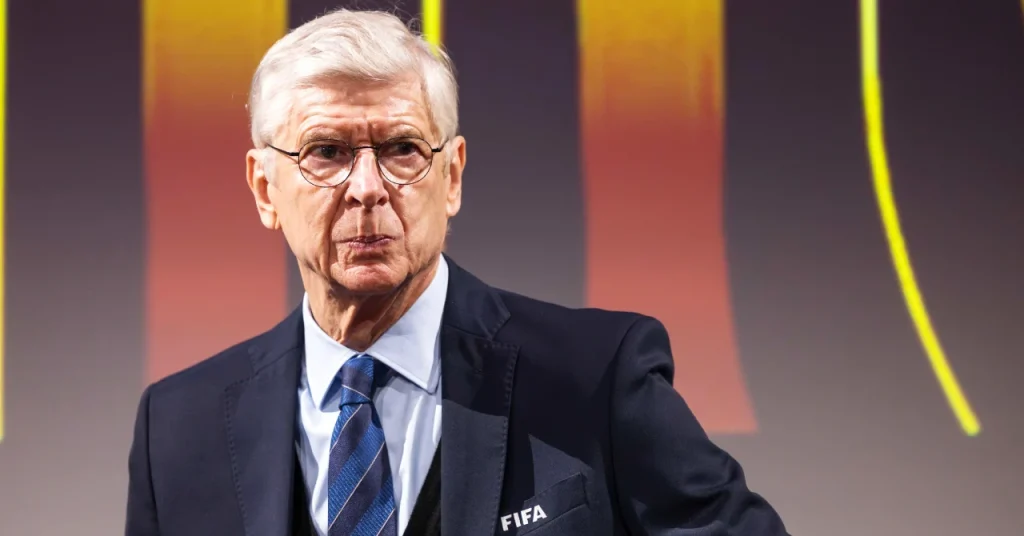
The race for the most powerful job in football has lost its biggest name before it even started: Arsene Wenger has told UEFA he will not stand against Gianni Infantino for the FIFA presidency.
Wenger, 77, had been considering a challenge only days ago, with UEFA ready to throw its weight behind the former Arsenal manager. That possibility is now closed. BBC Sport reports that Wenger has ruled himself out, and sources have told The Athletic that he has already informed UEFA he does not intend to contest the election ahead of the nominations deadline on Wednesday 18 November. The French newspaper L'Equipe first reported on Saturday that a run was unlikely.
The challenge that never was
UEFA had identified Wenger as one of the few figures in world football with the credibility to mount a serious challenge to Infantino, who has led FIFA since 2016 and wants a fourth term. According to The Sunday Times, senior FIFA officials met Wenger and urged him not to stand — and the man who appointed him has prevailed. Wenger has served as FIFA's chief of global football development since 2019, a year after ending his 22-year reign at Arsenal, where he won three Premier League titles and seven FA Cups. French president Emmanuel Macron also reportedly lobbied his compatriot to run, without success.
His current FIFA contract runs out at the end of the year, and the governing body is keen to extend his tenure in the development role — a detail that underlines how awkward a candidacy would have been. Wenger would have been campaigning against his own employer, and against the president who gave him the job.
The backdrop is the collapse of Infantino's plan to sell commercial stakes in the World Cup to private investors through FIFA Forward Enterprise. The scheme was abandoned after an enormous backlash, and UEFA's 42 questions about it remain a symbol of the rift between European football and Zurich. Wenger publicly distanced himself from the plan in August: "I was not involved in this strategic plan and first became aware of the project through media reports," he said, adding that withdrawing it was "absolutely necessary" because he believes in "an independent FIFA that serves our game with commitment, transparency and integrity."
A race short of runners
Wenger's withdrawal leaves the opposition field thin with days to spare. Candidates must secure the backing of at least five of FIFA's 211 member associations before Wednesday's deadline, ahead of the election on 18 March in Rabat, Morocco. Kozo Tashima, the Japanese FIFA Council member and honorary chairman of the Japan FA, has declared he will stand but has not yet secured the five endorsements he needs — he is, in his own camp's words, still fighting hard. Former Tottenham defender Ramon Vega was the first to put his name forward, back in October.
One influential figure among Infantino's opponents called Wenger's decision "a real shame", adding: "Even if not perfect, I do think he could have galvanized many around the world." UEFA still hopes to find another candidate before the deadline, but Infantino retains significant support in South America, Africa and Asia, and has insisted he has the backing of the "vast, vast majority" of world football, as The Sun reports.
What Wenger's silence hands Infantino
For African football, this matters more than most boardroom stories. Infantino's power base rests heavily on the support of African associations, and a credible challenger would have forced a real debate about what FIFA's money and tournaments deliver for the continent. Without Wenger, that debate may never happen in public. Infantino can now plan for a fourth term — and, under FIFA's term limits, a final one — with the World Cup sell-off saga fading behind him and no heavyweight left to make him answer for it.
Beyond the Final Whistle: Wenger was the one candidate who could have turned a coronation into a contest, and everyone in Zurich knows it. A man who spoke so powerfully about transparency and integrity has chosen the quiet life inside the house rather than a fight to reform it — and whether that is loyalty, realism or surrender, it leaves Infantino stronger than he has looked in months. Was Wenger right to walk away, or has football just lost its best chance of change at the top? Tell us in the comments.